
Myth: Clownfish Must Have Anemone Debunked Guide
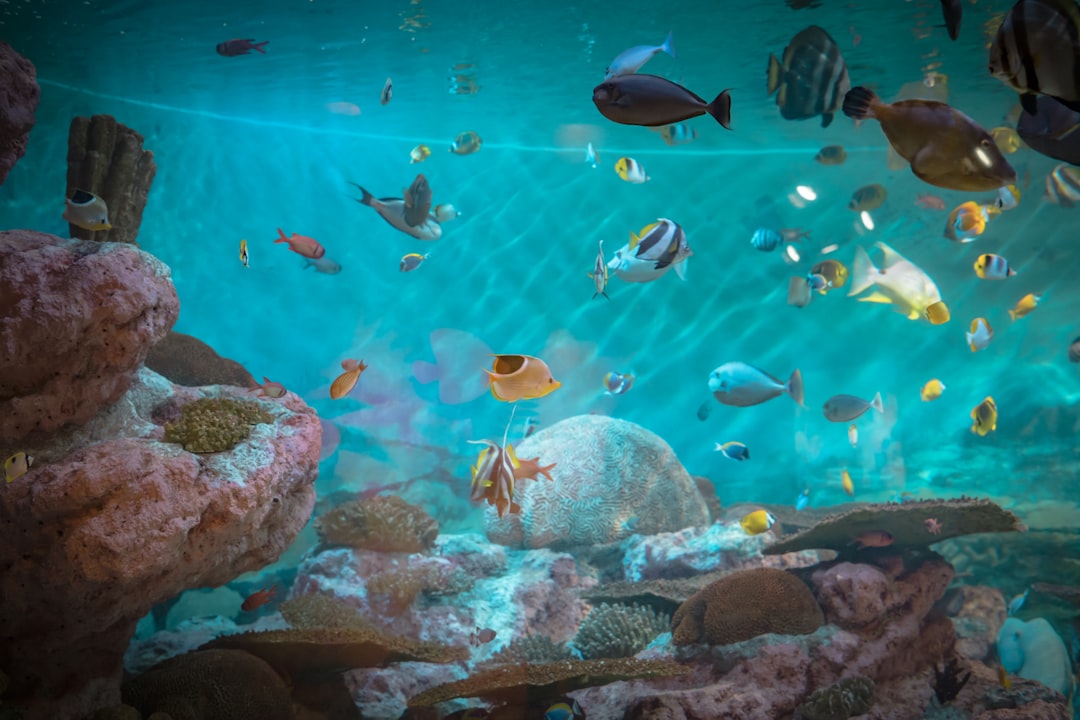
Finding Nemo did wonders for marine fishkeeping interest and lasting damage to clownfish welfare in the same breath. The myth clownfish must have anemone sends new reefers chasing one of the most demanding invertebrates in the hobby on day one, and the result is usually a dead anemone, a stressed clownfish, and a $600 lesson. This guide from Gensou Aquascaping at 5 Everton Park unpacks the actual biology of the clownfish-anemone relationship, what changes in captivity, and why the myth clownfish must have anemone creates more failure than any other marine misconception. Captive-bred clowns are perfectly happy without one.
The Myth in Plain Terms
The story claims clownfish (Amphiprion spp.) physiologically depend on a host anemone — for protection, for slime coat conditioning, for breeding cues, even for survival. The implication is that buying a clownfish without simultaneously providing an anemone (typically bubble tip, magnificent, or carpet) constitutes neglect. New marine hobbyists rush to add an anemone to a freshly cycled tank that is nowhere near ready for it.
Why the Myth Spreads
The relationship is real in the wild — clownfish and certain anemones evolved a genuine mutualism over millions of years. Documentaries lean on the dramatic visual, Disney crystallised it for a generation, and shop staff selling both items together close higher-value sales. The conflation of “they associate in the wild” with “they require each other always” is the leap that creates the myth.
The Reality of Captive Clownfish Behaviour
Captive-bred clownfish (which is essentially all clowns sold legitimately in Singapore — wild-caught marine ornamentals are largely off the table) have been hatched, raised, paired and bred without ever encountering an anemone. They host on whatever they fixate on: a powerhead, a frogspawn coral, a pump intake, a torch coral, or simply a corner of the tank. A pair of percula clowns in a plain 100 L reef will live 10-15 years, pair-bond, and spawn monthly without seeing an anemone in their lifetime.
The Evidence on Anemone Difficulty
Anemones are among the hardest invertebrates in marine keeping. Bubble tip anemones (Entacmaea quadricolor) need stable salinity (1.025-1.026), temperature within 1°C, mature lighting at 200-400 PAR, low nitrate (under 5 ppm), and a tank cycled for at least six months — usually a year. They wander into powerheads and shred themselves, they release toxins when dying that crash the entire tank, and they require active feeding of mysis or silversides every few days.
What to Do Instead
Set up the reef tank for the clownfish first, and consider the anemone as an upgrade after the system has matured for 12-18 months. A pair of captive-bred ocellaris or percula in a 75-100 L nano reef with live rock, a quality marine salt mix, and good flow will thrive without a host. They will pick a host coral instead — a hammer or torch coral often works — or simply patrol the open water. Stock from the marine fish range after proper cycling.
The Hidden Cost of Anemones in Immature Tanks
The biggest welfare problem the myth creates is dead anemones. A bubble tip placed into a three-month-old tank typically melts within six to eight weeks. The dying anemone releases nematocyst toxins and decomposing tissue that spike ammonia, kill corals, and stress the very clownfish the keeper was trying to host. Net result: keeper buys another anemone, and another, until they have spent $400-600 on dead invertebrates the clownfish never needed.
Edge Cases Worth Mentioning
Wild-caught clownfish sometimes do show stronger host-seeking behaviour and may benefit from an anemone in a mature system, but wild-caught marines are increasingly difficult to source ethically and most LFS in Singapore stock captive-bred. Maroon clownfish (Premnas biaculeatus) are notoriously aggressive and benefit from an anemone to channel territoriality, but their behaviour is unpredictable regardless. For ocellaris and percula — the species most beginners actually buy — the anemone is genuinely optional.
Singapore Angle
Captive-bred ocellaris in Singapore run SGD 25-45 per fish at marine specialists like Iwarna and ANS. A bubble tip anemone runs SGD 80-150 and requires equipment investment that doubles tank cost. Buy the clowns, mature the tank, then evaluate the anemone question after a year. The marine care range covers salt mixes and supplements for the long-term setup.
Related Reading



