
Asian Glass Perch Parambassis Ranga Care Guide: Indian Glassfish
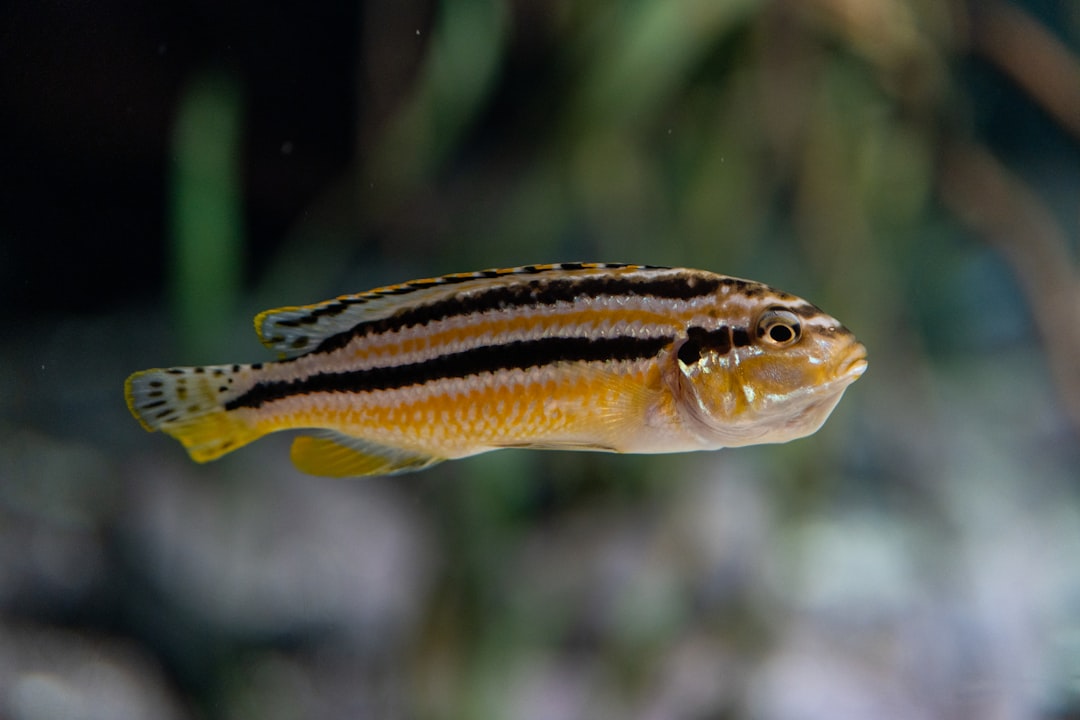
Few aquarium fish look as alien as a school of glass perch under tank lighting — the body wall is so transparent you can see the spine, swim bladder and internal organs as clean silhouettes. Asian glass perch parambassis ranga is a 5-7 cm Indian and SE Asian species with brackish tolerance and a true bony-fish appearance unlike any catfish or characin. The asian glass perch parambassis shoals in groups of six or more and spawns readily in slightly hard, slightly brackish water. This guide from Gensou Aquascaping at 5 Everton Park covers the husbandry essentials and warns against the dyed “painted glass” trade.
Origin and Habitat
Range covers India, Bangladesh, Nepal, Myanmar and parts of Thailand, with populations in slow-flowing rivers, ponds, and brackish estuarine margins. Water parameters in the wild span pH 7.0-8.5, GH 8-15, and temperatures 20-30°C — a remarkably wide tolerance window that translates to good aquarium hardiness.
Tank Size
A school of six to eight needs 90 litres minimum. Larger groups of 10-12 in 120-150 litres display best schooling and spawning behaviour. Length matters — 80-100 cm tank length suits the active midwater swimming style.
Aquascape
Build around fine sand or fine gravel, driftwood, and tolerant brackish-friendly plants such as Java fern, Anubias, and Vallisneria. Avoid soft acidic blackwater plants — most will not tolerate the slightly hard, slightly alkaline water this species prefers. Open swimming space matters as much as cover.
Water Parameters
Target pH 7.0-8.0, GH 6-15, KH 4-10, temperature 24-28°C. Optional brackish addition of 1-3 grams per litre marine salt encourages best colouration and disease resistance, especially for wild imports adapted to estuarine conditions. Singapore PUB tap modified with a small dose of crushed coral or aragonite suits the species directly.
Filtration
Moderate flow. A small to medium canister or HOB filter on a 90-120 litre tank handles waste cleanly. The aquarium filtration range includes appropriate options. Brackish setups need salt-tolerant equipment and substrate.
Feeding
Carnivorous-leaning. Live blackworm, frozen bloodworm, frozen mysis, frozen brine, and quality carnivore pellet form the staple. Many wild glass perch refuse dry food initially and need a slow conversion using mixed live and frozen offerings. The community fish food range includes appropriate carnivore options.
Behaviour
Schooling but with semi-aggressive male display behaviour during spawning periods. Males develop a bright yellow-edged dorsal during breeding readiness and chase rivals. Mixed-sex groups of 8+ in well-planted tanks self-regulate without serious aggression.
Tank Mates
Compatible with brackish-tolerant tetras, livebearers (mollies, guppies in lightly brackish setups), Bumblebee gobies, and peaceful larger barbs. Avoid combining with strict freshwater soft-water species. Wild bettas, blackwater rasboras and cichlids from soft acidic water are all incompatible.
Breeding
Egg-scatterers spawning over fine-leaved plants. Conditioned pairs in slightly raised temperature with a fine spawning mop produce 50-200 eggs per spawn. Adults will eat eggs but spawning is frequent enough that many fry survive in well-planted tanks. Fry are tiny and need infusoria for the first week.
The Painted Glass Fish Problem
Glass perch are routinely dyed by injection with fluorescent pigments and sold as “painted” or “disco” glass fish in mass-market shops. The dyeing process is invasive and shortens lifespan dramatically. Refuse to buy painted stock — the practice continues only because of demand. Natural unpainted glass perch are inherently beautiful and last 4-5 years in good conditions.
Singapore Sourcing and PUB Tap Suitability
Natural unpainted Parambassis ranga is widely available at Polyart, Iwarna and most general aquarium shops at SGD 2-5 per fish — buy in groups of six minimum. Set the school up in a 90-120cm tank from the aquarium tank range with appropriate brackish-tolerant equipment. Singapore PUB tap is soft, but a small modification with crushed coral or aragonite substrate brings parameters into the glass perch sweet spot easily. The species’ wide parameter tolerance and disease resistance make them genuinely beginner-friendly once buyers learn to refuse the dyed variants — pair them with brackish guppies and bumblebee gobies for a low-end brackish display tank.
Related Reading



