Wild Caught vs Tank Bred Decision Guide: Hardiness Ethics Cost
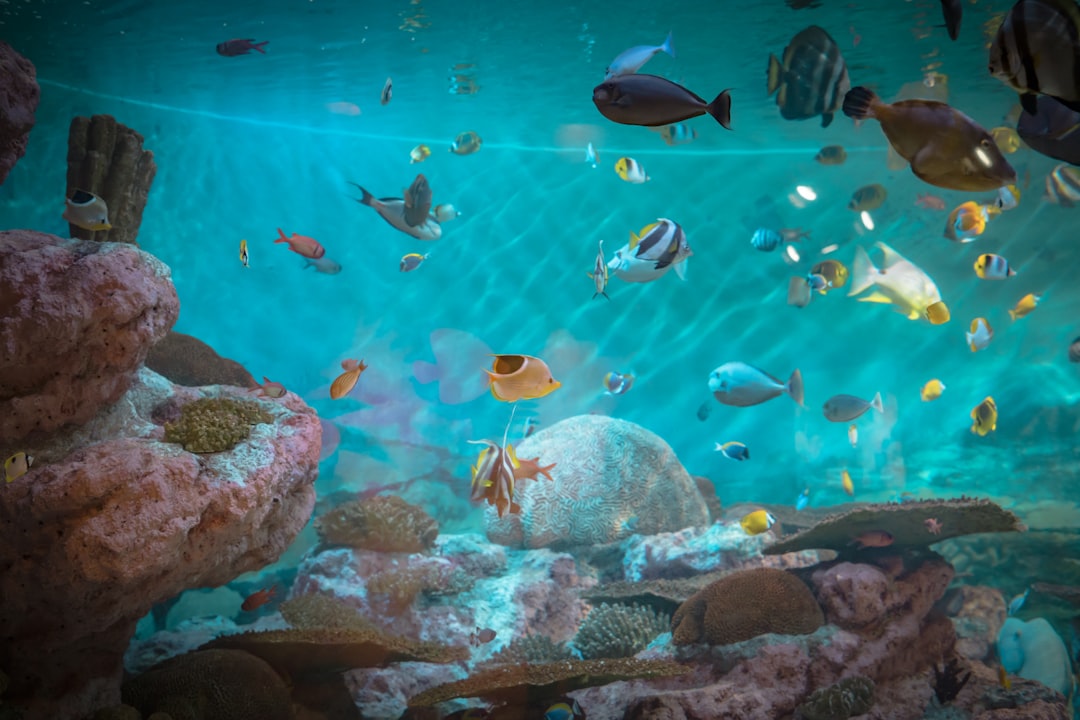
Walk into Iwarna on a Wednesday import morning and you will see two tubs of the same species side by side — one captive-bred at SGD 4 a piece, the other freshly arrived wild stock at SGD 18. The choice between wild caught vs tank bred fish is rarely just about price. It is a decision about parasites, genetic diversity, ethics, and how much patience you have for fragile animals. This guide from Gensou Aquascaping at 5 Everton Park lays out the trade-offs honestly so you can choose without illusions.
The Hardiness Myth
Wild fish are not automatically tougher. They carry deeper genetic diversity, yes, but they have spent their entire life in soft, tannin-rich water at stable temperatures. Drop them into PUB tap with a different mineral profile and they suffer. Captive-bred fish, especially those reared in Singapore farms, are pre-adapted to hard, treated water and respond to standard pellet diets. For most beginners, captive-bred wins on survivability.
Parasite and Disease Load
Wild-caught stock arrives with the full microbial complement of its native habitat — gill flukes, internal nematodes, hexamita, and occasionally piscine TB. Reputable importers run praziquantel and metronidazole baths, but the burden never drops to zero. Captive-bred fish from biosecure facilities carry far less. If you are running a multi-species community, a single wild import can wipe out months of careful curation.
The Ethics Question
Wild collection ranges from sustainable to catastrophic depending on the country and species. Brazilian cardinal tetra fisheries support entire Amazonian villages and are arguably good for the rainforest. By contrast, Indonesian wild betta collection often strips small forest streams to depletion within a season. CITES restrictions cover obvious flagship species — arowana, freshwater stingray — but most ornamentals operate under voluntary codes. When in doubt, ask the importer.
Genetic Quality and Colour
Wild fish often display stronger natural colour than captive lines, which can be inbred or selectively dulled. The deep copper of a wild harlequin rasbora outshines its farmed cousin under tannin-stained light. For breeders chasing F1 outcrosses, wild stock is genetic gold. For display aquarists, the difference may be modest once both fish are fed properly and housed in matched water.
Cost in Singapore
Captive-bred regional species run SGD 1.50-8 each. Wild-caught equivalents at the same shops carry a 3-5x premium — SGD 15-40 for common rasboras, SGD 80-200 for rarer wild bettas, SGD 300-1500 for premium wild channas. Add quarantine cost, higher mortality rate, and specialised feeding (most wild fish refuse pellets initially), and the true cost gap widens further.
Acclimation and Quarantine Demands
Wild stock requires a minimum 30-day quarantine in soft, slightly acidic water with prophylactic praziquantel. Drip-acclimate over two hours, not the standard 30 minutes. Plan a dedicated quarantine tank and stock from the filter media range. Captive-bred fish from licensed farms still benefit from a 14-day quarantine but tolerate faster acclimation.
Feeding Wild Specimens
Most wild fish refuse dry food initially. Plan on frozen mysis, bloodworm, brine shrimp and live blackworm for the first month. Transition gradually by mixing pellets into frozen feedings. The foods range stocks frozen options. Wild bettas and channas often hold out longest — some never accept pellets and you accept a permanent live-frozen feeding regime.
The Singapore Conscience Question
Singapore hobbyists sit at a crossroads of trade routes — Indonesian, Thai, and South American imports converge here weekly. Buying habits matter. Choose captive-bred when the species is reliably available that way (most rasboras, tetras, common bettas). Choose wild only when no captive line exists, the source is reputable, and you have the husbandry experience to honour the animal. Ask shop staff about origin and demand traceability.
When Wild Is the Right Call
Some species genuinely have no captive trade — certain wild channa morphs, rare loaches, several blackwater tetras. If your heart is set on these, work with importers who quarantine properly, budget for losses, and run blackwater setups with ANS Catappa Leaves Small to mimic native chemistry. Treat each fish as a stewardship project, not a livestock purchase.
Related Reading