
Wild Betta Breeding Protocol Mouthbrooder vs Bubble Nest Guide
The wild betta complex splits into two distinct reproductive strategies, and confusing them is the fastest way to lose a clutch. Mouthbrooders carry eggs and fry in the male’s buccal cavity for one to two weeks; bubble-nesters build a foam raft at the surface and the male defends the eggs externally. Wild betta breeding mouthbrooder protocols differ fundamentally from bubble-nest protocols in tank setup, female removal timing, fry release management and feeding schedule. This guide from Gensou Aquascaping at 5 Everton Park lays out both side by side so wild-betta keepers can match their husbandry to the species in front of them.
Identifying Your Reproductive Strategy
Mouthbrooders include Betta pugnax, B. macrostoma, B. albimarginata, B. foerschi, B. mahachai and others. Bubble-nesters include B. splendens, B. coccina, B. rutilans, B. uberis, B. persephone and B. stigmosa. Check the species before setting up — the protocols are not interchangeable.
Tank Setup for Both
A 30-40 litre species tank with a tight lid, sponge filter on lowest flow, dim lighting, dense floating plant cover, and at least three caves or hides built from driftwood and substrate. Use Indian almond leaves to drop pH and provide tannin staining. The aquarium tank range covers small breeding-tank sizes.
Water Parameters
Soft acidic blackwater triggers spawning in most wild bettas — pH 5.0-6.0, GH 1-3, KH 0-1, 26-28°C. Run a 25 per cent water change with cooler RODI-blackwater mix to mimic the rainfall trigger that initiates wild spawning. Browse the aquarium pump range for filter sizing.
Conditioning the Pair
Two weeks of heavy live-food conditioning before introducing the pair. Live blackworm, daphnia, mosquito larvae and brine shrimp drive female egg development and male body condition. Browse the fish food range for high-protein options. Keep male and female separate during conditioning, ideally in adjacent tanks where they can see each other through glass.
Bubble-Nest Protocol
Introduce the female to the male’s tank. The male builds a bubble nest under floating plants over 24-48 hours. Spawning involves the male wrapping the female in an embrace beneath the nest, fertilising eggs as she releases them. The male collects falling eggs in his mouth and spits them into the nest. Remove the female immediately after spawning — males defend the nest aggressively and will kill her if she lingers. The male tends the eggs for 36-72 hours until fry are free-swimming, then remove him too.
Mouthbrooder Protocol
The pair courts more elaborately, often over several days, with the female nudging the male’s flank to signal readiness. After embrace and egg release, the female collects eggs in her mouth and transfers them to the male’s mouth — the male then holds the developing eggs and fry for 7-14 days depending on species. Do not feed the male during this period; he will not eat anyway, and excess food fouls the water. Remove the female after the transfer is complete.
Mouthbrooder Release
The male releases free-swimming fry typically at 7-14 days. Watch the male’s buccal cavity — when it deflates and small fry appear at his mouth, separate him from the brood within 24-48 hours. Some males re-collect fry under stress; others ignore them entirely. Remove him before the parental investment switches off.
Fry Feeding
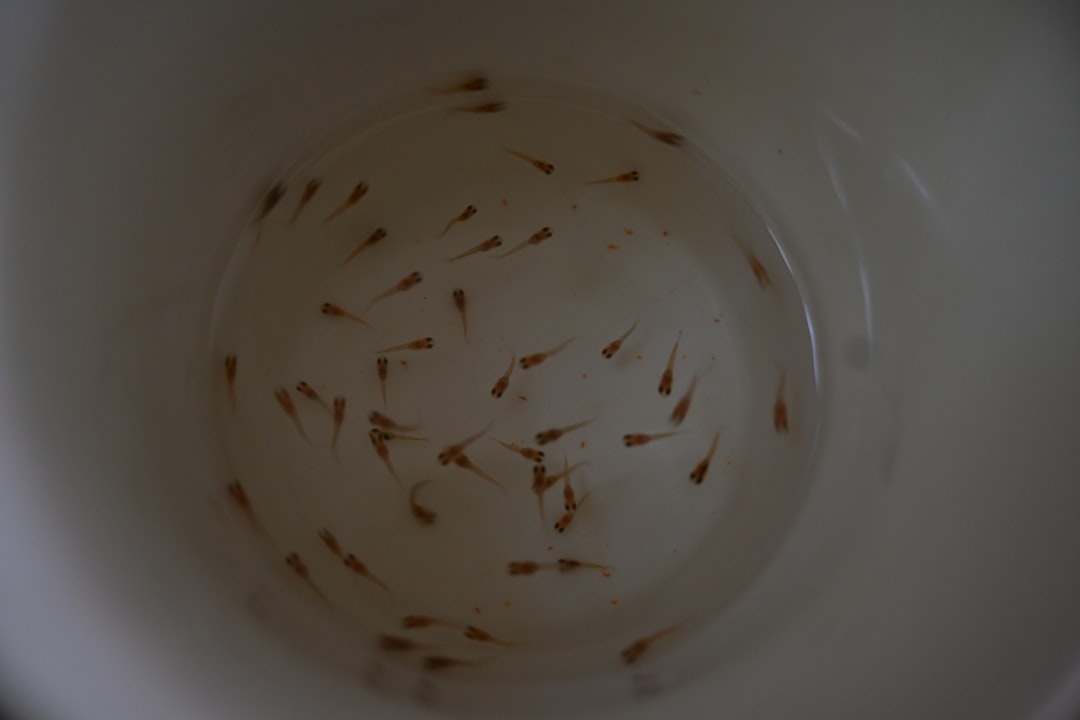
Newly free-swimming bubble-nest fry are tiny and need infusoria or commercial liquid fry food for the first 5-7 days, then graduate to baby brine shrimp. Mouthbrooder fry emerge larger and can take baby brine shrimp from day one. Both groups need feeding 3-4 times daily for the first month and consistent water changes (10 per cent daily) to support growth.
Common Failures
Bubble-nest spawners often fail because the female is not removed in time and gets killed, or because surface flow from the filter destroys the nest before fry develop. Mouthbrooders fail when the male is stressed and spits eggs prematurely, or when tank mates harass the holding male into swallowing the brood.
Sourcing in Singapore
Wild bettas come through Iwarna and dedicated Carousell breeders at SGD 25-200 per pair depending on species rarity. Source from breeders willing to share pair-bonding history rather than random imports — established pairs spawn faster and more reliably.
Related Reading



