
Blackwater Aquarium Chemistry Tannin Management Guide: pH Soft
Blackwater is not just tea-coloured water — it is a specific chemistry profile defined by extreme softness, acidity, dissolved organic compounds and almost zero buffering capacity. Blackwater aquarium chemistry done right keeps wild discus breeding, peat-swamp bettas spawning and licorice gouramis displaying full colour, but done wrong it crashes pH overnight and kills entire stockings. This guide from Gensou Aquascaping at 5 Everton Park covers the tannin sources, the pH-KH relationship that makes blackwater fragile, and the target parameters for SE Asian and Amazon biotopes.
What Defines Blackwater
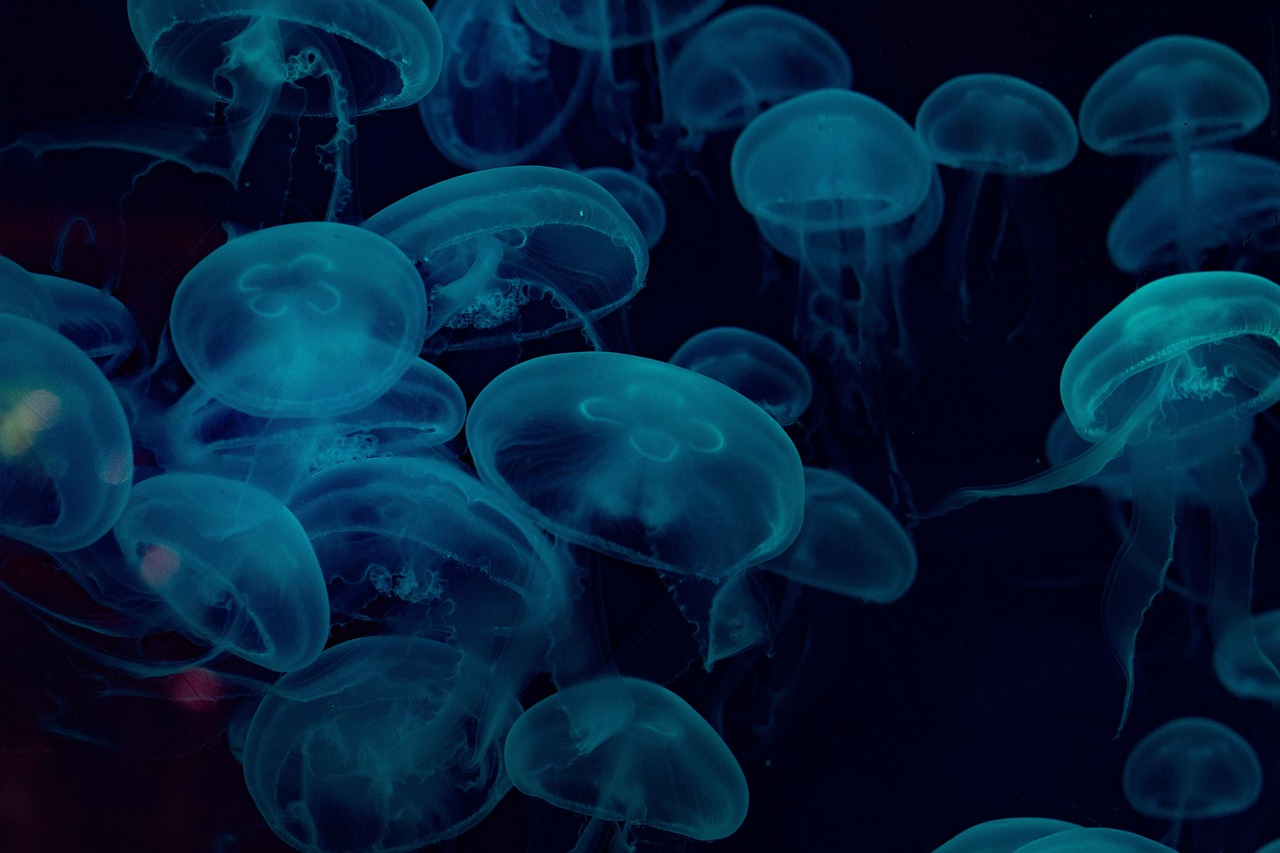
True blackwater carries dissolved humic and fulvic acids leached from decomposing plant matter — leaves, wood, peat moss and forest litter. The colour ranges from pale tea (light tannin loading) through deep amber to nearly opaque cola in Rio Negro main-channel water. Chemistry typically reads pH 4.5-6.0, GH 0-3, KH 0-1, and TDS 20-80 — far below standard tropical community parameters.
Primary Tannin Sources
Indian almond catappa leaves are the workhorse — affordable, locally available, and they release tannins consistently for two to three weeks before breaking down. Browse the decoration and substrate range for catappa products. Alder cones release tannins in concentrated bursts; small amounts go a long way. Peat moss in canister filter media provides slow continuous tannin release plus mild buffering against pH swings. Sumatran and Malaysian driftwood release tannins for months after submergence.
The pH-KH Relationship
This is the chemistry blackwater keepers must understand. KH (carbonate hardness) is the buffer that resists pH change. In blackwater systems with KH near zero, pH is unstable — biological waste produces carbonic acid and the pH drops with no buffer to absorb it. A KH of 0 means a tank running pH 5.5 can crash to pH 4.0 overnight if biological load spikes, killing everything.
Target Parameters by Region
SE Asian peat swamps (Borneo, Sumatra wild bettas, licorice gouramis): pH 4.5-5.5, GH 1-3, KH 0-1. South American blackwater (wild discus, Heckels, cardinal tetras): pH 4.5-6.0, GH 0-2, KH 0-1. Amazon main channel (browns, scalares, corydoras): pH 5.5-6.5, GH 1-3, KH 0-2. Match the source habitat — generic “blackwater” is not a single chemistry.
Browning Levels
Light tea suits Amazon main-channel and most community soft-water tanks at moderate tannin loading. Medium amber matches deeper Amazon tributaries and Sumatran peat-pool environments. Dark cola — almost opaque — replicates Rio Negro and Bornean peat-swamp interior water and requires careful livestock matching since most fish struggle with such dim conditions.
Building the Chemistry from PUB Tap
Singapore tap water sits at GH 2-4, KH 1-2, pH 6.8-7.2. To reach blackwater targets, dilute with RODI to drop GH and KH, then add tannin sources to drop pH. A 50/50 RODI-to-tap mix typically lands GH 1-2 KH 0-1, ready for tannin loading. Pure RODI is the base for the most extreme builds.
Stabilising Without Buffer
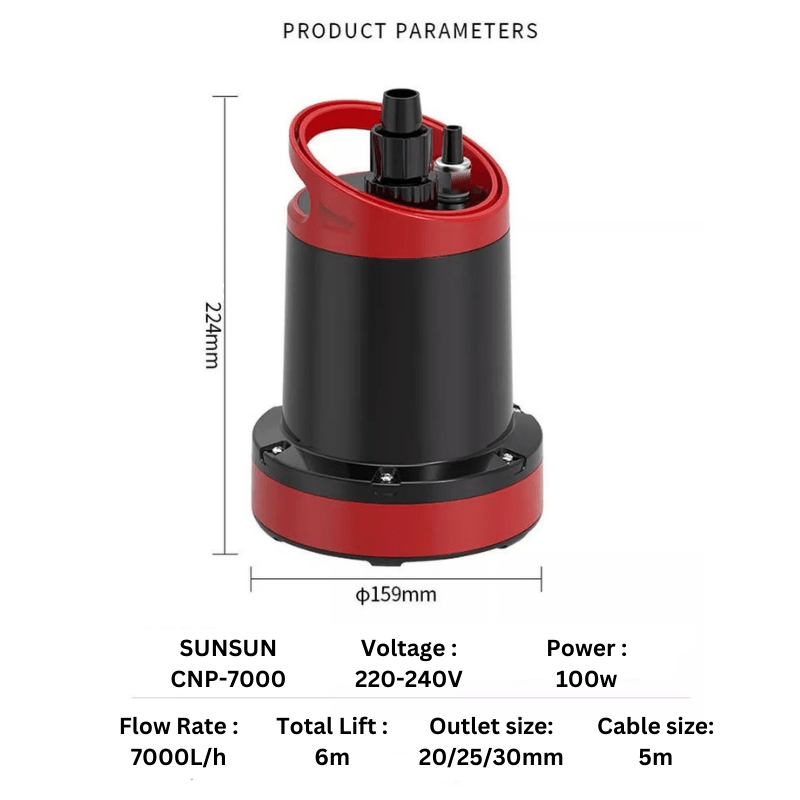
The trick to blackwater stability is biological control. Light stocking, generous filtration through the aquarium pump range, restrained feeding and weekly 25-30 per cent water changes prevent the acid buildup that crashes pH. A blackwater tank cannot carry the bioload of a community freshwater system.
Testing
Standard low-range pH test kits become unreliable below pH 6.0 — invest in a digital pH probe calibrated monthly. KH tests work at zero (no colour change before target drops) but confirm with a meter when buffering matters. TDS meters give a quick health check on overall mineral content.
Common Failures
The two most frequent disasters: overstocking a blackwater tank because the fish look small (bioload still pulls pH down), and stopping water changes because tannins look “stable” (organic load builds and crashes pH). Maintain weekly water changes religiously.
Local Sourcing
Catappa leaves, alder cones, peat moss and driftwood are all stocked at Gensou. Browse the fish food range for blackwater-suited live food options. PUB tap water plus quality conditioner provides the base; RODI cartridges from local marine shops handle the dilution.
Related Reading



