
Wild Channa Pair Bonding Breeding Protocol Guide: Cave to Fry
Dwarf snakeheads form some of the most striking pair bonds in freshwater aquaria — a male and female that live, hunt and raise fry together for years. Wild channa pair bonding breeding works only when the bond is established in juvenile stage, when the chemistry between two specific fish develops over months rather than being forced through pairing of strangers. This protocol guide from Gensou Aquascaping at 5 Everton Park covers the bond-formation timeline, the cave setup, the spawning sequence and the biparental fry care that defines successful Channa breeding.
Pair Bond Formation
The standard approach is to buy a group of six to eight juveniles at 5-7cm and grow them out together in a 200-litre species tank. Over four to eight months, dominant individuals emerge and one male-female pair forms a recognisable bond — they hunt together, rest near each other and tolerate proximity in ways the others do not. Remove the unpaired fish to a separate grow-out tank once the bond is clear; otherwise harassment escalates as territorial behaviour intensifies.
Tank Setup for the Pair
A 120-150 litre species tank for the bonded pair, with low flow, dim lighting and a tight lid (Channa are accomplished jumpers). Use the aquarium tank range for long-profile shapes. Water parameters: pH 6.0-7.0, GH 4-8, KH 2-4, 26-28°C for most dwarf species — confirm the specific Channa’s native chemistry before setting up.
Cave Preparation
The pair selects a cave for spawning — typically a cocoon-style structure built from driftwood, slate or terracotta. Build two or three cave options from the decoration and substrate range; the pair chooses one and defends it as the nursery. Caves should be wide enough for both adults to enter together and dark enough to feel secure.
Conditioning the Pair
Heavy feeding for two to three weeks before initiating spawning conditions. Live or frozen prawn, fish fillet, earthworm and tilapia chunks build the female’s egg load and male’s body condition. Browse the fish food range for protein-heavy supplements. Avoid feeder goldfish — they carry parasites and disease risk.
Spawning Trigger
Cooler water-change events mimicking monsoon rainfall trigger spawning. Drop tank temperature 2-3°C overnight by replacing 30 per cent water with cooler RODI-mineralised mix. Repeat over three to five days. The pair becomes more visibly affiliated, defending the cave area together against tank reflections and shadows.
Spawning Sequence
Spawning occurs at dawn or in dim light. The pair embraces near the cave, releasing 30-50 eggs that drift downward — both adults guide them into the cave with mouth and fin movements. Some species build foam-nest rafts at the surface; others guard egg clusters on the substrate within the cave. Egg colour varies from pale amber to translucent white depending on species.
Biparental Fry Care
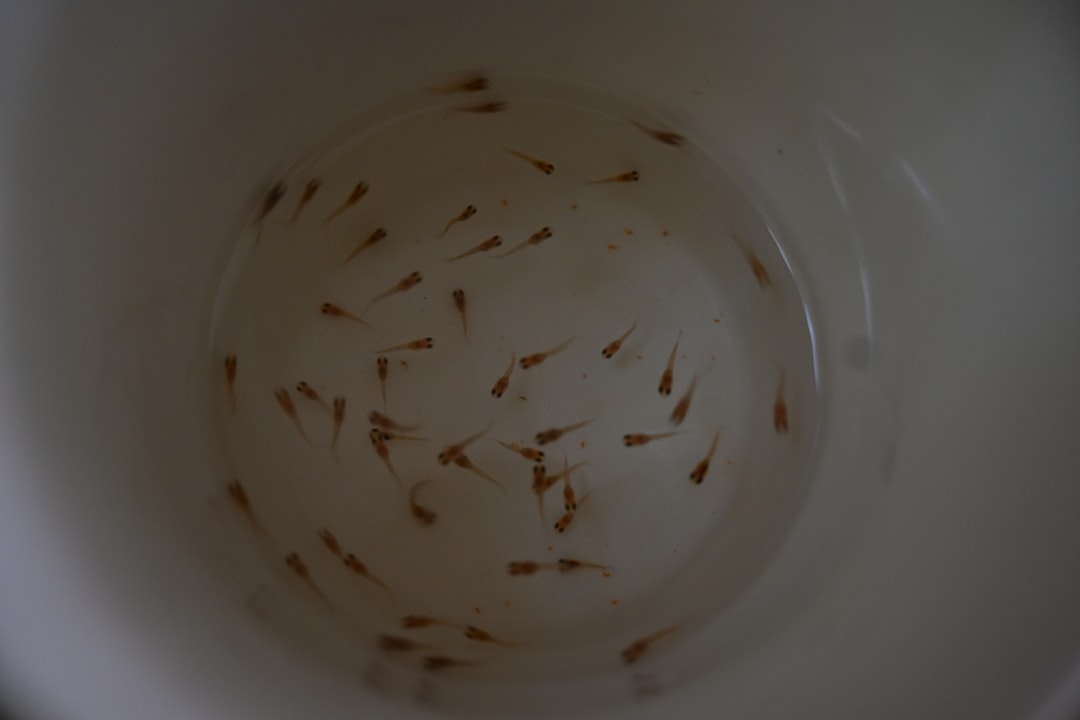
Both parents guard the eggs, fanning them to prevent fungal growth. Eggs hatch in 36-72 hours; wrigglers absorb yolk sacs over the next four to seven days before becoming free-swimming. Once mobile, the fry stay in a tight cloud near the parents, who lead them around the tank to feed. The biparental defence period lasts 4-8 weeks for most dwarf Channa.
Fry Feeding
Newly free-swimming fry take baby brine shrimp from day one — adults are too large to eat baby brine, so the food is unmistakably for the offspring. After two weeks, supplement with crushed sinking pellet, microworm and finely chopped tubifex. The fish food range covers options at varying particle sizes for growing fry.
Separating the Fry
At 2-3cm body length, separate fry from parents into a grow-out tank. Adult Channa become aggressive toward maturing offspring, and cannibalism risk rises sharply once the parental hormone window closes. Use a 100-litre bare-bottom grow-out with sponge filtration and matched water chemistry. Browse the aquarium pump range for grow-out filtration.
Common Failures
Forced pairing of unbonded adults almost always ends in fatal aggression toward the female. Skipping the juvenile grow-out stage is the most expensive lesson in dwarf snakehead breeding. The second-most common failure is over-feeding the parents during fry care — they often refuse food and excess fouls the water at a critical period.
Singapore Sourcing
Iwarna and a network of dedicated dwarf-channa breeders on Carousell sell juvenile groups for grow-out at SGD 25-80 per fish depending on species. Buying eight juveniles to grow out one bonded pair is the realistic budget — surplus fish find homes via the same Carousell network once the pair forms.
Related Reading



