
Aquarium Autism Sensory Benefit Guide: Predictable Visual Calm
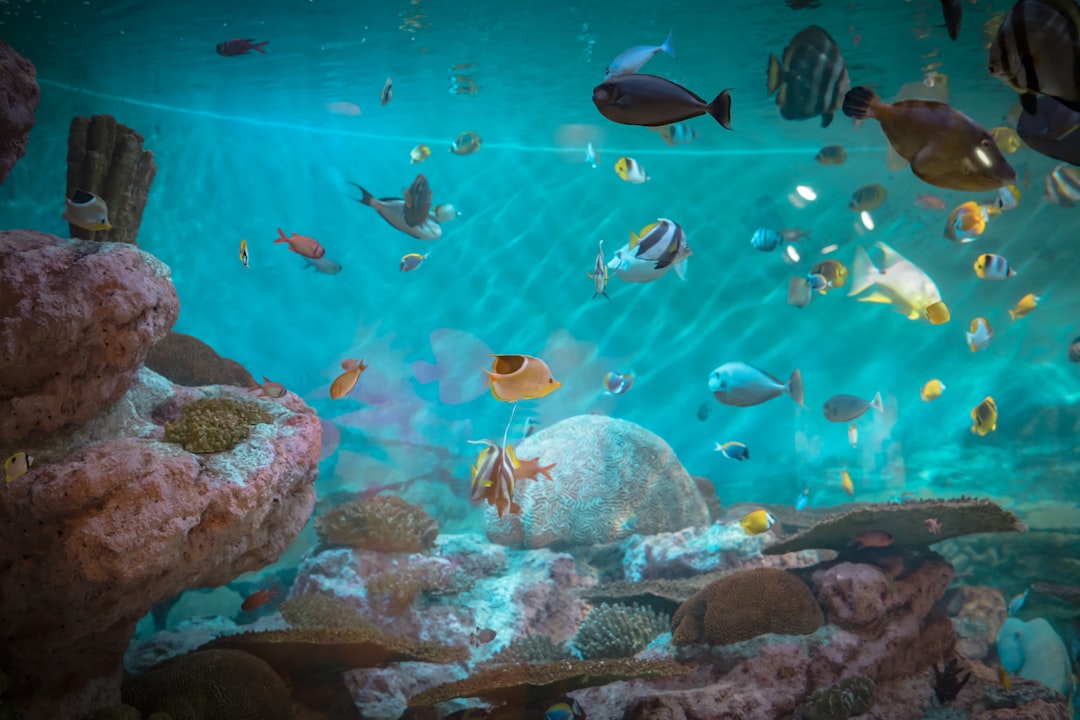
Aquariums are increasingly recognised as low-arousal sensory environments that suit some autistic people exceptionally well — quiet, visually rhythmic, predictable in pattern, and entirely under the user’s control to engage with or step away from. The aquarium autism sensory benefit rests on the fit between the tank’s continuous slow movement and the sensory regulation needs that vary widely across the autistic spectrum. This guide from Gensou Aquascaping at 5 Everton Park draws on National Autistic Society sensory environment principles and Singapore-specific resources, while making the standard caveat that an aquarium supplements rather than replaces professional support.
Why a Tank Suits Many Autistic Sensory Profiles
The National Autistic Society’s sensory environment guidance highlights low-arousal, low-clutter, predictable spaces as supportive for many autistic people. An aquarium ticks these boxes more reliably than most household furnishings. Movement is constant but slow. Sound is a low hum. Light is steady. Smell is minimal in a properly maintained tank. The viewer chooses how long and from how close to engage. Few other home features offer this combination.
The Predictability Factor
Fish swim in characteristic patterns — schools cohere, bottom dwellers root, surface fish hover. Once the patterns are learned, the tank rewards the watcher with predictability without monotony. This matches a sensory preference for stable, knowable input that many autistic individuals describe. New fish behaviour at feeding time, plant growth, and shrimp moulting introduce small variations within the larger predictable frame, which holds attention without overload.
Setup Principles for Sensory Calm
Avoid bright colour-changing lights and noisy equipment. Use a soft warm-white LED, a quiet sponge filter on a low-output air pump, and a heavily planted layout that softens visual edges. Skip the bubble curtains and plastic ornaments. The aquatic plants range includes the gentle-textured species that suit the brief. Keep the layout uncluttered with a clear focal point and open swimming space.
Species That Match a Low-Arousal Brief
Choose fish that move steadily rather than darting. Harlequin rasboras, ember tetras, hatchetfish and pencilfish maintain calm school patterns. Avoid aggressive cichlids, fast-pacing tiger barbs, and anything that flashes erratically. Snails and shrimp add slow ground-level activity that some viewers find particularly soothing. Stock at lower density than a standard show tank to keep the visual field uncluttered.
Sound Considerations
Many autistic people are auditorily sensitive. Air pump rattle, canister filter hum and impeller vibration all matter. Choose a small piezoelectric or quiet diaphragm air pump rated under 30 dB at one metre. Mount on a foam pad to break vibration transmission to the cabinet. Sponge filters are inherently quieter than canisters. The filtration and aeration range stocks low-noise options.
Engagement Modes
Different individuals engage in different ways. Some sit and watch passively; others find feeding or planting tasks calming. A pinch of food at the same time daily, the slow tweezer-planting of a moss pad, or simply tracking one fish across the tank for ten minutes are all valid practices. Let the user define their own engagement rather than prescribing one. The control belongs entirely to them.
Sensory Sensitivity to Equipment
Light flicker matters. Cheaper LEDs run at low refresh rates that cause subtle strobing some sensitive viewers find aversive. Spend more on a quality flicker-free driver. Avoid colour-changing RGB lights cycling through preset programmes — predictable steady light is the goal. Place the tank away from a window that backlights the display unevenly across the day.
Singapore Resources and Context
Local services like Autism Resource Centre Singapore, Pathlight School and AWWA Soka offer guidance on home and classroom sensory environments. A home aquarium is not part of formal therapy; it is one element of a family’s sensory toolkit. Discuss with an occupational therapist if the individual receives OT — they often have specific input on sensory diet planning. A tank can complement the OT plan rather than running alongside it disconnected.
The Supplemental Caveat
Aquariums are not autism therapy. They do not replace OT, speech therapy, behavioural support or specialist clinical care. They can support the sensory regulation work that those services already address. Frame the tank as a daily-life resource — a calm space to retreat to, a shared family activity, a long-term interest — rather than as an intervention. The Singapore Ministry of Health and Ministry of Social and Family Development list approved providers for diagnosed individuals.
Related Reading



