
Aquarium ADHD Focus Benefit Guide: Concentration and Calm
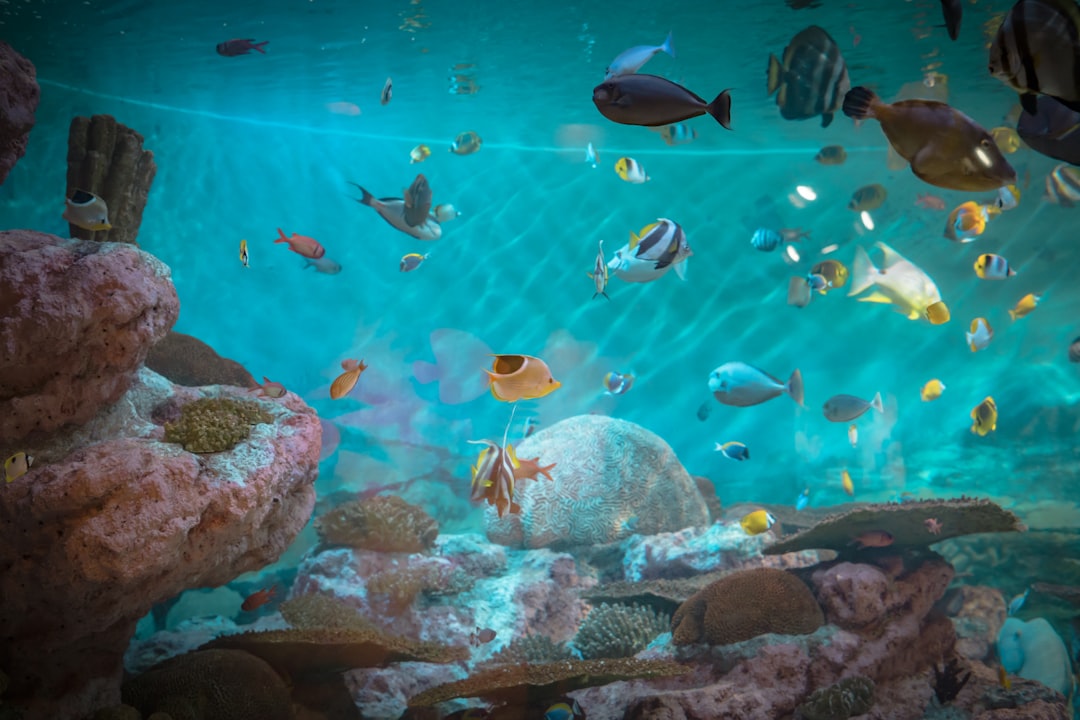
People with ADHD often describe aquariums as one of the few things that absorbs their attention without strain — a description that fits Kaplan’s “soft fascination” theory of attention restoration almost word for word. The aquarium adhd focus benefit appears to come from gentle bilateral visual movement, sensory regulation through quiet immersive input, and the absence of the directed-attention cost that screens and reading impose. This guide from Gensou Aquascaping at 5 Everton Park outlines what the cognitive research suggests, how to set up a tank for an ADHD-friendly home, and the standard caveat that aquariums supplement rather than replace clinical treatment.
Soft Fascination and Attention Restoration
Stephen and Rachel Kaplan’s attention restoration theory proposes that mental effort depletes a finite directed-attention resource, and that natural environments containing “soft fascination” stimuli — clouds, water, foliage, fire — restore it without further depletion. Aquariums sit squarely in this category. For ADHD, where directed-attention reserves are typically lower and faster to fatigue, restorative breaks matter more, not less. A ten-minute tank break between tasks is functionally a neural reset.
Bilateral Visual Movement
Watching fish swim left-to-right and back across a tank engages both hemispheres in slow alternating saccades. This is the same principle that EMDR therapy uses for trauma processing, though the contexts differ greatly. For ADHD specifically, the regular cross-field tracking appears to soothe the cognitive jitter that arrives when stimulant medication wears off late in the day. It is not a substitute for medication, but it is a useful complementary practice.
Setup for an ADHD-Friendly Tank
Variety inside a stable frame works best. Multiple species at different tank levels — surface, midwater, bottom — give the eye options without forcing movement. A heavily planted layout adds visual texture without clutter. The aquatic plants range covers easy-care species. Keep equipment hidden behind plants or driftwood; visible cables and pipes pull attention away from the calming view.
Species That Hold Attention Without Overstimulating
Avoid the extremes. Tiger barbs are too frenetic; anubias-leaf-pad-perching anabantoids are too still. Aim for a middle band — harlequin rasboras, glowlight tetras, dwarf neon rainbowfish, sterbai corydoras. The combination of midwater school, bottom-dweller activity, and occasional surface-feeding interaction keeps attention engaged without spike. Stock fifteen to twenty fish across two or three species in a 90-litre tank.
Lighting and Sensory Regulation
Programmable LEDs with smooth ramp cycles avoid the sudden on-off jolt that some ADHD users find dysregulating. A ten-minute sunrise ramp from off to peak feels natural. Avoid colour-changing routines that pull attention. Soft 5500-6000K spectrum reads as natural daylight. The light level itself becomes a daily clock — bright at noon equals work focus, dim at evening equals wind-down.
Routine as Anchor
ADHD benefits from external scaffolding. A tank’s daily-feed and weekly-water-change rhythm provides exactly that. Same time, same procedure, low cognitive load once habituated. The maintenance is short enough to avoid avoidance, satisfying enough to feel completed, and visible enough that skipping it shows. Many adults with ADHD describe the tank as their most reliably executed weekly task.
Pomodoro Pairing
For work-from-home settings, pair work blocks with tank-watching breaks. Twenty-five minutes focused work, five minutes at the tank. The break is genuinely restorative because soft fascination depletes attention rather than competing for it. Phone face-down during the five minutes. Some users find the structure transformative for sustaining a long work day. The setup itself does not require special hardware beyond the tank.
Children with ADHD
For children, the maintenance routine builds executive function as a side effect — feeding schedule, water testing, log keeping. Pair with a parent rather than as a solo responsibility. Pick robust species that survive small mistakes — guppies, platies, corydoras. Skip the high-tech CO2 setup and demanding aquascaping species. The aquarium tanks range covers child-appropriate sizes around 30-60 litres.
The Supplemental Caveat
An aquarium does not treat ADHD. It supports concentration through environmental design and provides routine scaffolding, but it does not replace stimulant medication, behavioural therapy or clinical management. For a Singapore diagnosis pathway, see a GP, polyclinic referral to IMH or KK Hospital child psychiatry. The tank fits as a self-care complement to whichever clinical pathway the user is on.
Related Reading



