
Aquarium Fish Anatomy Overview Glossary Guide: Body Plan and Terms
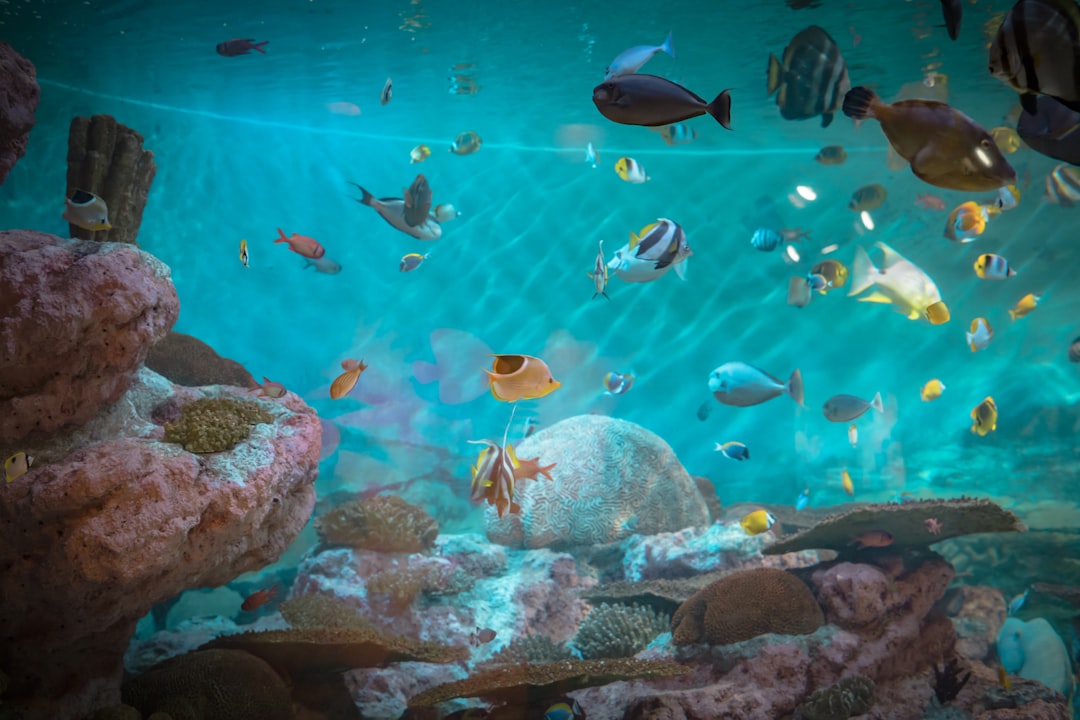
Aquarium fish anatomy overview in fifty words: a fish body splits into head, trunk and tail, with paired and unpaired fins for propulsion and stability, a lateral-line sensory system, scales for protection, gills for respiration, a swim bladder for buoyancy and internal organs adapted for aquatic life. Knowing the aquarium fish anatomy overview matters because every disease symptom, treatment decision and species ID starts with naming the body part you’re looking at, which this Gensou Aquascaping guide from 5 Everton Park covers systematically.
Head and Operculum
The head houses the brain, eyes, mouth, nostrils and gills. The operculum is the bony gill cover that flexes during respiration, pumping water across the gill lamellae. Watch operculum movement to assess respiratory rate — healthy tropical fish at 26-28°C breathe 60-90 times per minute. Doubled rate signals oxygen stress; halved rate signals hypothermia or sedation.
The Trunk: Lateral Line and Scales
The trunk is the body section between gills and anal vent, covered in scales (cycloid in tetras, ctenoid in cichlids, ganoid in gar) and bisected horizontally by the lateral line — a row of pored sensory cells running flank to peduncle. The lateral line detects water displacement and pressure changes, making it the fish’s “long-range” sense for predator and shoal coordination.
Unpaired Fins: Dorsal, Anal, Caudal
The dorsal fin runs along the back and provides yaw stability. Some species like bettas and gouramis have elaborate dorsals for display; others like rasboras keep them functional and short. The anal fin sits behind the vent and adds roll stability. The caudal fin (tail) drives propulsion — tail shape categorises fish into burst swimmers (forked tails), cruisers (truncate tails) and ambush predators (rounded tails).
Paired Fins: Pectoral and Pelvic
Pectoral fins sit just behind the gills and act like aircraft elevators — they control pitch, brake and reverse. Pelvic fins (also called ventral fins) sit on the underside between gills and vent, providing yaw control and lift during slow swimming. Trichogaster spp. gouramis modify pelvic fins into long sensory feelers used to “taste” the water column.
The Caudal Peduncle
The peduncle is the muscular wrist between trunk and tail, where most swimming force originates. Powerful peduncle musculature distinguishes burst-swimming species like clown loaches from slow grazers like otocinclus. Damage to the peduncle from net handling or velvet disease severely impairs swimming. Browse the fish food range at Gensou for protein-rich diets that build peduncle muscle.
Scales and Skin Mucus
Most teleost fish carry thin overlapping scales embedded in skin. Scaleless fish — catfish, eels, loaches — rely entirely on a thick mucus layer for osmotic and pathogen protection. This is why scaleless species are notoriously sensitive to copper, formalin and salt treatments. Treatment doses for scaleless fish run 50-75 per cent of standard.
Internal Anatomy Quick Tour
Inside, fish carry a swim bladder for buoyancy, a two-chambered heart, kidneys for osmoregulation, a single-pass digestive tract and gonads for reproduction. The swim bladder splits into physostome (open-duct, found in tetras and cyprinids) and physoclist (closed, found in cichlids and perches). Gas-filled bladders make X-rays excellent for diagnosing internal infections.
Catfish and Eel Variations
Catfish modify the standard plan with barbels (sensory whiskers), suckermouth structures (in plecos and otos) and adipose fins (a small fleshy fin between dorsal and caudal). Eels lose pelvic fins entirely and merge dorsal, caudal and anal into a continuous fringe. Mastacembelus armatus spiny eels and clown knife fish show extreme reductions of paired fins for sinuous swimming.
Why Anatomy Knowledge Helps Diagnosis
Specific symptoms map to specific anatomical regions. White spots on the body = ich on scales. Frayed dorsal = fin rot. Pop-eye = exophthalmia of the orbital socket. Bloated abdomen + raised scales = dropsy from kidney failure. Knowing the parts lets you describe symptoms precisely when seeking advice from Gensou’s care team at 5 Everton Park.
Related Reading



