
Aquarium Fish Stress Response Cortisol Glossary Guide: HPI Axis
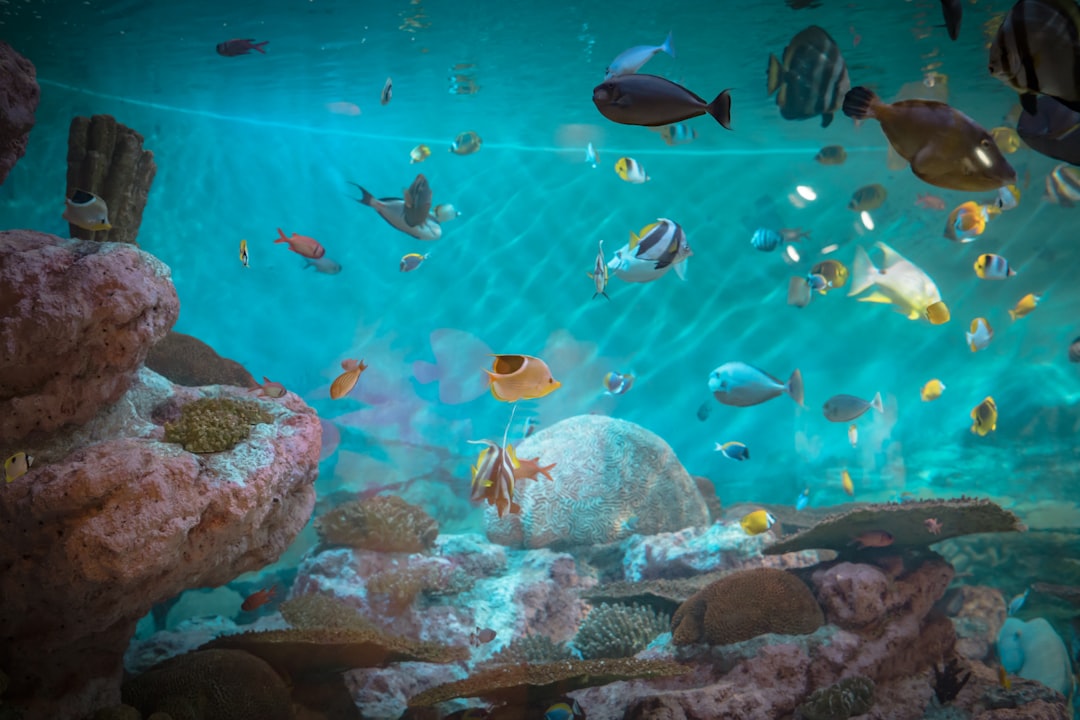
Stress kills more aquarium fish than any single pathogen, because almost every disease outbreak begins with a cortisol spike that suppresses immunity. The aquarium fish stress response follows the same hormonal cascade in a betta as in a salmon — and reading the visible markers early prevents the bacterial bloom that follows. This glossary entry from Gensou Aquascaping at 5 Everton Park breaks down the HPI axis, how the aquarium fish stress response dampens immune function and which warning signs to act on.
Definition in 50 Words
The fish stress response is a hormonal cascade triggered by perceived threat, channelled through the hypothalamic-pituitary-interrenal (HPI) axis. Within minutes, interrenal tissue releases cortisol, mobilising glucose, raising heart rate and shutting down non-essential systems. Acute episodes resolve quickly; chronic activation suppresses immunity, mucus production and growth, opening the door to opportunistic pathogens.
The HPI Axis Explained
The HPI axis is the fish equivalent of the mammalian HPA axis. The hypothalamus releases corticotropin-releasing hormone (CRH); the pituitary responds with adrenocorticotropic hormone (ACTH); ACTH drives the interrenal tissue (embedded in the head kidney) to secrete cortisol. The full cascade activates within minutes of a stressor — net capture, transport, water change shock or aggressive tankmate.
Cortisol Effects in the Body
Cortisol is a survival hormone. It mobilises liver glycogen into blood glucose, sharpens cardiac output, and routes oxygen to muscles for fight-or-flight. Simultaneously, it suppresses lymphocyte production, slows mucus secretion and pauses growth and reproduction. A 30-minute transport ride from Clementi to Geylang produces cortisol levels three to five times baseline; recovery to baseline takes 24-72 hours under stable conditions.
Acute vs Chronic Stress
Acute stress is short, sharp and resolves cleanly — a netting event, a brief temperature swing, a startled flight from a moving shadow. Chronic stress is the silent killer: ongoing aggression, unstable parameters, persistent ammonia, overcrowding, vibrational noise from a poorly placed tank. Chronic cortisol elevation produces the classic long-term damage profile — scale loss, finrot, ich outbreaks, weight loss despite feeding.
Visible Stress Markers
Five external cues signal trouble. Clamped fins held tight against the body. Faded colouration as melanophores contract. Rapid opercular beats above 120 per minute at rest. Surface gasping with mouth at the waterline. Hovering near the heater or in a corner away from tankmates. Two of these together justify immediate water testing using the water testing range.
Common Stressors in HDB Tanks
Singapore home tanks have a distinct stressor profile. Tropical 28-31°C ambient pushes the upper temperature tolerance for many species. Footfall and cabinet vibration in compact HDB layouts transmit into the tank. Cylinder cooker and air-con on/off cycling shifts ambient temperature 2-3°C daily. Match-day TV volume can trigger cortisol spikes in lateral-line-sensitive species. Place tanks on dampened cabinets from the tank and cabinet range, away from main walking paths.
Reducing Acute Stress
Quick, decisive interventions blunt cortisol release. Net under cover with a soft, dark-coloured net rather than chasing through open water. Use bag floating for temperature equalisation, then drip acclimatise for 30-60 minutes for ion balance. Dose Seachem StressGuard at every move to support mucus and reduce handling damage. Keep room lights dim during introduction.
Reducing Chronic Stress
Chronic stress demands environmental fixes. Stock to species temperament — never mix peaceful tetras with semi-aggressive barbs in undersized tanks. Provide cover: planted thickets, driftwood caves, and shaded zones break sightlines. Maintain stable ammonia at 0, nitrite at 0 and nitrate below 20 ppm. Schedule water changes for the same day each week so fish acclimatise to the rhythm. Avoid sudden lighting transitions — use ramped LED schedules from the lighting range.
Diagnostic Use of Cortisol
Researchers measure plasma cortisol via blood draw, but hobbyists rely on behavioural and physical proxies. A robust rule: if two stress markers persist for more than 48 hours, intervene before pathogens take hold. Most fish disease outbreaks follow chronic stress by 7-14 days; that lag is your window to fix the upstream cause.
Connected Terms
Stress response interconnects with osmoregulation (cortisol modulates ion pumps), gill anatomy (rapid breathing is the first sign), and disease susceptibility (immunosuppression precedes ich, finrot and saprolegnia). Treat stress as the upstream lever, not the symptom.
Related Reading



