
Aquarium Fish Osmoregulation Glossary Guide: Freshwater vs Marine
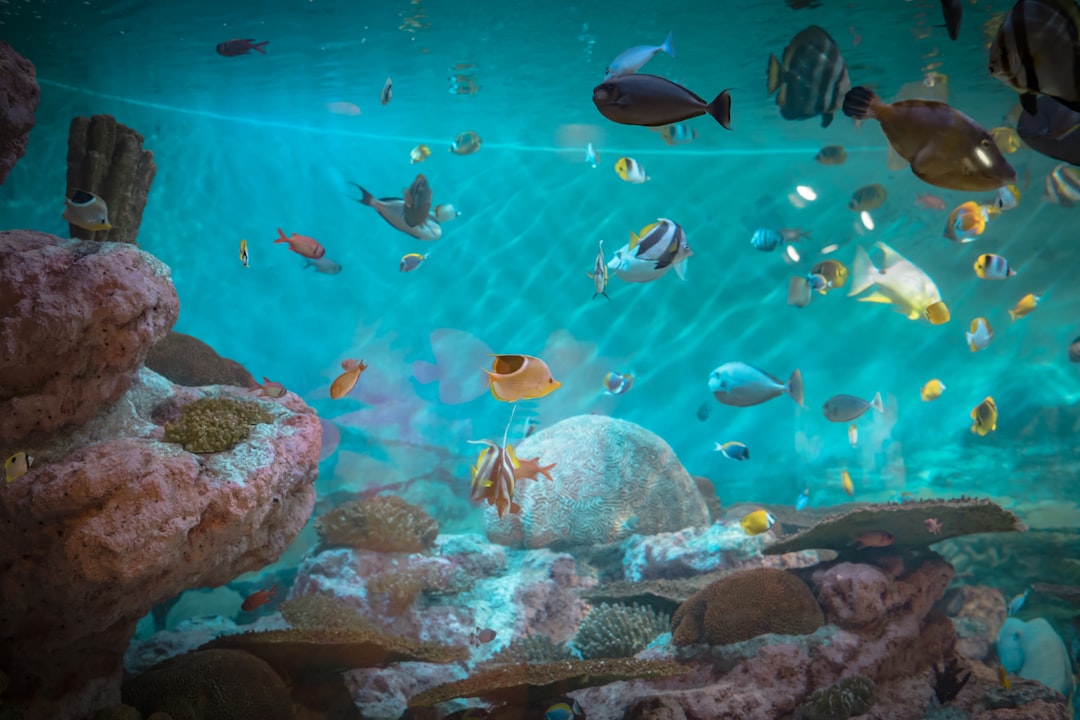
Every fish in a tank is solving the same physics problem: how to keep internal salts and water concentrations stable when the surrounding environment is pulling them in the opposite direction. Mastering aquarium fish osmoregulation explains why freshwater fish die in seawater, why mollies thrive in brackish, and why a botched water change kills shrimp before any test kit registers an issue. This glossary entry from Gensou Aquascaping at 5 Everton Park covers aquarium fish osmoregulation in freshwater, marine and euryhaline species.
Definition in 50 Words
Osmoregulation is the active maintenance of internal salt and water concentrations against an external osmotic gradient. Fish use gills, kidneys, gut and skin to balance passive water and ion movement, expending around 20 per cent of total energy on the task. Strategy depends on whether the surrounding water is more dilute or more concentrated than blood.
Freshwater Fish: Hyperosmotic to Environment
Freshwater fish carry blood roughly 300 milliosmoles per litre — far saltier than the surrounding 5-50 mOsm pond water. Water floods in passively across gills and skin. To compensate, the fish drinks almost nothing, produces large volumes of dilute urine (up to 20 per cent of body weight per day in goldfish), and actively pumps sodium and chloride in via gill chloride cells. PUB tap water is essentially this scenario for tetras, bettas and discus.
Marine Fish: Hypoosmotic to Environment
Marine teleosts face the opposite challenge — surrounding seawater at roughly 1000 mOsm pulls water out of the body. They drink seawater continuously (5-10 per cent body weight daily), absorb water and salts through the gut, then actively pump excess sodium and chloride out via specialised gill cells. Urine output is low and concentrated. This is why a freshwater fish dropped into reef-strength salinity dies of dehydration within minutes despite being underwater.
Chloride Cells and the Gill Pump
The active ion movement happens in mitochondria-rich chloride cells embedded in the gill epithelium. Freshwater chloride cells run inward pumps; marine ones flip the directionality. Switching modes during acclimation to brackish takes hours to days. Damage to these cells from ammonia or chloramine cripples osmoregulation before gas exchange visibly fails.
Euryhaline Species
Some fish handle both extremes. Mollies (Poecilia sphenops), mudskippers, scats, monos and salmon are euryhaline — they re-engineer chloride cell directionality during habitat shifts. Mollies in Singapore tanks tolerate full marine to fresh ranges if transitioned over 7-14 days. Stenohaline species — most tetras, cichlids, bettas — have no such flexibility and crash within hours of a salinity error.
Osmotic Shock Mechanism
Osmotic shock occurs when external salinity changes faster than the fish can re-tune ion pumps. Cells either swell (in dilution shock) or shrivel (in concentration shock). Symptoms include sudden lethargy, loss of equilibrium, gasping, and death within minutes to hours. Shrimp and snails are especially vulnerable. Always drip acclimatise new arrivals from the shrimp range over 60-90 minutes.
Hardness, GH and KH Effects
Even within freshwater, mineral content matters. PUB tap water at GH 2-4 is too soft for hardness-loving species like African cichlids and livebearers, who suffer chronic mild osmotic stress unless remineralised. Discus and tetras prefer the soft baseline directly. Test with quality kits from the water care range and adjust GH using mineral salts before introducing sensitive species.
Acclimation Best Practice
Float the bag for 15 minutes to equalise temperature. Open the bag and add 50 ml of tank water every 5 minutes for 60-90 minutes, doubling the original volume gradually. For shrimp and saltwater species, extend to 2-3 hours. Discard the bag water — never pour it into the display tank. This protocol gives chloride cells time to adjust ion pump activity.
Singapore Tap and Local Application
PUB water is soft (GH 2-4, KH 1-2), slightly acidic (pH 7.0-7.5 fresh from tap, dropping in stored), and chloramine-treated. This profile matches Amazonian biotopes — tetras, dwarf cichlids, plecos — without remineralisation. African cichlid and livebearer keepers add Tropic Marin Pro Reef or similar GH boosters from the water care range to push GH to 8-12 dGH.
Connected Terms
Osmoregulation links directly to gill anatomy (chloride cells live there), stress response (cortisol modulates ion pump activity), and water hardness (GH/KH define the gradient). A fish with damaged gills cannot osmoregulate, suffers chronic cortisol elevation and falls prey to opportunistic infection within weeks.
Related Reading



