
Santa Maria Endler Strain Care Guide: Wild Locality Lineage
The Río Santa Maria in northern Venezuela is one of only a handful of confirmed wild collection sites for true Poecilia wingei, and the fish gathered there in the 1970s seeded most of the pure Endler lines circulating in Europe and Asia today. The santa maria endler strain represents the original wild-type form before captive selection took over, and serious livebearer keepers protect that lineage like a museum exhibit. This guide from Gensou Aquascaping at 5 Everton Park covers the strain’s locality status, breeding ethics, and how to keep contamination at bay in a Singapore HDB rack.
Heritage and Founding
Santa Maria stock entered the European hobby through Armando Pou and later John Endler’s 1975 collection trip to Laguna de Patos and the surrounding river systems. The Río Santa Maria population sat just inland from the coastal lagoons and produced fish slightly larger and more boldly coloured than the Cumana types. Pou maintained the lineage in dedicated breeding tanks for decades, distributing fry only to vetted hobbyists.
Signature Specialty
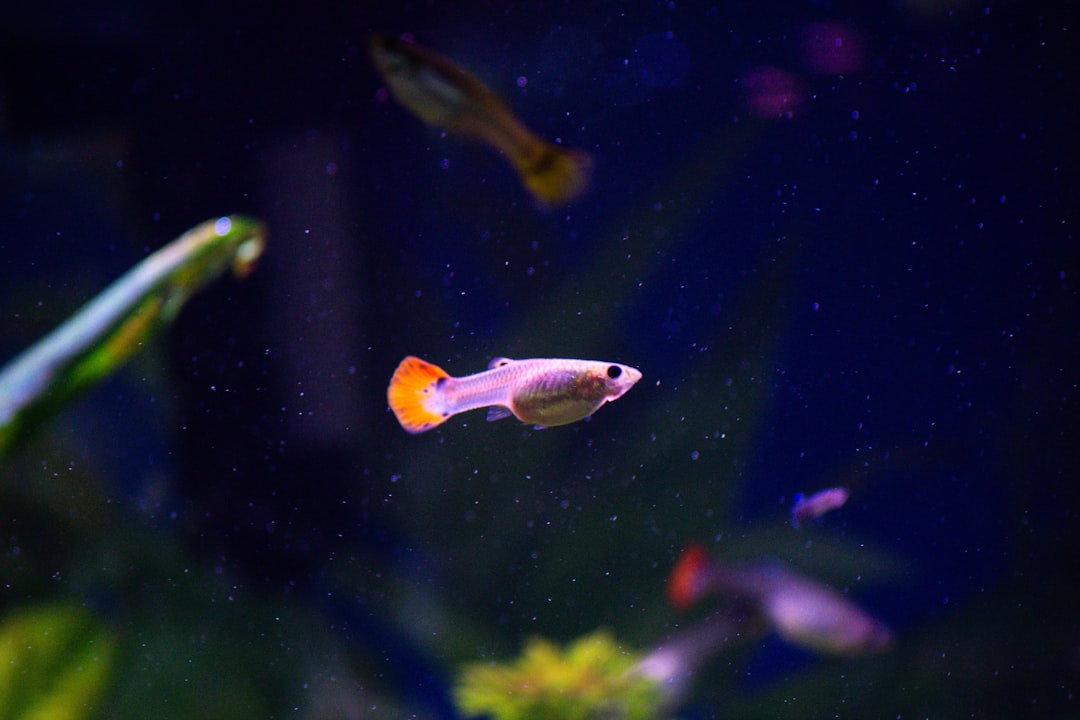
The signature look is brilliant orange-yellow flanks, a clean black wedge spot near the dorsal fin, and metallic green-blue iridescence on the upper body. Caudal fins remain small and diamond-shaped — never elongated or fancy-finned, since any sword or veil expression betrays guppy contamination. Pure Santa Maria males rarely exceed 2.8 cm.
Distinguishing Traits
Body form is compact, slightly deeper than Cumana, with a near-transparent caudal peduncle and minimal scale outlining. The orange shoulder bar runs vertically rather than diagonally — a useful cue when telling Santa Maria apart from N-class lines from other Venezuelan localities. Females stay plain silver-grey throughout life.
Genetics and Breeding
Santa Maria stock is registered as Class N (pure wild-type) under the Endler classification system. Maintain a closed colony with no outcrossing to other locality lines or fancy guppies. Track lineage on a simple Carousell or Excel pedigree, and rotate three to four breeding tanks to prevent inbreeding depression. Cull any male showing fancy fin extensions immediately.
Notable Specimens
The Pou-line Santa Marias maintained at Berlin and Hamburg public aquaria still trace back to the 1970s collection. Asian preservation efforts in Tokyo and Bangkok have produced photographically-documented sub-lines. Singapore preservation hobbyists are rare but active on the SG Endler Telegram group.
Singapore Sourcing
True Santa Maria is hard to find locally — most Singapore “Santa Maria” listings on Carousell are mislabelled K-class hybrids. Verified pure stock arrives via European hobbyist swaps or Bangkok importers and trades through private SG Endler keepers. The freshwater fish range at Gensou occasionally carries imported lots when sourcing aligns.
SGD Pricing
Pure-line Santa Maria pairs sit at SGD 25-60, with documented pedigree trios climbing to SGD 80-120. The premium reflects breeding work, not flashy colour — buyers pay for genetic purity. Bargain-priced “Santa Maria” listings under SGD 15 are almost always hybrid lines.
Care Considerations
Wild Santa Maria prefers harder, more alkaline water than guppy strains: GH 10-15, KH 5-8, pH 7.4-8.2, 24-27°C. PUB Singapore tap is too soft straight from the tap, so dose Seachem Equilibrium and crushed coral. Use a gentle sponge filter on a 30-litre or larger tank with floating Salvinia for fry cover. Feed crushed flake, microworm and Moina.
Counterfeit Risk and Hybridisation
The biggest threat to Santa Maria preservation is accidental crossing with fancy guppies or K-class tiger Endlers. A single fancy guppy contamination event ruins a colony permanently because females store sperm for months. Use a dedicated separation tank, never share nets between racks, and quarantine all new arrivals for 30 days. Verify any seller’s lineage before purchase — a real preservation breeder will share photos and pedigree without hesitation.
Future and Modern Continuation
The Río Santa Maria itself faces ongoing habitat pressure from agricultural runoff, making captive populations a genuine conservation asset. Hobbyists who maintain pure colonies are functionally backup arks for the species. The IUCN listing has shifted to vulnerable in recent assessments, raising the stakes further.
Related Reading



