
Achilles Tang Care Guide: Demanding Surgeonfish Species
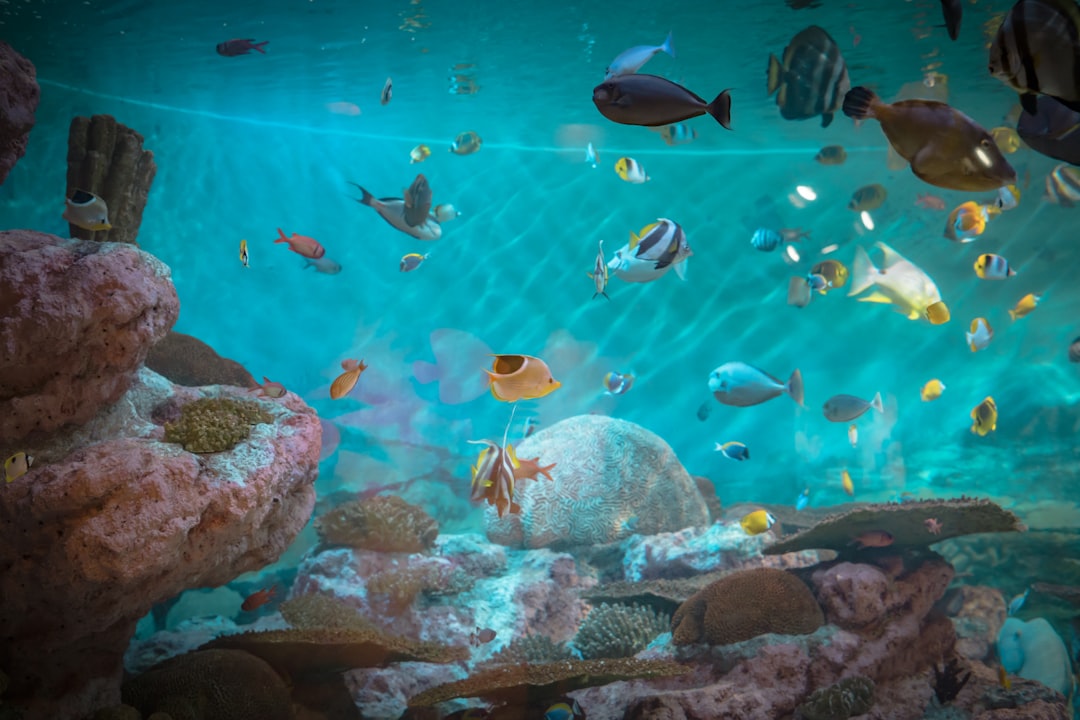
Acanthurus achilles is the holy grail of surgeonfish for experienced reefkeepers and a reliable disappointment for everyone else. This achilles tang care guide marine from Gensou Aquascaping at 5 Everton Park is aimed at hobbyists with at least three years of stable reef experience, because this species punishes under-sized tanks, low oxygen and rushed quarantine with rapid death. The velvet-black body and scarlet teardrop make it worth the effort, but only for the prepared.
Quick Facts
- Scientific name: Acanthurus achilles
- Adult size: 24cm in captivity, 30cm+ in the wild
- Minimum tank: 750 litres (200 gallons), 7ft length preferred
- Origin: Hawaii and central Pacific reef crests
- Temperament: aggressive toward other Acanthurus and similar shapes
- Reef safe: yes, fully coral and invertebrate safe
- Care level: expert
Natural Habitat and Why It Matters
Achilles tangs inhabit surge zones on Pacific reef crests at depths of 1-10m. Water there is 24-25 degrees C, saturated with oxygen from breaking waves, and constantly flowing. Replicating that environment is the core challenge of the species in a closed system. This guide sits inside our broader Tropical Fish Species Master Index reference.
In Singapore where ambient tanks hit 28-30 degrees C without chilling, achilles tangs suffer. Oxygen solubility drops, respiration accelerates and metabolic demand rises. A chiller is non-negotiable and should be sized one step larger than the tank manufacturer recommends.
Tank Requirements
A 7ft or 8ft tank with heavy random flow is the starting point. Two gyre pumps producing opposing 40,000 litre per hour patterns, plus a return pump delivering 4-5 times tank volume, approximates the surge these fish need. Do not bother with a 6ft tank, you will lose the fish.
Aquascape open with a long sand runway. Sump should be generous, at least 25 percent of display volume, to buffer parameter swings. A well-sized protein skimmer rated for double the display volume drives the oxygenation this species demands.
Oxygen and Flow Specifics
Target dissolved oxygen above 7 mg/L at all times. Measure with an Apex DO probe or Milwaukee meter during the warmest hour of the afternoon. An oversized skimmer and an air-driven sump section raise baseline oxygen meaningfully.
Surface agitation matters more than jet flow at the glass. Two Vectra M2 returns or a dedicated surface-skimming gyre break the surface film and keep gas exchange high. Power outages in HDB flats are rare but devastating for this species, so a battery backup on one powerhead is smart insurance.
Diet and Feeding
Achilles tangs are obligate grazers. They must have access to algae or nori around the clock. Clip two half-sheets of nori at dawn and again at midday. Supplement with mysis, LRS Reef Frenzy, spirulina-enriched brine and a pellet such as Hikari Marine-A.
Feed five to six small meals a day for the first three months after introduction. An achilles tang that stops grazing for more than 24 hours is in trouble. Soak foods in Selcon and a vitamin supplement to support immune function and retain the iconic red teardrop colour.
Quarantine and Disease
Quarantine is mandatory. The species is every bit as ich-prone as the powder blue tang and equally susceptible to marine velvet. A 45-day copper treatment at 2.0-2.5 ppm in a 200 litre bare-bottom quarantine tank is the baseline protocol.
Introduce the achilles last to the display. An established territory fish often refuses to eat and dies within a month. Buy the largest, most actively eating specimen you can find, because small achilles tangs have abysmal survival rates in home systems.
Tank Mates
No other Acanthurus species unless your system exceeds 1500 litres. A single Zebrasoma (yellow, purple) and a single Naso may coexist if added simultaneously with the achilles. Clownfish, wrasses, anthias, dwarf angels and cardinals work well.
Avoid large triggers, lionfish that eat small fish, and any territorial Pseudochromis above 10cm. Achilles tangs do not back down easily and injuries to the face or gills get infected quickly in warm Singapore tanks.
Water Parameters
Temperature 24-26 degrees C strictly, salinity 1.025, alkalinity 8-9 dKH, calcium 420-440 ppm, magnesium 1300-1400 ppm. Nitrate should sit below 5 ppm and phosphate below 0.04 ppm. This species shows HLLE and colour fade faster than almost any tang at elevated nutrient levels.
Sourcing and Cost in Singapore
Prices range 450-1200 SGD for a decent specimen. Iwarna Aquafarm and Aquarium Artist bring them in on request. Ask for Hawaiian collection if possible, avoid large adults above 20cm as they rarely adapt, and target 10-14cm specimens eating frozen and nori in the shop before purchase.
Long Term Success
A well-kept achilles tang lives 15-20 years. The species rewards stable husbandry, cool oxygen-rich water and generous feeding. In Singapore conditions only a handful of reefkeepers run this species successfully for more than three years, and every one of them has a chiller, an oversized skimmer and an obsessive quarantine habit.
Related Reading
How to Quarantine Marine Fish
Marine Ich Treatment Guide
Yellow Tang Care Guide
Best Protein Skimmer Guide
How to Start a Reef Tank in Singapore



