
Naso Tang Care Guide: Unicorn Tang Size and Diet
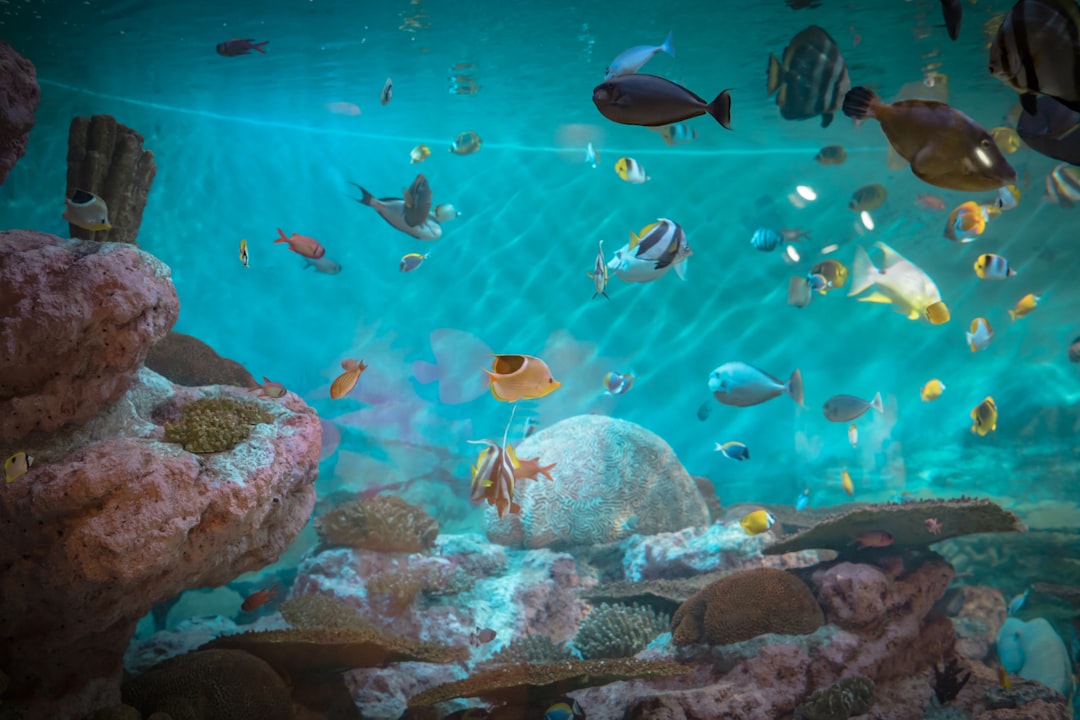
The lipstick tang is the species that teaches most reefkeepers they bought too small a tank. This naso tang care guide marine from Gensou Aquascaping in Singapore walks through the realistic tank footprint, the volume of food these large surgeonfish eat daily, and why their temperament actually makes them some of the easier tangs to keep, provided you have the space. Naso lituratus rewards honest planning more than any other common surgeonfish in the hobby.
Quick Facts
- Scientific name: Naso lituratus
- Adult size: 35-40cm in captivity
- Minimum tank: 900 litres (240 gallons), 8ft length strongly preferred
- Temperament: peaceful, shy when first introduced
- Reef safe: yes, coral and invertebrate safe
- Diet: macro-algae herbivore, prefers Sargassum and brown algae
- Lifespan: 20-30 years with good care
Size Planning Honestly
Young naso tangs arrive in shops at 10-12cm and double within 18 months. Adults hit 35cm routinely and need open swimming lanes to avoid fin erosion. A 6ft 500 litre tank is not suitable long-term, regardless of what forums claim.
In Singapore terms, this species realistically needs a 8ft 1000 litre build or larger. Floor loading in an HDB flat caps many builds at 1500kg total, which is a 2m tank with a 200 litre sump. Plan the build around the fish, not the other way round.
Tank Layout
Keep aquascape low and to the sides. Naso tangs do not hide much once established, they cruise. A long open sand runway down the middle third of the tank is the layout goal. Two rock islands with overhangs give refuge without blocking flow.
Flow should be moderate to strong, with gyre or Tunze pumps creating a broad current rather than jet streams. Surface agitation drives oxygen, which these large-bodied fish consume heavily, especially in warm Singapore tanks running toward 27 degrees C.
Diet Specifics
Naso tangs are macro-algae specialists, not micro-algae grazers like yellow tangs. They prefer Sargassum, Caulerpa and brown nori over green. Purple nori (red algae) is accepted but green nori is sometimes ignored for days.
Feed three to four times a day minimum. Two full sheets of nori clipped, plus mysis and LRS Reef Frenzy for protein, plus a quality herbivore pellet. A macro-algae refugium in the sump is almost essential, it acts as a living snack bar during lights-out on the display.
Water Parameters
Temperature 25-26 degrees C, salinity 1.025, alkalinity 8-9 dKH, pH 8.1-8.3. Nitrate below 10 ppm and phosphate below 0.1 ppm are realistic targets. Naso tangs tolerate nutrients better than achilles or powder blue, but colour and dorsal filament development suffer at higher readings.
Temperament and Tank Mates
One of the calmest surgeonfish. A naso tang rarely bullies other species and often ignores even other Acanthurus relatives. It does, however, get bullied by aggressive tangs when first introduced because of its shy arrival behaviour.
Add the naso first, or simultaneously with other tangs. Compatible mates include clownfish, angelfish (dwarf or large), wrasses, anthias, cardinals, large gobies and peaceful triggers such as blue throats. Avoid undulated or clown triggers that will harass the long trailing filaments.
Sexual Dimorphism
Adult males develop dramatic long dorsal and anal fin filaments, giving rise to the streamer nickname. Females stay shorter-finned. Colour intensifies with age and diet quality, with the iconic yellow lipstick and black face mask most striking in large males.
These filaments need space. Tight rockwork and short tanks cause them to break off repeatedly and eventually fail to regrow, which is a sign the tank is undersized.
Quarantine and Disease
Naso tangs are moderately ich-resistant compared to powder blue or achilles, but still require a full 30-day copper quarantine. Marine velvet is the bigger threat and presents quickly in stressed specimens.
Watch for HLLE and lateral line erosion at elevated nitrates. Vitamin-soaked foods and vitamin C dosing (Boyd VitaChem or Seachem Vitality) during the first six months stabilise skin and fin condition.
Acclimation to Singapore Tanks
Drip acclimate for 90-120 minutes. Naso tangs often refuse food for the first 3-5 days. Do not panic. Keep nori clipped constantly and add a small, calm established fish to show feeding behaviour. Most healthy specimens begin grazing by day 6-7.
If the fish is still not eating after 10 days, target-feed with a syringe of garlic-soaked mysis near its mouth. Persistent refusal past two weeks almost always indicates internal parasites requiring metronidazole treatment in quarantine.
Sourcing and Cost
Expect 280-650 SGD depending on size and origin. Vanuatu and Tonga collection arrive in better condition than the Philippine stock commonly found in Pasir Ris Farmway shops. Iwarna Aquafarm and Aquarium Artist carry good specimens and often hold Hawaiian or Vanuatu stock on request.
Related Reading
Yellow Tang Care Guide
How to Quarantine Marine Fish
Marine Aquarium Equipment Checklist
Reef Tank Setup HDB Singapore
How to Choose Marine Fish



