
Yellow Tang Care Guide: A Classic Marine Fish for Larger Reefs
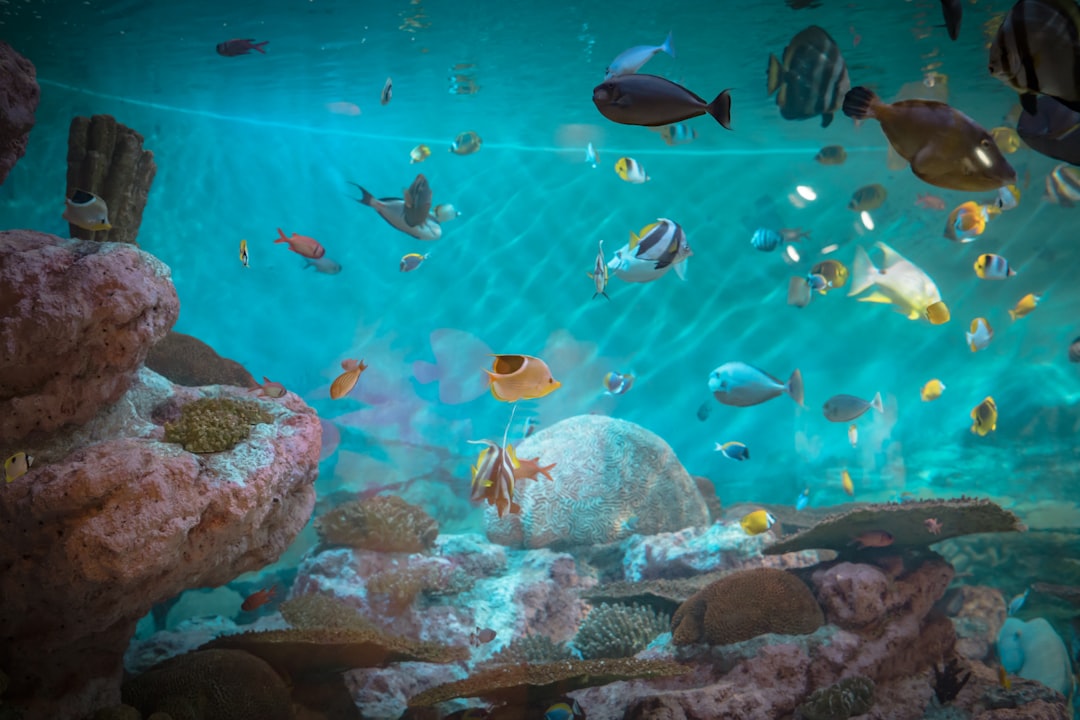
Vivid, active, and instantly recognisable, the yellow tang has been a marine aquarium icon for decades. A proper yellow tang care guide for marine tanks must be honest about one thing upfront: this fish needs space. At Gensou Aquascaping Singapore, we advise hobbyists to plan their tank size around the tang rather than trying to squeeze one into a nano setup. Get the housing right, and Zebrasoma flavescens rewards you with bold colour, personality, and excellent algae control.
Species Profile
Zebrasoma flavescens hails from the Pacific, primarily around Hawaii and the Marshall Islands. Adults reach 18–20 cm in length and are laterally compressed with a disc-shaped body — a shape built for agile swimming across open reef flats. Their uniform lemon-yellow colouration intensifies under quality lighting and proper nutrition. A sharp, retractable spine near the tail base (the “scalpel”) serves as defence and can cause a nasty cut if you handle the fish carelessly during transfer.
Tank Size and Setup
A minimum of 300 litres is recommended, though 400 litres or more allows the tang to behave naturally. Yellow tangs are active swimmers that patrol a territory throughout the day; cramped quarters lead to stress, aggression, and lateral line disease. A long tank footprint (120 cm or greater) matters more than raw volume. Provide plenty of live rock for grazing and hiding, with open swimming lanes between rock structures. In Singapore, tanks of this size are most practical in landed homes or larger condo units, though dedicated hobbyists in HDB maisonettes manage them successfully.
Water Parameters
Maintain salinity at 1.024–1.026, temperature between 24 and 26 °C, ammonia and nitrite at zero, and nitrates below 20 ppm. Yellow tangs are moderately sensitive to water quality — elevated nitrates and poor oxygenation contribute to head and lateral line erosion (HLLE), a common disfiguring condition. A good protein skimmer, regular water changes of 10–15 per cent weekly, and adequate surface agitation go a long way. Singapore’s ambient warmth means a chiller is practically mandatory for tanks this size.
Diet and Nutrition
Yellow tangs are primarily herbivores. Offer dried nori (seaweed) on a clip daily — this should form the bulk of the diet. Supplement with high-quality marine pellets, frozen mysis shrimp, and occasional spirulina flakes. A varied diet rich in marine algae prevents HLLE and keeps the yellow colouration intense. Tangs that are fed only frozen meaty foods often develop faded colour and nutritional deficiencies over time. Nori sheets are inexpensive and readily available at local supermarkets and online via Shopee.
Compatibility
Yellow tangs are generally peaceful toward non-tang species but can be territorial with other surgeonfishes, especially those of similar shape or colour. Keeping a single yellow tang in a mixed reef is the safest approach. If you want multiple tangs, introduce them simultaneously into a large system (500 litres or more) with diverse species — for example, pairing a yellow tang with a blue hippo tang. Clownfish, wrasses, cardinalfish, and most invertebrates coexist well. Avoid housing yellow tangs with aggressive triggers or large angelfish in moderately sized tanks.
Health Concerns
Tangs as a family are prone to marine ich (Cryptocaryon irritans), earning them the informal label “ich magnets.” Quarantine every new tang for at least four weeks before introducing it to your display — this single step prevents most disease outbreaks. HLLE, characterised by pitting and erosion along the head and lateral line, is the other major concern. It is linked to poor diet, stray voltage, and carbon dust. Running a grounding probe, feeding nori generously, and using high-grade activated carbon mitigate the risk.
Purchasing in Singapore
Yellow tangs are stocked at most marine fish shops in Singapore, including those along Serangoon North Avenue 1. Prices typically range from $40 to $80 depending on size and source. Select specimens that are actively swimming, eating when offered food, and free of white spots or fin damage. With proper quarantine, a spacious tank, and a nori-rich diet, your yellow tang can live well beyond ten years — a long-term companion for your reef.
Related Reading



