
Brain Coral Care Guide: Lobophyllia and Symphyllia in Reef Tanks
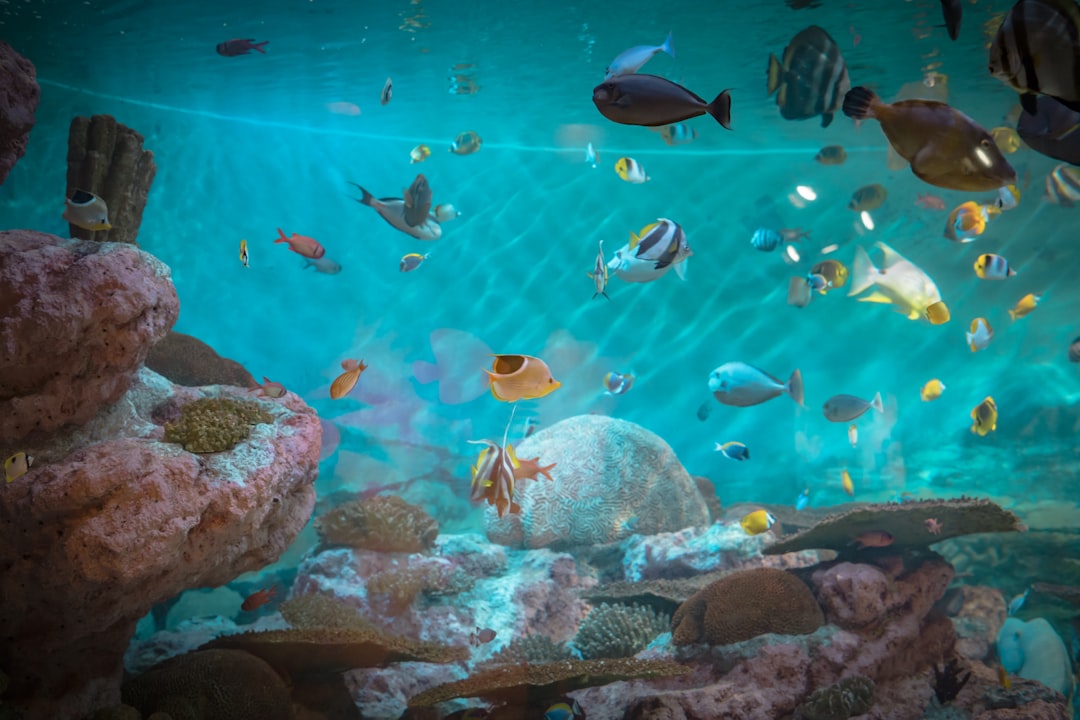
Fleshy, vividly coloured and deceptively easy to keep, brain corals rank among the most rewarding LPS species for reef hobbyists at every level. This brain coral care guide from Gensou Aquascaping at 5 Everton Park, Singapore focuses on the genera Lobophyllia and Symphyllia, two closely related groups that share similar care requirements but differ in colony structure. With proper placement, feeding and water quality, these corals produce some of the most spectacular colours found on any reef tank’s sandbed. This guide sits inside our broader Saltwater Reef Tank Master Guide reference.
Species Identification
Lobophyllia colonies feature distinct, separated lobes — each polyp forms a rounded mound with visible walls between neighbours. Symphyllia colonies, by contrast, display fused, meandering valleys where individual polyps merge into a continuous surface pattern. Both genera occur across Indo-Pacific reefs and are regularly imported into Singapore. Colour morphs range from solid reds and greens to multi-coloured specimens with contrasting walls and centres — often marketed as “rainbow lobo” or “bleeding apple” variants that command premium prices of $40-150 per colony.
Placement and Lighting
Brain corals are bottom-dwellers in the wild, collecting on reef slopes and rubble zones where light is moderate and flow is gentle. In your reef tank, place them on the sandbed or lower rockwork. Target PAR values of 80-150 — excessive light bleaches their tissue and causes retraction. Under LED fixtures, this typically means positioning colonies in the lower third of the tank. If a newly placed brain coral keeps its tentacles retracted during the day and its tissue looks pale, reduce light intensity or move it lower. Acclimate new specimens by starting at the bottom and adjusting over two to three weeks.
Water Flow
Gentle, indirect flow suits brain corals. Strong currents cause tissue recession and prevent feeding tentacles from expanding fully at night. Position colonies away from direct powerhead output. A light random flow pattern that gently moves the tentacles without flattening them is ideal. If you notice one side of the colony receding while the opposite side thrives, uneven flow is the likely culprit — reposition slightly or redirect a nearby pump.
Water Parameters
Maintain standard reef parameters: salinity at SG 1.025, temperature 25-27°C, calcium 400-450 ppm, alkalinity 7-10 dKH, magnesium 1280-1350 ppm and phosphate below 0.05 ppm. Brain corals tolerate slightly elevated nitrates (5-15 ppm) better than many SPS species, and some experienced reefers report improved colour and growth at moderate nutrient levels. Ultra-low-nutrient systems sometimes cause brain corals to pale and shrink, so avoid stripping your water too aggressively if LPS health is a priority.
Feeding
Brain corals are enthusiastic feeders with large, fleshy tentacles that emerge after lights-out. Target feed once or twice a week using meaty foods — frozen mysis shrimp, brine shrimp, chopped raw prawn or commercial coral foods like Reef-Roids or Coral Frenzy. Use a turkey baster or feeding pipette to deliver food directly onto the coral’s oral disc. You will see the tentacles wrap around the food and draw it inward within seconds. Regular feeding noticeably improves growth rate, tissue thickness and colour saturation compared to relying on photosynthesis alone.
Aggression and Spacing
Do not underestimate brain coral aggression. At night, Lobophyllia and Symphyllia extend sweeper tentacles up to 10-15 cm beyond their colony edge, stinging any coral in range. Space brain corals at least 15 cm from neighbouring colonies, and always check at night with a red torch during the first week after placement to gauge tentacle reach. Neighbouring SPS corals suffer the most — acropora and montipora tissue melts rapidly on contact with lobo sweepers.
Common Issues
Brown jelly disease is the most serious threat — a bacterial infection that appears as a gelatinous brown slime engulfing the tissue, spreading rapidly across the colony. Isolate affected specimens immediately, remove the jelly with a gentle blast from a turkey baster in a separate container of tank water, and treat with an iodine dip (Lugol’s solution, 5-10 drops per litre for 10 minutes). Tissue recession from the skeleton edges often indicates poor flow, excessive light or stinging from a neighbour. Flatworms occasionally colonise the tissue folds — a freshwater dip for 5-10 seconds dislodges most parasites.
Why Brain Corals Suit Singapore Reefers
Stable tropical temperatures mean fewer chiller demands, and the regular availability of quality imported colonies through local reef shops makes selection easy. Brain corals forgive minor parameter fluctuations better than most SPS, making them excellent for reefers still developing their dosing and testing routines. With this brain coral care guide as your foundation, Lobophyllia and Symphyllia can anchor your sandbed with colour and personality for many years to come.
Related Reading
- Acropora Coral Care Guide: SPS Basics for Singapore Reefers
- Bubble Coral Care Guide: Plerogyra Sinuosa Feeding and Placement
- Coral Beauty Angelfish Care Guide: Dwarf Angel for Reef Tanks
- Coral Red Pencilfish Care Guide: Crimson Hovering Beauty
- Duncan Coral Care Guide: Easy LPS With Flowing Tentacles



