
Ranchu Goldfish Pond Care Guide: King of Goldfish
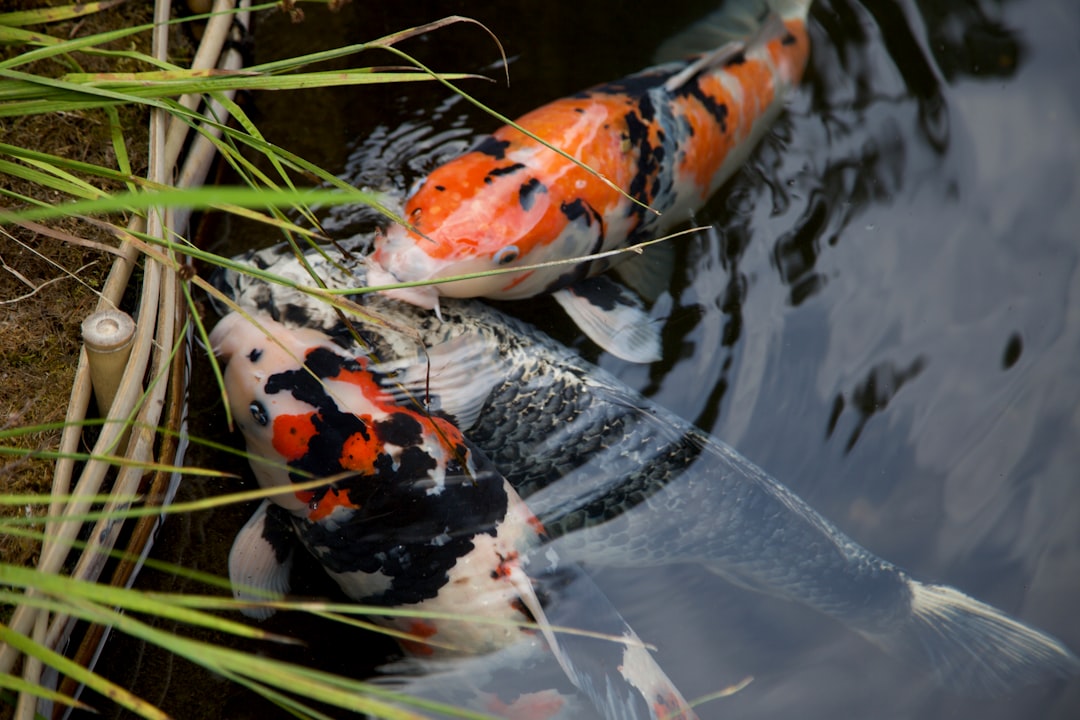
Ranchu carry the title of “king of goldfish” in Japan, and once you watch a top-grade specimen waddle through clear pond water you start to understand why. A thoughtful ranchu goldfish pond in Singapore needs gentle flow, clean parameters and the patience to develop the wen — the head growth that defines the variety. This guide from Gensou Aquascaping at 5 Everton Park covers pond depth, filtration, feeding and disease watch for ranchu kept in tropical Singapore conditions.
Identifying a Quality Ranchu
True ranchu show no dorsal fin, a deep round body with a high arch toward the tail, paired anal fins, and a developing wen across the head and gill plates. Carassius auratus selectively bred over centuries produced the form. Body shape and spinal arch matter more than wen size in show judging — long flat bodies with massive wens are often disqualified from competition.
Pond Depth and Footprint
Ranchu prefer 40-60 cm of pond depth — shallower than typical koi ponds. The shallow depth lets keepers view the dorsal silhouette from above (the traditional Japanese viewing angle). Stocking density of 1 fish per 80-100 litres provides comfortable swimming space. Avoid sharp pond edge rocks that catch the wen during rapid movement.
Filtration and Flow
Ranchu hate strong jets — their round bodies are inefficient swimmers and high flow exhausts them. Use gentle sponge filtration, low-RPM submerged pumps, and avoid powerful waterfall returns. Browse the pond equipment range for low-flow biological filters suited to fancy goldfish ponds. UV clarifiers help clear green water without disturbing the fish.
Wen Development Timeline
Wen growth happens between months 6 and 24 of life. Quality protein, clean water and stable parameters drive thicker wens; cloudy water and bacterial loads cause wen ulcers and pitting. The genetic ceiling matters most — fish from imported show lines develop full wens regardless, while pet-grade ranchu often stop at modest head growth.
Water Chemistry Targets
Aim for pH 7.0-8.0, GH 6-12, KH 4-7. Singapore PUB tap at GH 2-4 sits below the ideal range — buffer with crushed coral or limestone in the filter to lift hardness gradually. Temperature 24-30°C suits ranchu; the species copes with Singapore ambient although stocking density should be reduced during the hottest March-May stretch.
Feeding Strategy
Sinking pellets are mandatory — floating food triggers swim bladder problems in deep-bodied fancy goldfish. Hikari Saki Hikari Goldfish, Aquaforest Goldfish and JBL Goldfish Sticks all sink properly. Feed 2-3 times daily in small amounts. Soak pellets for 30 seconds before adding to soften the outer layer and reduce gas swallowing. The fish food range stocks all the standard sinking goldfish brands.
Swim Bladder Watch
Ranchu are prone to swim bladder disorder because of the deeply rounded body shape. Symptoms include floating sideways, sinking to the bottom, or struggling to maintain depth. First-line treatment: fast for 48 hours, raise temperature to 28°C if not already there, and feed deshelled cooked peas. Persistent cases often respond to broad-spectrum antibiotics from a vet — never self-medicate without diagnosis.
Tankmates
Always keep ranchu with their own kind or with similarly slow-swimming fancy goldfish. Single-tail goldfish like commons and comets outcompete them at feeding and damage their fins. Avoid koi entirely — koi will eat their food and stress them. A group of 4-6 ranchu in a 500-700 litre pond shows the social behaviour at its best.
Common Diseases
Watch for ich (white spot), columnaris (cotton-mouth), and bacterial gill disease. Quarantine new fish for 4-6 weeks before adding to the main pond. The water treatment shelf stocks proprietary aquarium salt, methylene blue and anti-bacterial treatments. Most ranchu disease problems trace to poor water quality rather than introduced pathogens.
Sourcing in Singapore
Iwarna Aquafarm, Polyart and C328 stock pet-grade ranchu at SGD 30-80 each. Show-grade ranchu from imported Japanese or Chinese lines run SGD 100-500+ per fish. Specialist Carousell breeders occasionally offload tategoi-grade fry at SGD 50-150 each. Inspect for symmetric body shape, clean wen growth and active swimming before buying.
Related Reading



