
Anubias FAQ: Rhizome Rot Light Flowering
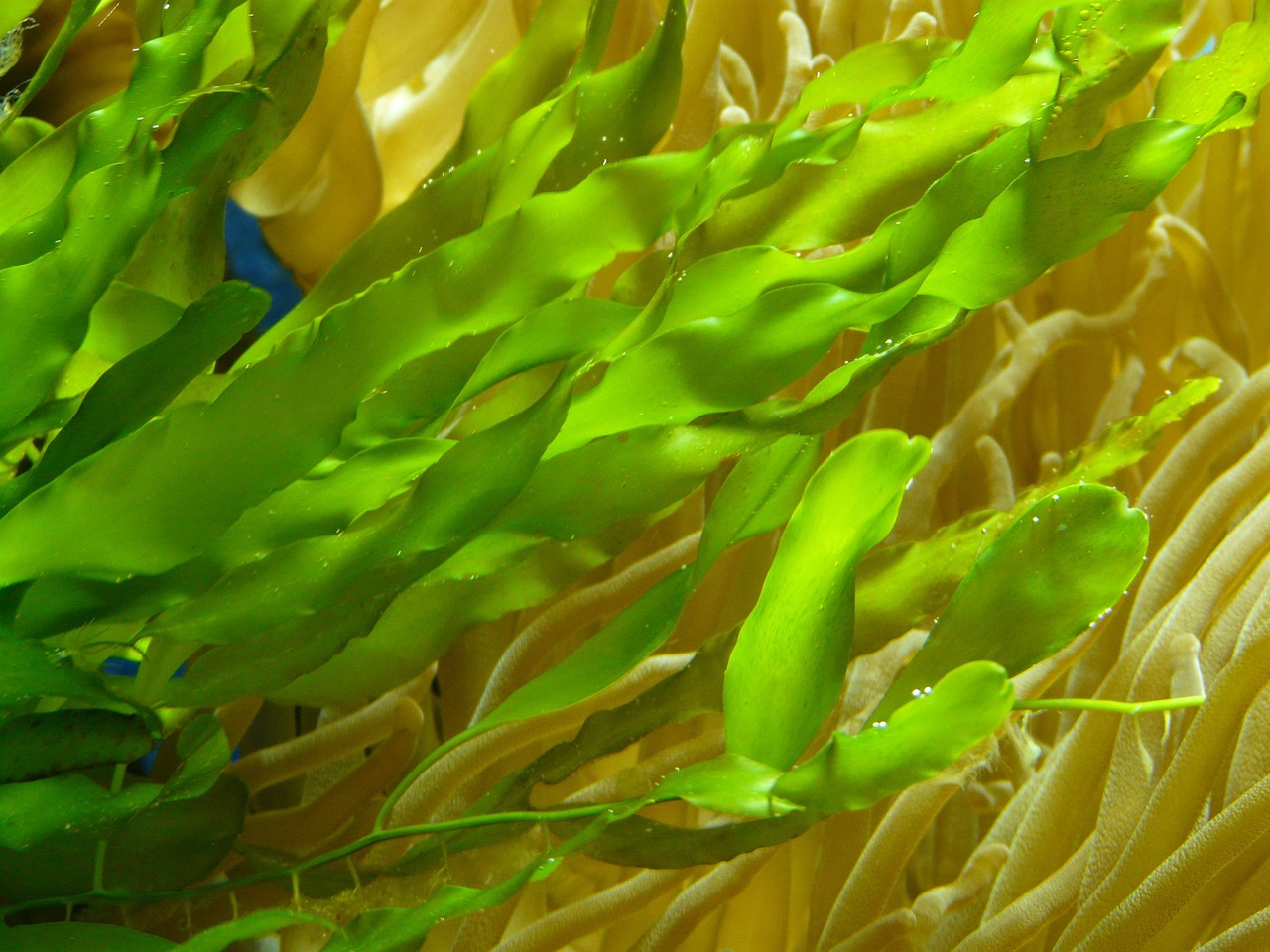
Anubias is the workhorse rhizome plant Singapore aquarists reach for when they want bulletproof greenery on driftwood. The anubias faq compiled below answers the eleven recurring rhizome rot, lighting and BBA questions that come over the bench at Gensou Aquascaping, 5 Everton Park, every week. Whether you keep Anubias barteri var. nana on a Seiryu stack or Anubias afzelii as a midground centrepiece, this guide answers the eleven questions Singapore aquarists ask most about anubias faq care and troubleshooting.
Why Is My Anubias Rhizome Turning Soft and Black?
Soft black rhizome is rot, almost always caused by burying the rhizome in substrate or by physical damage during planting. Once rot starts it spreads laterally along the rhizome within a week. Cut back to clean white-cream tissue with a sterile blade, dip the cut surface in water treatment hydrogen peroxide briefly, and re-attach to wood with the rhizome fully exposed. Healthy rhizome firmness should feel like a carrot.
How Much Light Does Anubias Tolerate?
Anubias prefers low to moderate light, around 20-40 PAR at the leaves. High intensity over 60 PAR triggers black beard algae on the leaves within weeks because anubias grows too slowly to outcompete it. Position anubias under shadow created by taller plants or beneath floating cover. In open-top Singapore tanks near windows, this matters even more — the ambient light bumps PAR significantly.
Why Are My New Anubias Leaves Melting?
Tissue-cultured or emersed-grown anubias melts when first submerged because the emersed leaves cannot survive underwater. The rhizome stays alive and pushes new submerged-form leaves within three to six weeks. Trim melted leaves at the rhizome to keep ammonia low and dose a complete liquid fert. Wholesale-import anubias from Indonesia or Sri Lanka often arrives in this transition state.
Does Anubias Need CO2?
No, anubias grows without CO2 — it is the canonical low-tech rhizome plant. CO2 injection from aquarium equipment speeds growth modestly but anubias remains slow regardless. Many planted-tank veterans deliberately keep anubias in low-tech corners specifically because adding CO2 to a slow grower invites algae. Liquid carbon supplements (Excel-type) work but burn anubias if overdosed.
What Anubias Varieties Are Easiest in Singapore?
Anubias barteri var. nana stays compact at 8-10 cm and is the staple beginner variety at SGD 8-15. Anubias barteri var. nana petite is the smallest cultivar at 3-5 cm and suits nano scapes. Anubias barteri standard reaches 25-30 cm for back corners. Anubias afzelii grows tallest with elongated leaves. All four tolerate Singapore PUB tap water (GH 2-4) without any adjustment.
Why Does My Anubias Have Black Tufts on Old Leaves?
Black tufts are black beard algae (BBA), a red algae that targets slow-growing plants under unstable CO2 or excess light. Spot-treat by dosing 1 ml of liquid carbon directly onto the BBA tufts with the filter off for 15 minutes — the algae turns red and Amano shrimp will eat the dead tufts within days. Long-term fix: reduce photoperiod to 7 hours and stabilise CO2 if injecting.
How Do I Propagate Anubias?
Anubias propagates by rhizome division. Once the rhizome reaches 8-10 cm with multiple growing tips, cut it cleanly between two leaf sets, ensuring each piece keeps four to six leaves and an active growth point. Tie or glue the divisions to fresh hardscape from the hardscape range. New rhizome growth resumes within four weeks. A mature mother plant divides safely once or twice a year.
Why Is My Anubias Flowering?
Anubias produces a small white spadix flower (similar to peace lily) when the plant is mature and conditions are stable. It is a sign of plant health, not a problem. The flower lasts seven to fourteen days underwater without producing viable seed, since pollination requires emersed conditions. You can trim the flower stalk to redirect energy back into leaf growth, or leave it for novelty.
Can Anubias Grow Out of Water?
Yes — anubias grows emersed in paludariums, terrariums and on dripwall walls, often more vigorously than submerged. Keep humidity above 80 per cent and the rhizome moist but not waterlogged. Many wholesale anubias arrive in Singapore grown emersed and only transition to submerged once sold. Emersed anubias also flowers more readily and may set viable seed.
Is Anubias Safe With Cichlids and Goldfish?
Yes, anubias leaves contain compounds that fish find unpalatable, making it one of the few plants compatible with African cichlids, oscars and goldfish. The thick, leathery leaves resist nibbling and the plant attaches to wood beyond the reach of digging cichlids. Glue is essential — large fish dislodge thread-tied anubias quickly. Pair it with java fern in any cichlid display.
Why Are My Anubias Leaves Yellow?
Yellow leaves indicate iron or potassium deficiency in established tanks, or natural senescence in older leaves at the rhizome’s tail end. Dose an iron-focused liquid fert twice weekly and check that the rhizome itself is firm and white-cream inside. If new leaves emerge yellow rather than green, deficiency is confirmed; if only the oldest two or three leaves yellow, it is age and trimming clears it.
Related Reading



