
Aquarium Coral Anatomy Glossary Guide: Polyp Mesoglea Skeleton
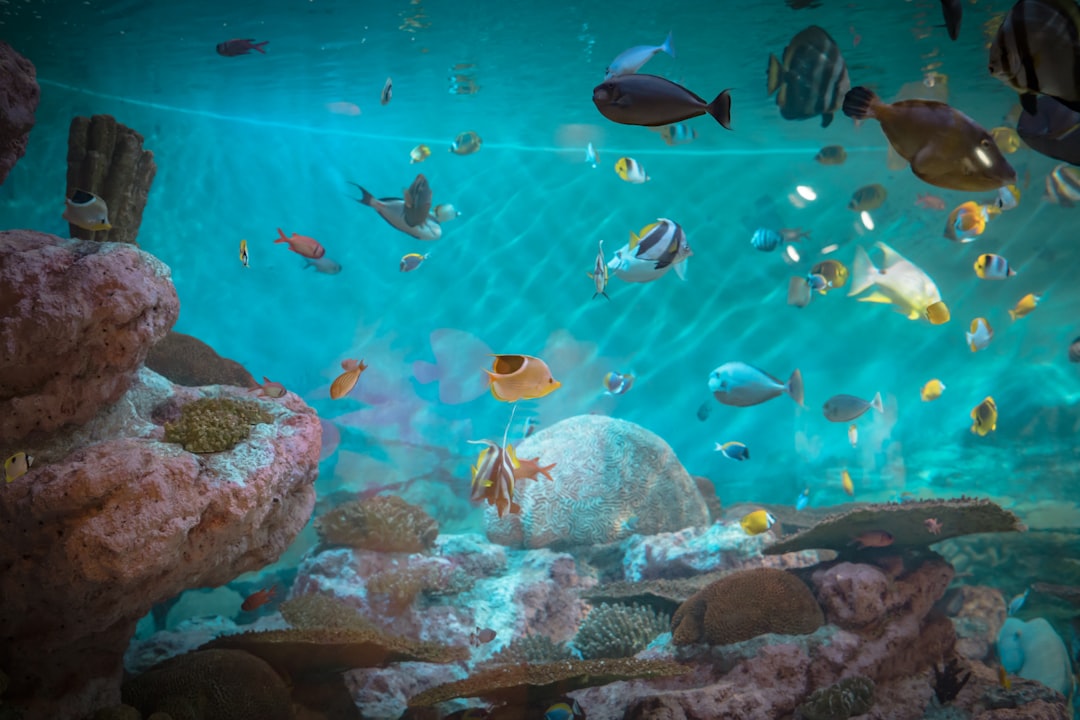
A reef coral is not a plant or a rock — it is a colony of soft-bodied animals living inside a calcium carbonate fortress they have built themselves. Understanding aquarium coral anatomy separates the photosynthetic feeders from the predatory ones, predicts which species need flow, light and dosing, and explains why a stressed coral retracts its tentacles within seconds. This glossary entry from Gensou Aquascaping at 5 Everton Park walks through aquarium coral anatomy from the single polyp out to the colony and the symbiotic algae living in its tissues.
Definition in 50 Words
Corals are cnidarian animals built around a basic polyp body plan: a hollow column with a single mouth opening, ringed by stinging tentacles, sealing into an internal digestive cavity. Stony corals secrete calcium carbonate skeletons; soft corals do not. Most reef corals host symbiotic zooxanthellae algae that supply 60-90 per cent of their nutrition.
The Polyp Body Plan
A single polyp is the structural unit. It comprises a cylindrical body (the column) topped by an oral disc with a central mouth, surrounded by tentacles in multiples of six (Hexacorallia — stony corals, anemones) or eight (Octocorallia — soft corals, gorgonians). The body wall has two cell layers — outer epidermis and inner gastrodermis — separated by a jelly-like middle layer. Even a 200-polyp colony is fundamentally a repetition of this single unit.
Tentacles and Nematocysts
Tentacles bear specialised cells called cnidocytes, each containing a coiled stinging organelle — the nematocyst. Triggered by touch and chemical cues, the nematocyst fires a barbed thread loaded with neurotoxin. This kills small zooplankton for direct ingestion and wards off competitors and predators. Sting strength varies — many SPS corals have weak stings, while euphyllia and elegance carry potent stings hazardous to inexperienced reefers handling without gloves.
Mesoglea: The Middle Layer
Between the outer epidermis and inner gastrodermis lies the mesoglea — a gelatinous layer of collagen and proteins. In stony corals it is thin; in mushrooms and other soft corals it can be substantial, providing the spongy tissue character. Mesoglea hosts skeletal scleractinian sclerites in some soft species and serves as a hydraulic skeleton for tentacle extension.
Mouth and Gastrovascular Cavity
Each polyp has a single opening that serves as both mouth and anus. Food captured by tentacles is transferred to the mouth, digested in the central gastrovascular cavity, and waste expelled through the same opening. This means the digestive system is “blind” — fed and emptied through one route. Visible mouth gaping is a feeding response; persistent gaping signals stress or inadequate flow.
Zooxanthellae: The Photosynthetic Partners
Within the gastrodermal cells live single-celled algae of the genus Symbiodinium — known as zooxanthellae. They photosynthesise sunlight (or LED light from the reef lighting range) and pass 60-90 per cent of the sugars produced to the coral host in exchange for nitrogen and shelter. Zooxanthellae give coral most of its colour. Loss of zooxanthellae under thermal or chemical stress produces bleaching — the visible white skeleton beneath transparent tissue.
Calcium Carbonate Skeleton
Stony (scleractinian) corals secrete a calcium carbonate skeleton in aragonite form. The polyp sits inside a cup called the corallite, with skeletal walls and septa radiating inward like spokes. Skeletal architecture is species-specific and is the primary palaeontological identifier. Soft corals lack rigid skeletons and rely on hydraulic pressure and embedded sclerites for shape.
Colony vs Solitary Forms
Most reef-building corals are colonial — single polyps reproduce asexually by budding, creating colonies of thousands of genetically identical polyps sharing connected tissue (coenosarc). Solitary corals like fungia (plate coral) and some open brains exist as single large polyps. Colonial growth forms include branching (acropora), encrusting (montipora), massive (porites), foliose (turbinaria) and submassive types — each demanding different flow patterns from circulation pumps.
Reproduction
Corals reproduce both sexually and asexually. Sexual reproduction occurs via mass spawning events — colonies release gametes synchronously into the water, often around full moon. Asexual reproduction includes budding (new polyp from existing tissue), fragmentation (broken pieces regrow) and polyp bailout (stressed polyps detach). Hobbyist propagation relies on fragging — deliberate fragmentation onto plug bases.
Singapore Reef Tank Notes
Reef-grade corals demand stable parameters far tighter than freshwater tanks. Calcium 420-440 ppm, alkalinity 8-10 dKH, magnesium 1300-1400 ppm, salinity 1.025 SG, temperature 24-26°C. Singapore’s tropical ambient pushes display tanks toward overheating — a chiller from the chiller range is non-negotiable. PUB tap is unsuitable; only RODI water plus reef salt mix should ever enter the system.
Related Reading



