
Aquarium Shrimp Anatomy Glossary Guide: Carapace Pleopod Antennae
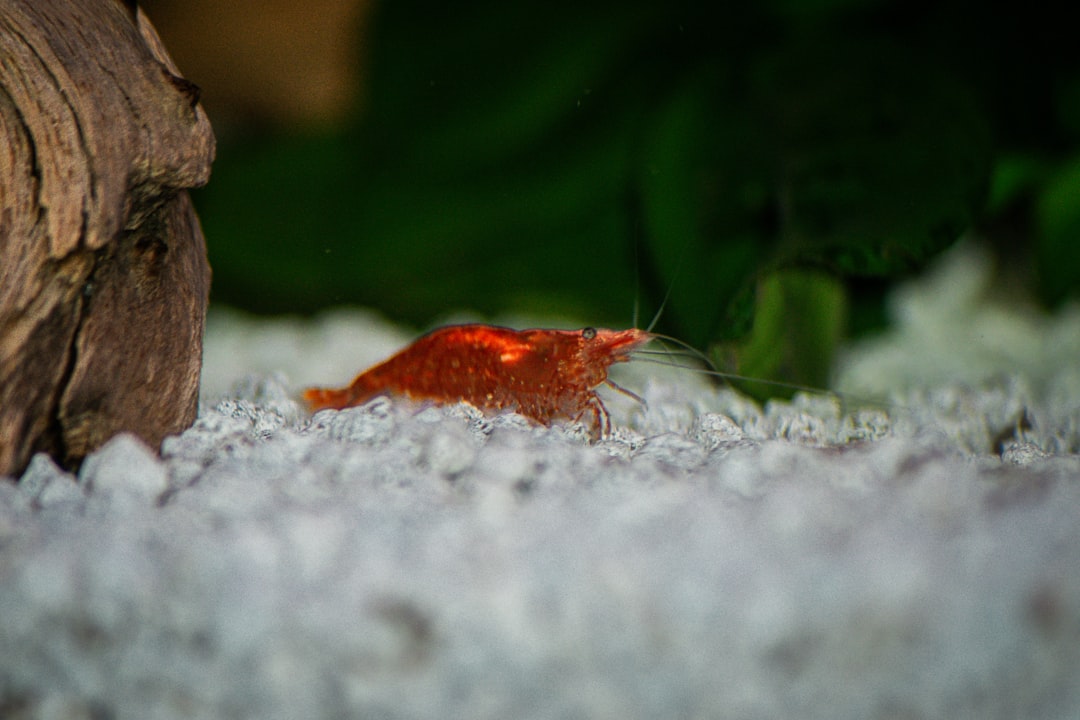
A neocaridina or caridina shrimp is a marvel of compact engineering — sensory feelers, walking legs, swimming legs, brood-carrying paddles and a hinged armoured shell, all packed into a body 25 mm long. Reading aquarium shrimp anatomy turns moult anxieties, breeding signals and disease symptoms into clear diagnostic checks. This glossary entry from Gensou Aquascaping at 5 Everton Park walks through every visible feature of aquarium shrimp anatomy, the moult cycle, and how to spot a berried female.
Definition in 50 Words
Shrimp body plan splits into two regions: the cephalothorax (head + thorax fused under one carapace) and the abdomen (six segmented sections plus a tail fan). Five paired pereiopods walk; five paired pleopods swim or carry eggs. Two pairs of antennae provide sensory input, while the rostrum projects forward as a defensive spine.
Carapace and Cephalothorax
The carapace is the rigid chitinous shield covering the head and thorax. It encloses the gills, heart, hepatopancreas (combined liver and pancreas), stomach and reproductive organs. A clear or amber stripe along the dorsal midline of neocaridina is the digestive tract visible through translucent cuticle. Faded or patchy carapace colour signals stress, copper exposure or moult issues.
Abdominal Segments and Tail
The abdomen has six clearly hinged segments terminating in the telson (central tail blade) flanked by paired uropods that form a functional fan. Together they power the rapid backward escape flick. Each abdominal segment carries a pair of pleopods underneath. The intersegmental membranes are thin and vulnerable — handling shrimp by the abdomen tears them.
Antennae and Sensory Hairs
Two pairs of antennae cover sensory input. The shorter inner pair (antennules) carry chemoreceptors for smelling food and pheromones. The longer outer antennae provide mechanical and tactile sensing — a shrimp will probe a leaf or fellow shrimp with these long whips. Damaged antennae regenerate at each moult but full length takes 2-3 cycles.
Rostrum and Eyes
The rostrum is the forward spine projecting between the eyes — a defensive feature against predators and a structural anchor for the antennae. Eye structure is compound, mounted on short stalks. Counting rostrum spines is a species-level identification tool: Neocaridina davidi typically has 6-7 dorsal teeth and 1-2 ventral, while Caridina multidentata (Amano shrimp) has more pronounced dentition. The shrimp range at Gensou stocks both groups.
Pereiopods and Pleopods
Five pairs of pereiopods (walking legs) attach to the thorax. The first two pairs end in small chelae (pincers) for grooming and food handling. The remaining three pairs are slender walking legs. Five pairs of pleopods (swimmerets) attach to the abdomen — used for steady swimming and, in females, for carrying eggs. The mismatched orientation tells the two leg sets apart at a glance.
Berried Females and Egg Carrying
A “berried” female carries fertilised eggs cemented to her pleopods under the abdomen, often visible as a yellow, green, blue or brown cluster depending on species and feed. Neocaridina females typically carry 20-30 eggs for 25-35 days at 24-26°C. Caridina take longer and are more sensitive to parameter shifts. Saddle markings on the dorsal carapace signal the female is producing eggs ahead of moult-mating.
The Moult Cycle
Shrimp grow by shedding their entire chitinous exoskeleton roughly every 4-6 weeks at adult size, more frequently as juveniles. The moult is a vulnerable event — 24 hours of soft cuticle while the new shell hardens. Calcium and trace minerals from the water care range support successful moults; a sudden parameter shift mid-moult often kills. Spent exoskeletons left in the tank are eaten by tankmates and recycled for chitin.
Hepatopancreas and Digestive Tract
The hepatopancreas sits behind the eyes, visible as a yellow-orange organ through the carapace. It functions as both liver and pancreas, secreting digestive enzymes and storing nutrients. A shrunken or pale hepatopancreas signals starvation, infection or copper poisoning. The digestive tract runs from mouth through the dorsal midline as the visible “stripe” — a full stripe indicates active feeding, an empty stripe signals fasting or illness.
Singapore Keeper Notes
PUB tap water at GH 2-4 is too soft for shrimp moulting and breeding. Add a remineraliser — Salty Shrimp GH/KH+ for caridina, GH+ for neocaridina — to push GH to 4-6 (caridina) or 6-8 (neocaridina). Test with a quality kit from the testing range. Tropical 28°C ambient suits both groups but reduces oxygen — keep airstone flow steady, especially during moult periods.
Related Reading



