
Aquarium Snail Anatomy Glossary Guide: Operculum Radula Mantle
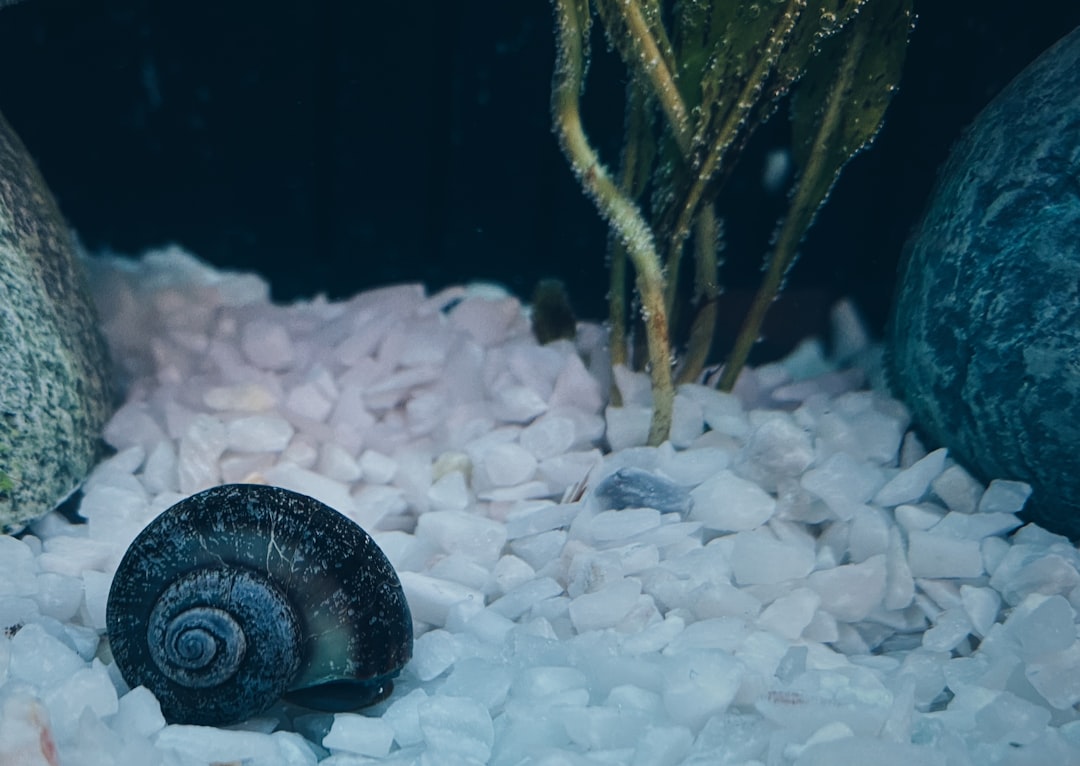
Aquarium snails are often dismissed as pests until their unique biology is understood — they breathe through gills or lungs, scrape biofilm with a tongue full of microscopic teeth, and can seal themselves behind a hatch when conditions turn hostile. Aquarium snail anatomy is the missing context that turns a Malaysian trumpet snail invasion into a substrate aeration service and a nerite into a controlled algae-grazing crew. This glossary entry from Gensou Aquascaping at 5 Everton Park covers the visible parts of aquarium snail anatomy and how each maps to husbandry decisions.
Definition in 50 Words
Snails are gastropod molluscs with a soft body protected by a calcium carbonate shell secreted by the mantle. The body comprises a muscular foot for locomotion, a head with sensory tentacles and eyes, a visceral mass containing organs, and either gills or a primitive lung for respiration. A radula serves as a feeding tongue.
The Shell and Whorls
The shell grows in a continuous spiral, adding new whorls at the wider opening (aperture) as the snail matures. Counting whorls and measuring spire height gives quick species identification — nerites have low-spired hemispheric shells, while trumpet snails (Melanoides tuberculata) have tall conical shells with 8-10 whorls. Shell colour and pattern come from pigments laid down during growth; bands record nutritional history.
Mantle and Shell Production
The mantle is a tissue layer lining the inside of the shell. It secretes calcium carbonate (in aragonite or calcite form) at the shell margin, slowly extending the spiral. Mantle damage shows as pitted or eroded shell margins — common in soft PUB water lacking calcium. Boost calcium availability with mineral additives from the water care range or crushed cuttlebone in the tank.
Operculum
Many snails carry an operculum — a horny or calcareous “door” attached to the foot that seals the shell aperture when withdrawn. Mystery snails, nerites and trumpet snails have functional opercula. Pulmonate snails (ramshorn, bladder) lack one. The operculum is the snail’s primary defence against predators and dehydration during temporary water-loss events. A snail unable to fully withdraw and seal indicates muscle fatigue, copper poisoning or end-of-life.
Foot and Locomotion
The foot is the muscular underside, covered in mucus-secreting cells. Snails move by waves of muscle contractions — easily visible against glass under the aquarium lighting range. The mucus trail provides traction and contains chemical cues other snails track. A pale, stretched foot indicates dehydration; a red or inflamed foot suggests bacterial infection.
Radula: The Rasping Tongue
The radula is a ribbon of microscopic chitinous teeth on the floor of the mouth, used to scrape biofilm, algae and soft plant matter. The teeth wear down at the front and grow continuously from the back, like a conveyor belt. Tooth shape varies by diet — herbivores have flat scrapers; carnivorous assassin snails (Anentome helena) have grasping spike teeth for impaling prey snails.
Eye Stalks and Sensory Tentacles
Two pairs of tentacles extend from the head. The longer pair carry simple eyes at the tips (in pulmonates) or at the base (in prosobranchs like nerites). Vision is limited to light/dark detection. The shorter tentacles handle chemical and tactile sensing. A snail probing a new food source with the short tentacles is checking for taste before committing the radula.
Pulmonate vs Gilled Snails
Two breathing strategies dominate the hobby. Pulmonate snails (ramshorn, bladder, pond) have a primitive lung formed from the mantle cavity — they surface to gulp air. Prosobranch snails (nerite, mystery, trumpet) have true gills inside the mantle cavity, drawing water through a siphon. Pulmonates handle low-oxygen conditions better; gilled species need well-oxygenated tanks supported by the aeration range.
Reproduction Strategies
Reproduction varies dramatically. Bladder and ramshorn snails are simultaneous hermaphrodites — any two adults can produce viable eggs, which is why a single snail in shipping can found a whole colony. Mystery snails are sexual with separate males and females, laying pink egg clutches above waterline. Nerites need brackish water to hatch their eggs, so they never plague a freshwater tank. Malaysian trumpet snails are parthenogenic livebearers — females reproduce without males.
Singapore Tank Application
Soft PUB water at GH 2-4 erodes shells over months. Add a small piece of cuttlebone, crushed coral in the filter, or a calcium remineraliser to push GH to 6-8 dGH for healthy snails. Tropical 28°C ambient accelerates breeding for pulmonates — a single mystery snail clutch can produce 200+ juveniles. Stock assassin snails or yo-yo loaches from the freshwater fish range for biological pest control rather than copper-based remedies that wipe out shrimp simultaneously.
Related Reading



