
Aquarium Fish Colour Enhancement: Diet, Light and Water for Vivid Hues
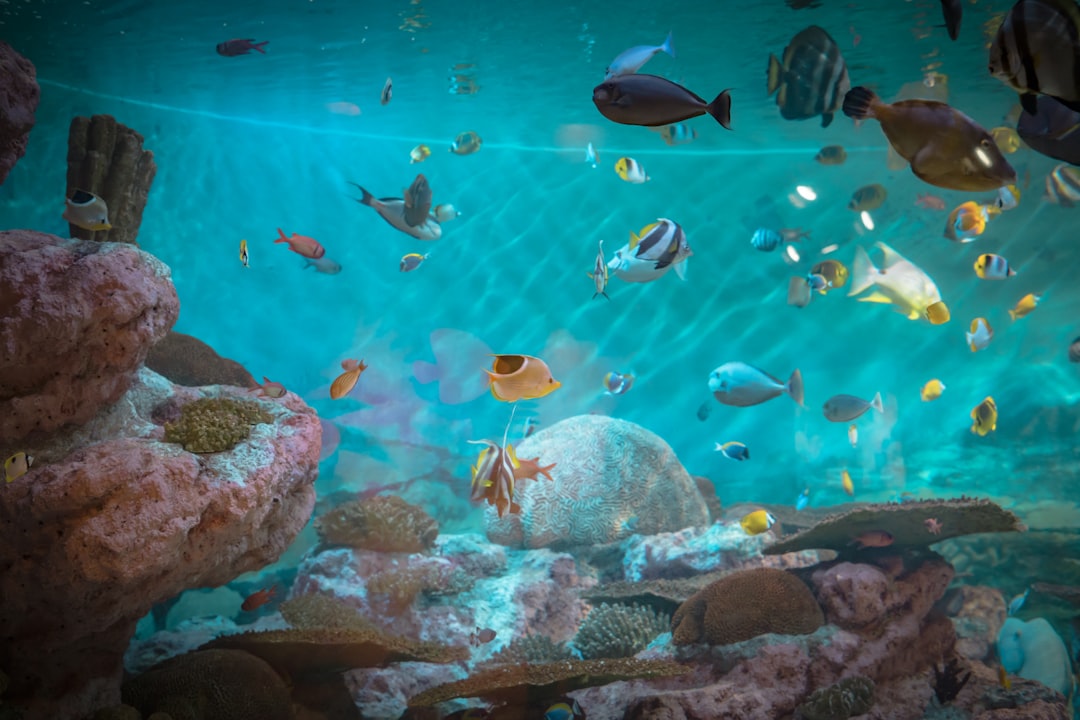
Brilliant colour is often the reason we fall in love with a particular fish, yet many hobbyists watch their vibrant new purchase fade to a pale shadow within weeks of reaching home. The difference between a washed-out fish and a stunning one usually comes down to three factors: diet, lighting and water quality. Understanding fish colour enhancement diet strategies and environmental adjustments unlocks the genetic potential already present in your fish. At Gensou Aquascaping, 5 Everton Park, Singapore, we have spent over 20 years refining these techniques across hundreds of species.
How Fish Colour Works
Fish produce colour through specialised cells called chromatophores, which contain pigments in several categories. Carotenoids create reds, oranges and yellows. Melanin produces blacks and browns. Iridophores use structural reflection rather than pigment to generate blues, greens and metallic sheens. Fish cannot synthesise carotenoids from scratch; they must obtain them from food. This is why diet is the single most powerful tool for enhancing warm-toned colours, while lighting and background choices affect how structural colours appear to the viewer.
Carotenoid-Rich Foods
Astaxanthin is the king of colour-enhancing carotenoids. Naturally present in brine shrimp, krill and certain algae like Haematococcus pluvialis, astaxanthin intensifies reds and oranges dramatically. Feed frozen or live brine shrimp two to three times per week as a colour supplement. Spirulina-enriched flakes and pellets provide a daily source of mixed carotenoids. Brands like Hikari, New Life Spectrum and Northfin include colour-enhancing formulas with added astaxanthin. Expect visible results within two to four weeks of consistent feeding.
Blanched carrot, red bell pepper and paprika mixed into homemade gel food are natural alternatives. Some Singapore breeders swear by adding a pinch of pure paprika powder to a batch of Repashy gel food for their discus and cichlids.
Protein and Overall Nutrition
Colour enhancement is not just about carotenoids. Malnourished fish look dull regardless of supplements. A balanced diet with adequate protein supports healthy chromatophore development and overall vitality. Vary the diet between high-quality pellets, frozen foods and live foods. Bloodworms, daphnia, mysis shrimp and chopped prawns provide protein variety. Single-food diets lead to nutritional deficiencies that manifest as faded colours, poor fin condition and reduced activity. Feed two to three different food types across each day.
Lighting for Colour Display
The spectrum of your aquarium light profoundly affects how colours appear. Full-spectrum LED lights in the 6,500K to 8,000K range reproduce natural daylight and render fish colours accurately. Lights with enhanced red and blue wavelengths, common in planted tank LEDs, make red fish appear deeper and blue fish more vivid. Avoid excessively cool or warm colour temperatures, which wash out certain hues. Lighting duration of 8 to 10 hours daily with a gradual ramp-up and ramp-down simulates natural conditions and encourages fish to display their full colouration.
Background colour matters too. A black background makes almost every fish colour pop, while a white or light blue background washes out most species. Dark substrates achieve a similar effect from below.
Water Quality and Chemistry
Stress is the enemy of colour. Elevated ammonia, nitrite or nitrate triggers chromatophore contraction, making fish appear pale. Maintain ammonia and nitrite at zero and nitrate below 20 ppm through regular water changes. In Singapore, PUB tap water is soft and slightly acidic, which suits most colour-enhancing protocols. Tannins from Indian almond leaves or driftwood add a warm amber tint to the water that deepens the appearance of red and gold fish while creating a natural-looking environment. A weekly 25 per cent water change keeps parameters stable without shocking the fish.
Reducing Stress for Better Colour
Overcrowding, aggressive tankmates and constant disturbance cause chronic stress that suppresses colouration. Provide adequate hiding spots so subordinate fish feel secure. Maintain stable routines for lighting, feeding and maintenance. Temperature fluctuations beyond 2 degrees Celsius stress tropical fish; in air-conditioned Singapore rooms, a heater set to 26 degrees stabilises things overnight. Fish that feel safe and comfortable display their brightest colours naturally, without any dietary intervention needed.
Species-Specific Tips
Discus respond exceptionally well to beef heart-based gel foods enriched with astaxanthin, though overuse can cause digestive issues. Betta splendens benefit from regular frozen bloodworm feedings and a dark substrate. Neon and cardinal tetras display their iridescent blue stripe most vividly under subdued lighting with tannin-stained water. African cichlids from Lake Malawi need spirulina-heavy diets to maintain their blues and yellows. Freshwater shrimp like cherry shrimp grade up in colour intensity when kept on dark substrate with mineral-supplemented water.
Patience Over Quick Fixes
Avoid artificial colour enhancers or hormones sometimes used by commercial breeders to temporarily boost colour in fish before sale. These effects fade within weeks and can harm the fish’s liver and kidneys long-term. Genuine colour enhancement is a gradual process built on proper nutrition, optimal water quality and low stress. Give your fish four to six weeks of consistent care before judging results. The colours that emerge through good husbandry are sustainable, stable and far more satisfying than any shortcut.
Related Reading
- Guppy Genetics and Colour Inheritance: Selective Breeding Explained
- How to Fix Aquarium Plants Losing Colour: Diagnosis Guide
- How to Keep Shrimp Colour Vibrant: Diet, Substrate and Genetics
- How to Get Ludwigia Palustris Super Red: Light and Iron Tips
- How to Get Rotala Wallichii to Turn Pink: Light, CO2 and Iron Tips
Diet shapes more than colour in some fish; for a species where feeding directly affects condition and contrast, read our Zebra Pleco L46 diet guide.



