
How to Fix Aquarium Plants Losing Colour: Diagnosis Guide
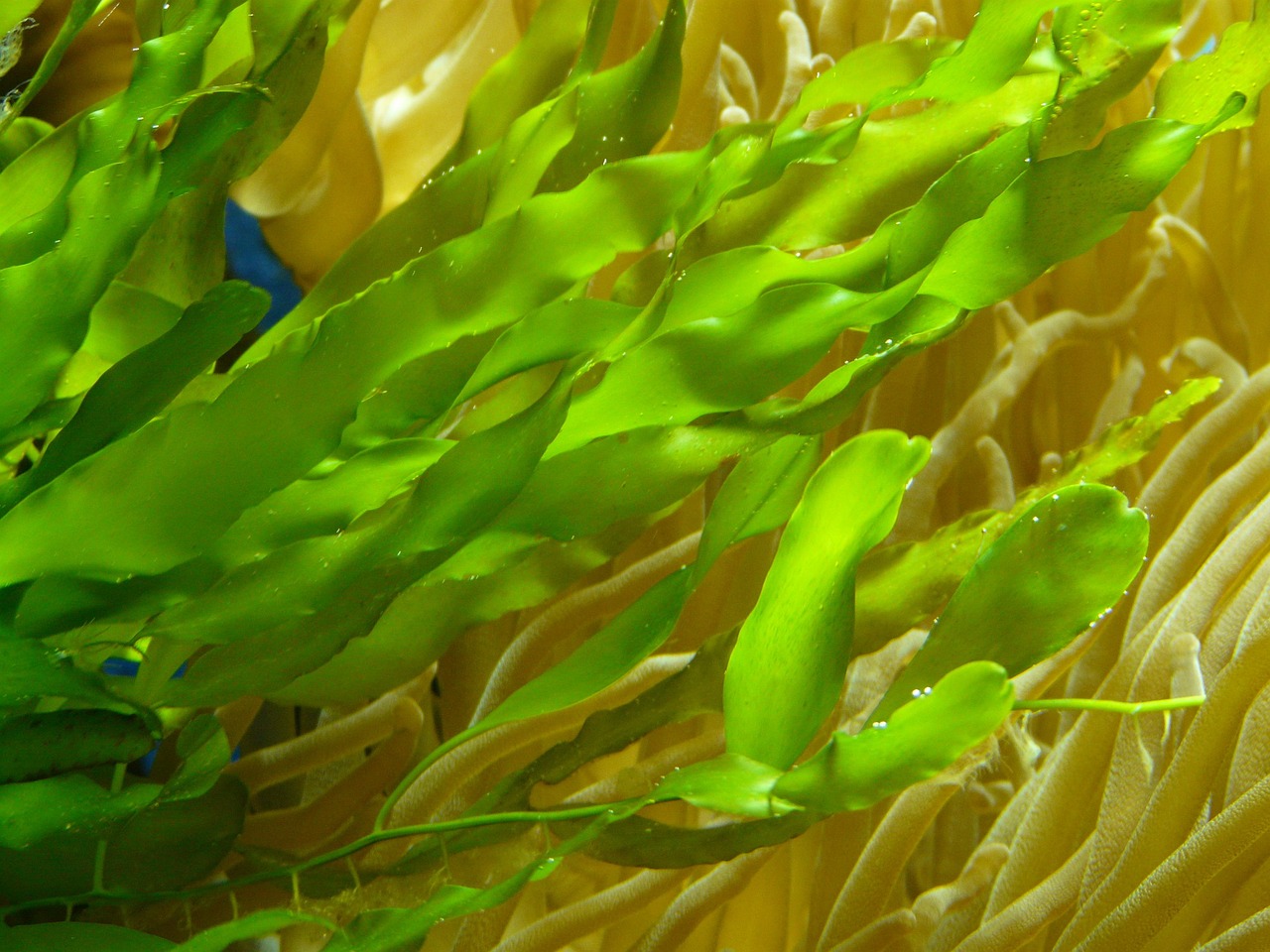
A planted aquarium where the greens are fading to yellow and the reds have turned pale orange is a common and disheartening sight — and almost always a symptom of a correctable problem rather than an unsolvable mystery. Aquarium plants losing colour is one of the most frequent concerns raised by Singapore hobbyists, and the challenge lies in correct diagnosis before reaching for a bottle of fertiliser. This fix aquarium plants losing colour guide from Gensou Aquascaping at 5 Everton Park, Singapore walks through the most common causes systematically, so you can identify and fix the actual issue rather than guessing.
Step One: Is the Problem New Growth or Old Leaves?
Before anything else, identify where on the plant the colour loss is occurring. Deficiency symptoms on new growth (the top of stem plants, the newest leaves on rosette plants) point to mobile nutrients — primarily iron, manganese, or other micronutrients that the plant cannot translocate from old tissue to new. Colour loss on old leaves while new growth looks healthy points to mobile macronutrients — primarily nitrogen (N) and magnesium (Mg) — which the plant can remobilise from old tissue to support new growth. Getting this distinction right narrows the diagnosis immediately.
Nitrogen Deficiency: The Most Common Cause of Yellowing
Nitrogen deficiency produces pale yellow to cream colouration, starting with older leaves and progressing up the plant. Plants look generally washed out across all colours, not selectively pale in one zone. In a community aquarium with moderate fish stocking and regular feeding, nitrogen is rarely deficient because fish waste provides a continuous nitrogen source. In a low-fish planted tank or a heavily planted system with large weekly water changes, nitrogen can become genuinely limiting. Test with a quality nitrate test kit — levels consistently below 5 ppm suggest deficiency. Dose a nitrogen-containing liquid fertiliser or increase feeding slightly.
Iron Deficiency: The Classic Red-Plant Problem
Red and pink aquarium plants — Rotala, Ludwigia, Alternanthera — require significantly more iron than green plants to produce anthocyanin pigments that create their colour. Iron deficiency first appears as yellowing between the veins of new leaves (interveinal chlorosis), with the veins themselves remaining green. Advanced deficiency turns new growth pale yellow to near-white. Iron is chelated in most liquid fertilisers and should be dosed regularly in the late afternoon, just before the peak of the lighting period. In Singapore’s soft PUB water, iron tends to stay in solution well — but CO2 levels affect iron uptake, so a deficiency symptom in a CO2-injected tank may actually be a CO2 consistency problem rather than a true iron shortage.
Insufficient Light
Low light bleaches colour from both green and red plants, but the effect is most dramatic on red species. Under insufficient light, red plants revert to green as they reduce anthocyanin production (which is metabolically expensive) in favour of maximising chlorophyll. If your reds have turned entirely green and new growth is pale rather than vibrant, evaluate your lighting: measure PAR at the substrate level using a PAR meter app (several free smartphone apps give reasonable approximations), and check whether your light is old — LED efficiency does degrade over years of use. Increasing photoperiod helps only up to a point; ten hours is generally the maximum before algae risk increases.
CO2 Deficiency in Injected Tanks
In pressurised CO2 setups, inconsistent CO2 delivery causes colour fluctuations that can look like nutrient deficiency. Plants starved of CO2 cannot photosynthesise efficiently regardless of nutrient levels, leading to pale, slow-growing specimens. Check your CO2 drop checker maintains a consistent green throughout the photoperiod — yellow indicates too much CO2, blue indicates too little. A fluctuating drop checker colour (often blue at lights-on, green mid-day, then blue again at lights-off) indicates the CO2 is running out or the diffuser is inefficient. Consistent CO2 delivery often resolves colour loss within two to three weeks of correction.
Potassium and Magnesium: The Overlooked Pair
Potassium deficiency presents as pinhole lesions in leaves that progress to larger brown holes, often with yellowing at leaf margins. Magnesium deficiency looks similar to nitrogen deficiency but typically appears on mid-aged rather than oldest leaves first. Both are under-diagnosed in tanks using incomplete fertiliser regimes. A comprehensive all-in-one liquid fertiliser addresses both; alternatively, dose magnesium sulphate (Epsom salt, available from pharmacies across Singapore) at 0.5 g per 100 litres weekly if magnesium deficiency is suspected.
Troubleshooting Order
Start with light — it is free to optimise and the most fundamental variable. Then check CO2 consistency if you are running injection. Next, evaluate your fertiliser regime against the symptoms described above. Test water parameters if you have not done so recently; a pH crash or unexpected hardness change affects nutrient availability significantly. Only after ruling out these causes should you consider plant disease or genetic variation as explanations. At Gensou Aquascaping, over twenty years of working with Singapore hobbyists has taught us that lighting and CO2 account for the majority of plant colour problems — fertiliser deficiencies are the third cause, not the first.
Related Reading



