
How to Keep Shrimp Colour Vibrant: Diet, Substrate and Genetics
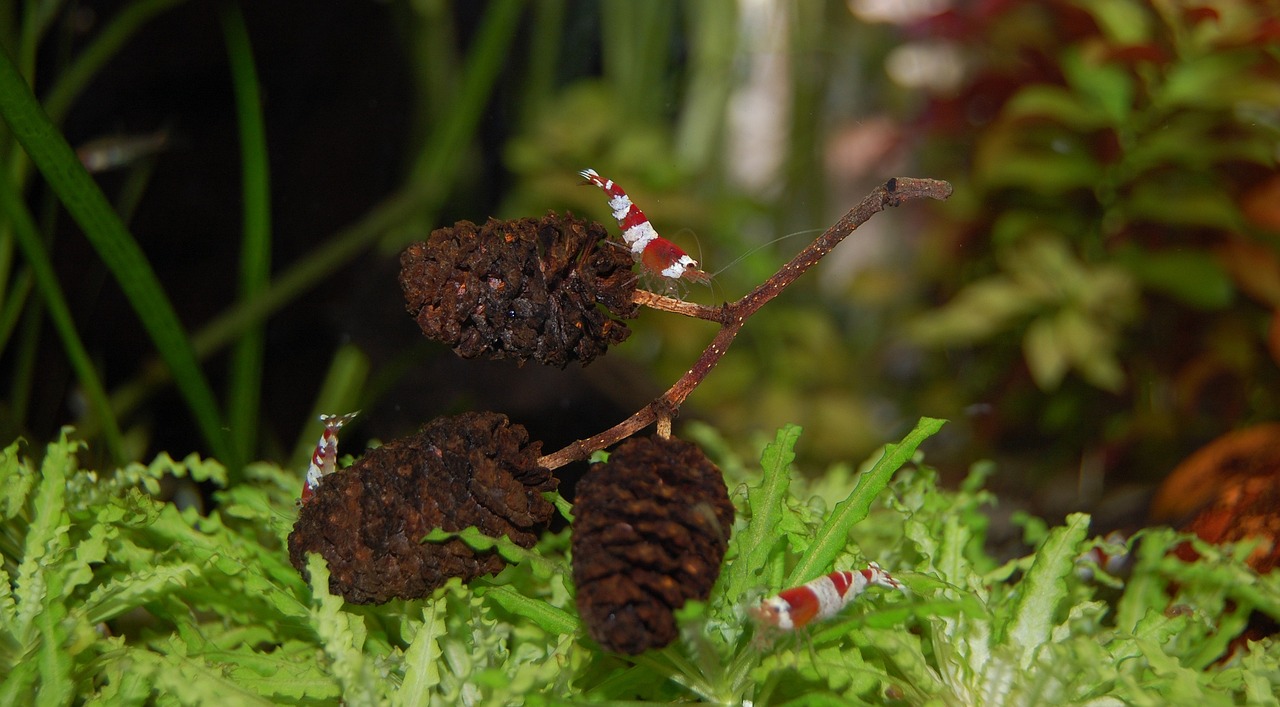
Vibrant, intensely coloured shrimp are the crown jewels of any nano tank, yet many keepers notice their shrimp fading within weeks of purchase. Learning how to keep shrimp colour vibrant involves understanding the interplay between genetics, nutrition, and environment. At Gensou Aquascaping in Singapore, we have kept and bred Neocaridina davidi and Caridina species for over 20 years, and colour intensity is one of the most common concerns hobbyists bring to us at our 5 Everton Park studio.
Genetics Set the Ceiling
No amount of perfect water or premium food will turn a low-grade Cherry Shrimp into a Painted Fire Red. Colour grading in Neocaridina ranges from transparent Cherry through Sakura to Fire Red and Painted Fire Red, with each grade representing generations of selective breeding. When purchasing shrimp, buy from breeders who cull ruthlessly. Expect to pay $2-5 per piece for high-grade Neocaridina in Singapore and $8-20 for quality Crystal Red or Taiwan Bee lines.
Substrate Contrast Matters
Shrimp adjust their pigment intensity partly in response to their surroundings. Dark substrates like black aquasoil or dark lava rock granules encourage shrimp to deepen their colouration as a natural camouflage response. Place red shrimp on ADA Amazonia or Tropica Aquarium Soil and you will notice darker, richer reds within days. Conversely, white sand substrates often cause shrimp to pale noticeably. This is a reversible, hormonal response rather than a genetic change.
Diet for Intense Pigmentation
Astaxanthin is the carotenoid pigment responsible for red and orange hues in shrimp. Feed foods rich in this compound two to three times per week. Spirulina wafers, blanched carrot slices, and dedicated shrimp foods containing astaxanthin all contribute. Rotate between a quality staple pellet, mineral-rich foods like Bacter AE for biofilm, and vegetable matter such as blanched spinach. Overfeeding is worse than underfeeding for shrimp, so offer only what the colony consumes within two hours.
Water Parameters and Stability
Stress washes colour out faster than anything else. For Neocaridina, Singapore’s PUB tap water at GH 2-4 is slightly softer than ideal. Remineralise with Salty Shrimp GH+ to reach GH 6-8 for best results. Temperature stability matters enormously; fluctuations greater than 2 degrees C within a day trigger stress responses. In our tropical climate, tanks near windows or air-conditioning units often experience problematic swings. Keep tanks away from direct sunlight and draughts. Aim for a steady 24-26 degrees C, which may require a small fan in un-airconditioned HDB flats during warmer months.
Selective Culling and Line Breeding
Maintaining colour across generations requires removing poorly coloured individuals from the breeding colony. Set up a separate cull tank, even a simple 10-litre container with a sponge filter works. Every month, net out any shrimp showing translucent patches, wild-type colouration, or uneven coverage. This prevents colour regression over successive broods. For more advanced keepers working with Caridina, line breeding specific patterns like Crystal Red SSS grade demands isolating the best specimens into dedicated breeding setups.
Lighting and Viewing Angle
Good lighting reveals colour that dim setups hide. A 6500K to 8000K LED running at moderate intensity for eight hours daily shows reds and blues at their best without promoting excessive algae. Position your light directly above the tank rather than at an angle. Viewing against a dark background, whether a painted tank back panel or a black film, dramatically improves how vivid shrimp appear. This is especially effective when photographing your colony for sale listings on Carousell or Shopee.
Common Mistakes That Fade Colour
Copper in fertilisers is toxic to shrimp and causes stress-related fading before it causes death. Use shrimp-safe fertilisers or dose cautiously in planted shrimp tanks. Mixing colour morphs, such as red and blue Neocaridina, produces dull wild-type offspring within two generations. Keep colour lines separate. Overcrowding beyond 10 shrimp per litre increases competition and stress, leading to paler individuals across the colony. With patience, proper genetics, and stable conditions, your shrimp will display colour that rivals anything in a breeder’s photo tank.
Related Reading



