Aquarium for Children’s Hospital Wards: Healing Through Nature
For a child in hospital, the days can be long, frightening, and monotonous. An aquarium in the ward changes that — it gives young patients something alive and beautiful to focus on, a distraction from procedures, and a reason to walk to the common area. This aquarium children hospital ward guide from Gensou Aquascaping at 5 Everton Park, Singapore, explains how to design, stock, and maintain a display that is safe, engaging, and genuinely therapeutic for paediatric environments.
Why Aquariums Work in Paediatric Settings
Children respond powerfully to living things. Studies in paediatric psychology have shown that aquariums reduce pre-procedure anxiety in children by up to 18% compared to standard waiting environments. Young patients who spend time watching fish report lower pain scores, better mood, and increased willingness to cooperate with medical staff.
The aquarium also serves as neutral territory — a conversation starter between children who might otherwise sit in isolated silence. Shared wonder is a surprisingly effective social connector, even among kids who have never met before.
Safety Is Non-Negotiable
Hospital wards have strict safety requirements. The tank must be fully enclosed with a lockable lid — children will try to touch the water, drop toys in, or climb furniture to reach the top. All electrical connections need hospital-grade safety compliance, including RCD protection and tamper-proof cable routing. Position the tank away from medical gas outlets, crash carts, and high-traffic clinical areas.
Use tempered glass or acrylic construction. Acrylic is lighter and virtually shatterproof, making it the preferred choice for paediatric environments. A built-in or wall-recessed installation eliminates exposed edges and stand legs entirely.
Choosing Fish That Captivate Children
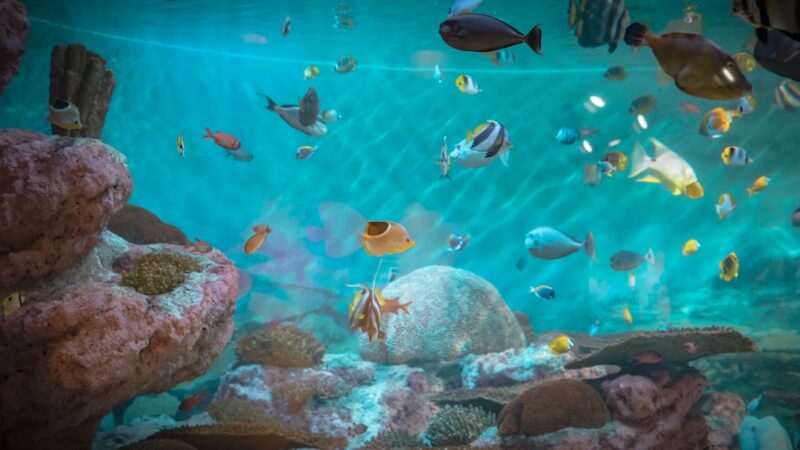
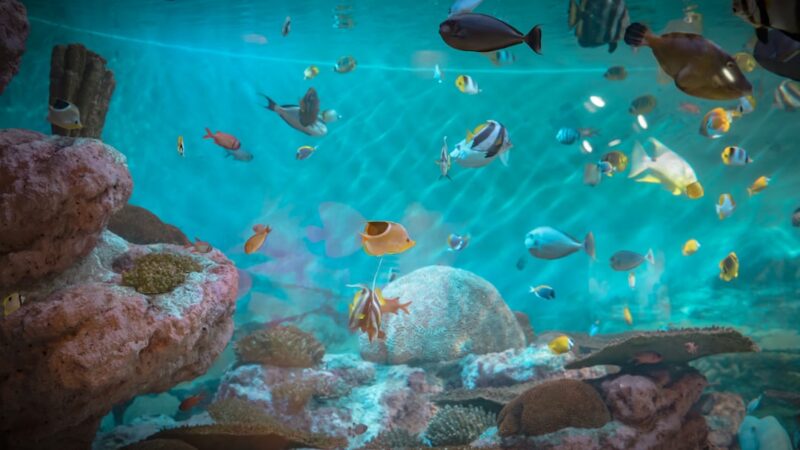
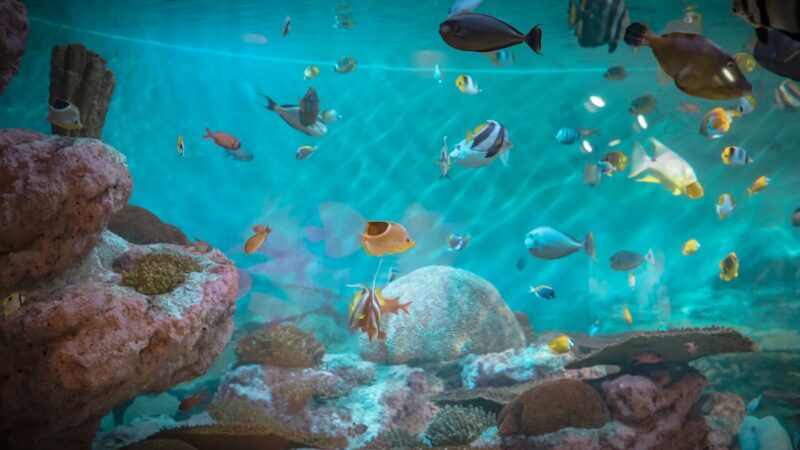
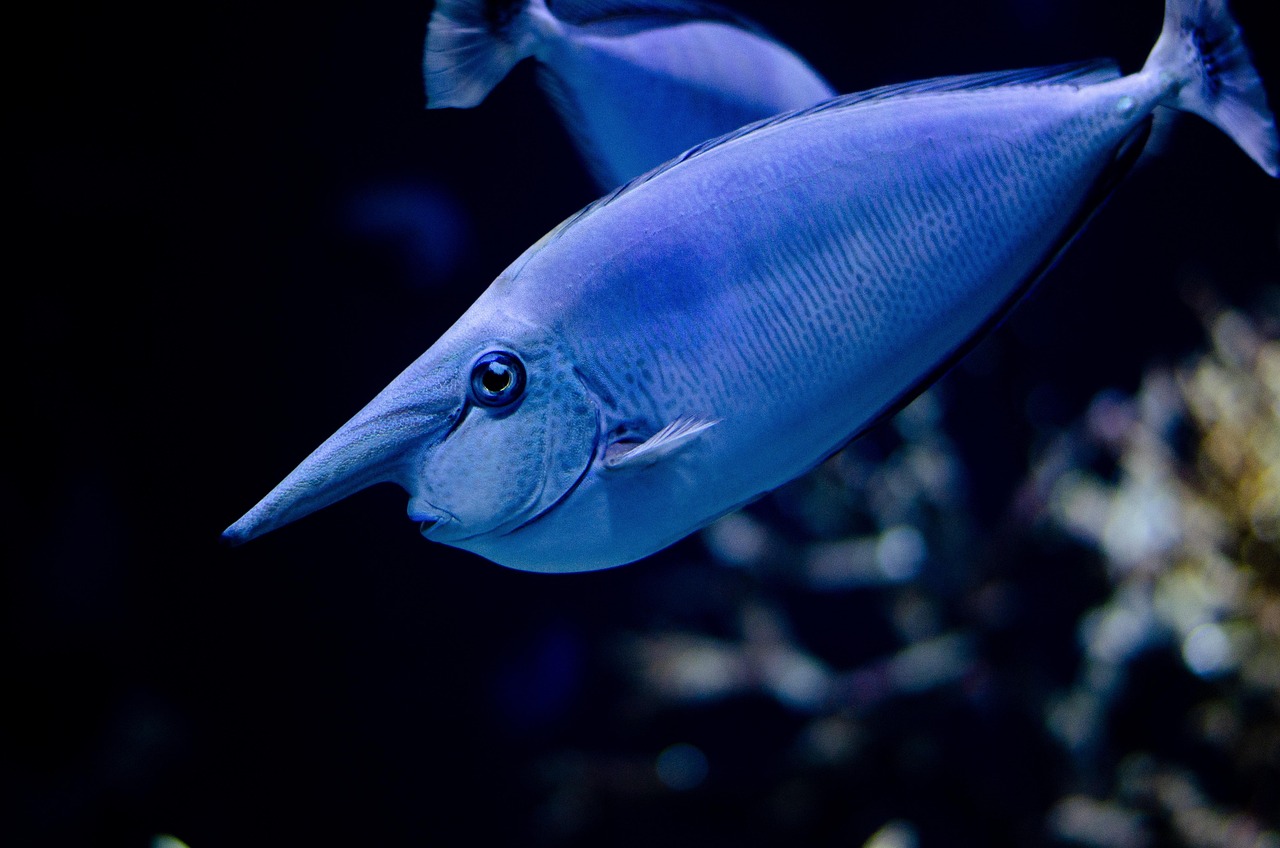
Bright, active, and visually distinctive species hold children’s attention longest. Clownfish are an obvious draw thanks to their cultural familiarity, but they require a marine setup with higher maintenance demands. For freshwater — which is simpler and cheaper to maintain — consider fancy guppies with flowing tails, neon tetras in a large school, or a group of colourful platies and swordtails.
Add one or two “character” fish that stand out: a bristlenose pleco that clings to the glass, a pair of dwarf gouramis with iridescent colour, or a mystery snail with a bright shell. Children enjoy identifying and naming individual fish, and distinctive species make that possible.
Aquascaping for Young Eyes
Keep the layout bright, colourful, and open. Children lose interest in dense, dark aquascapes — they want to see the fish clearly and follow them as they swim. Use a light-coloured substrate, broad-leafed plants like Echinodorus bleheri, and a few pieces of smooth, rounded hardscape. Avoid sharp rocks or dark, cave-heavy layouts that hide the fish from view.
Bright LED lighting with a gentle blue moonlight mode for evening hours extends viewing time without harsh glare. Many children in hospital wards are awake at odd hours, and a softly lit tank provides comfort when the lights are otherwise dimmed.
Placement and Viewing Height
Mount or position the tank so the centre is visible from a child’s seated or lying position — around 60-80 cm from the floor. Many young patients view the aquarium from wheelchairs, beds wheeled to the common area, or while sitting on the floor. A tank placed at adult standing height misses its audience entirely.
If the ward has both ambulatory and bed-bound patients, consider a location visible from the corridor so children being wheeled past can see it too. In Singapore’s hospitals, corridor-adjacent common rooms are often the best compromise between accessibility and safety.
Infection Control Considerations
Hospital infection control teams will have questions. Address them proactively. The tank is sealed — no open water surfaces accessible to patients. Maintenance is performed by external professionals wearing gloves, during scheduled non-clinical hours. Aquarium water does not aerosolise significantly with a closed lid. Provide documentation from reputable sources showing that properly maintained sealed aquariums pose negligible infection risk in clinical settings.
Schedule maintenance during low-activity periods — early mornings or weekends when the ward is quieter. The maintenance provider should sign in through the hospital’s visitor or contractor system and follow all ward protocols.
Maintenance and Ongoing Costs
Professional weekly maintenance is essential in a hospital setting — there is no room for algae-covered glass or sick fish in an environment meant to promote healing. Budget $250-500 SGD per month for professional servicing of a 200-400 litre display in Singapore. This covers water changes, glass cleaning, filter servicing, plant care, and fish health monitoring.
Equipment redundancy matters. Keep a backup heater, spare filter media, and dechlorinator on-site. A tank failure in a children’s ward is not just a maintenance problem — it is an emotional event for patients who have grown attached to the fish.
Making It Part of the Ward’s Identity
Name the fish with input from the children. Create a simple laminated guide with pictures and names displayed beside the tank. Some wards incorporate the aquarium into occupational therapy — children draw the fish, write stories about them, or track feeding schedules as part of routine-building exercises. Gensou Aquascaping has seen aquariums become the emotional heart of a ward, giving children something to look forward to each day that has nothing to do with treatment.
Related Reading