Aquarium for Elderly Care Facilities: Therapeutic and Engaging
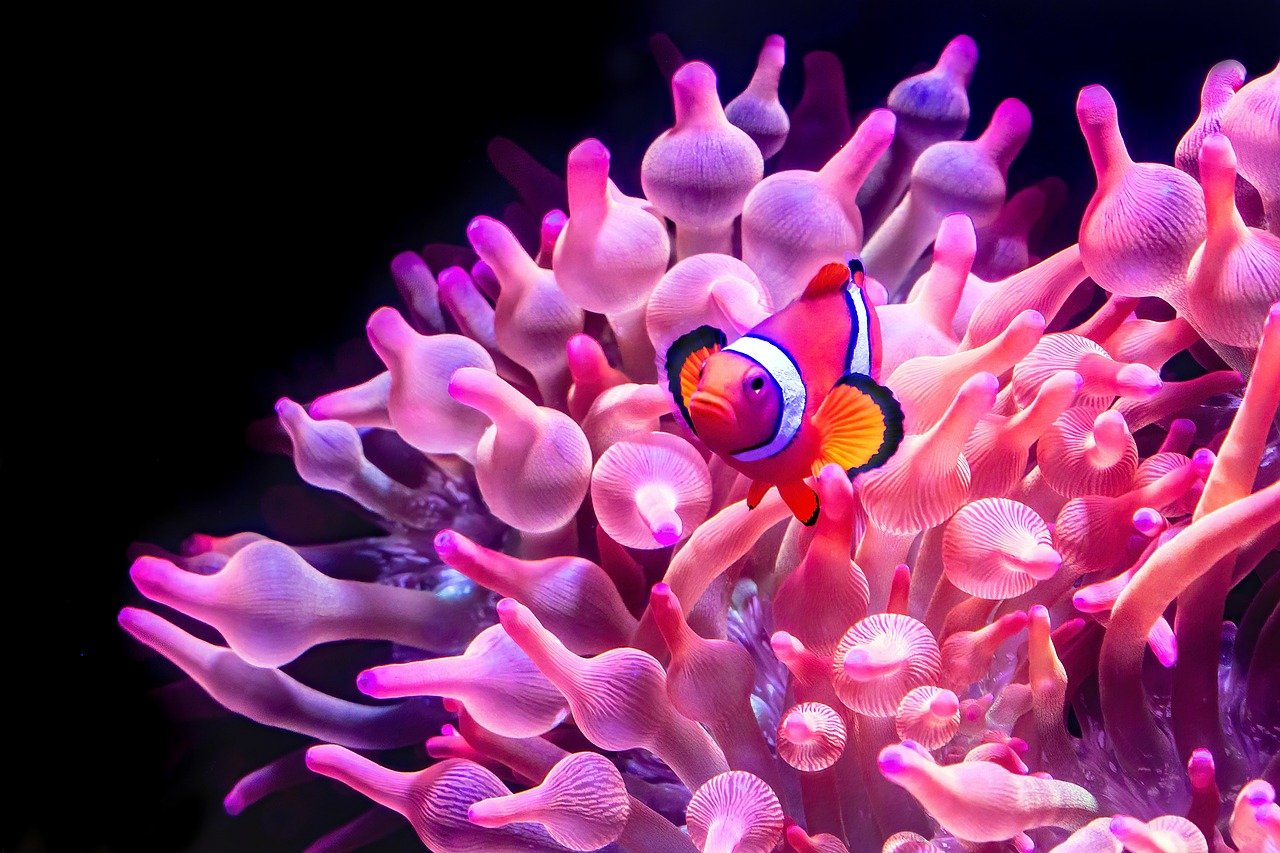
Aquariums have a remarkable calming effect on elderly residents in care facilities — reducing agitation, encouraging social interaction, and providing a gentle sensory experience that few other installations can match. This aquarium elderly care facility guide from Gensou Aquascaping at 5 Everton Park, Singapore, covers how to plan, stock, and maintain a display that genuinely improves quality of life for residents while being practical for staff to manage. The therapeutic potential is well documented, and the right setup delivers benefits for years.
Therapeutic Benefits Backed by Research
Studies published in journals like Environment and Behavior have found that watching aquarium fish lowers blood pressure, reduces anxiety, and increases attention span in elderly individuals. For residents with dementia, an aquarium in the dining area has been shown to increase food intake — patients sit longer, eat more, and exhibit fewer behavioural disturbances during mealtimes.
The effect is not purely visual. The gentle sound of flowing water adds an auditory component that masks institutional noise — beeping monitors, trolley wheels, distant conversations — creating a pocket of calm in an otherwise clinical environment.
Choosing the Right Location
Place the aquarium where residents spend the most waking hours: the common lounge, dining hall, or a quiet alcove along a main corridor. Avoid locations near emergency exits or in staff-only areas where residents cannot enjoy it. The tank should be visible from seated positions — many elderly residents view it from wheelchairs, so ensure the tank’s midpoint sits at approximately 80-90 cm from the floor rather than standard standing-height placement.
In Singapore’s nursing homes and eldercare centres, common areas are usually air-conditioned to 23-25°C. This cooler environment may require a heater for tropical species to maintain stable temperatures around 26°C.
Tank Size and Safety Considerations
A 200-400 litre tank offers enough visual presence without dominating the room. Wall-mounted or built-in installations eliminate the risk of residents bumping into exposed stands or pulling equipment off shelves. All electrical connections should be secured and out of reach. Use a heavy, lockable lid to prevent residents from reaching into the water — this protects both people and fish.
Weight is a concern in older buildings. A 300-litre tank weighs approximately 370 kg fully set up. Verify floor loading capacity with the facility’s building management before installation.
Best Fish for Elderly Viewers
Choose large, colourful, slow-moving species that are easy to see and distinguish. Fancy goldfish — orandas, ryukins, ranchus — are ideal. Their round bodies, bright colours, and gentle swimming are visually engaging even for residents with reduced eyesight. A group of 4-5 fancy goldfish in a 200-litre tank creates a display that residents recognise and grow attached to individually.
Alternatively, large tropical species like angelfish, pearl gouramis, or a school of boesemani rainbowfish provide movement and vivid colour. Avoid tiny fish that are difficult for elderly eyes to track. Each fish should be at least 5-8 cm so residents can follow its path across the tank easily.
Aquascaping for Clarity and Calm
Keep the layout open and uncluttered. Residents need to see the fish clearly, not squint through dense plant growth. Use a few bold pieces of driftwood or smooth river stones as focal points, with hardy, low-maintenance plants like Anubias barteri and Java fern tied to the hardscape. These plants tolerate low light, grow slowly, and rarely need trimming.
Bright, even lighting makes the fish visible throughout the day. Avoid dramatic shadows or overly dim setups — clarity is therapeutic, mystery is not the goal here.
Maintenance Arrangements
Care facility staff are already stretched thin. Do not expect them to maintain the aquarium beyond daily feeding. Contract a professional aquarium maintenance service for weekly or fortnightly visits covering water changes, glass cleaning, filter servicing, and health checks. In Singapore, professional maintenance for a facility tank typically costs $200-400 SGD per month depending on tank size and visit frequency.
Automate what you can: a programmable timer for lighting, an auto-feeder as backup for weekends when staffing is minimal, and a reliable canister filter that only needs servicing monthly. Simplicity keeps the display running smoothly between professional visits.
Engaging Residents Beyond Watching
Involve mobile residents in supervised feeding — it gives them purpose, routine, and a sense of responsibility. Name the fish together during a group activity. Display a simple laminated card beside the tank with fish names and photos. These small touches transform the aquarium from background decoration into a shared community experience that residents discuss and look forward to.
Getting Started
Begin with a conversation between the facility manager, care staff, and an experienced aquascaping provider. Gensou Aquascaping has consulted on therapeutic aquarium installations and can advise on sizing, species, and maintenance plans tailored to your facility’s layout and budget. The investment is modest relative to other facility upgrades, and the daily benefit to residents is visible from the very first week.
Related Reading