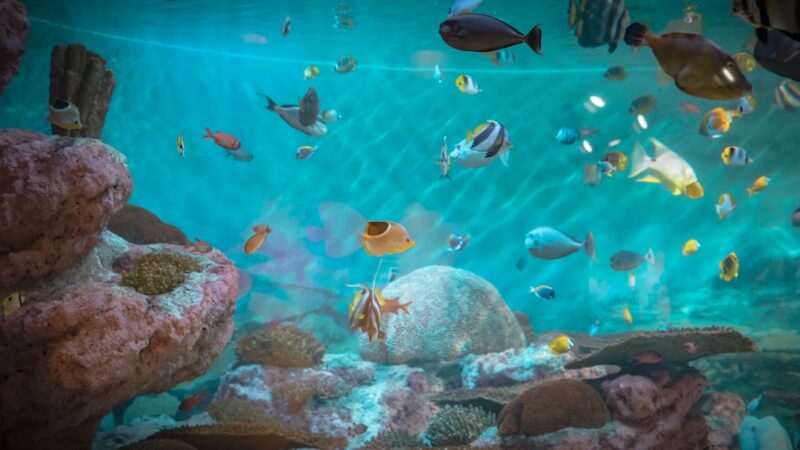
Aquarium for Jazz Bars in Singapore: Mood Lighting and Movement
Jazz and aquariums share a quality that few other pairings achieve: both reward patient observation, unfold in real time, and create atmosphere that words cannot quite capture. An aquarium in a jazz bar in Singapore amplifies the sensory richness that patrons come for, adding visual rhythm to the auditory experience. Gensou Aquascaping at 5 Everton Park has designed installations for bars and hospitality venues across the island, and jazz bars present some of the most creatively rewarding briefs we receive.
Setting the Mood With Tank Placement
A jazz bar’s atmosphere depends on intimacy and low light. Position the aquarium where its glow enhances rather than disrupts the dimly lit interior. Behind the bar counter is a classic choice: patrons seated at the bar gaze into the tank while waiting for drinks, and the water catches and scatters the warm backlight. A freestanding tank dividing the seating area from the stage creates a visual screen that adds depth without blocking sightlines. Avoid placing it directly adjacent to speakers, as vibration from bass frequencies stresses fish.
Lighting That Complements the Performance
Dim, warm lighting defines jazz bars. Set the aquarium LED to a low-intensity amber or warm white tone, around 3000-4000K, that blends with the bar’s existing lighting scheme. Avoid the bright, cool-white daylight settings used in planted tank photography. Programmable LEDs allow you to schedule a subtle blue moonlight mode during late sets, casting an atmospheric glow across the room. The tank should feel like a glowing painting on the wall, not a brightly lit display interrupting the mood.
Aquascaping for Low-Light Drama
Choose hardscape and plants that look striking under subdued lighting. Dark lava rock or black wood against white sand creates high contrast visible even in dim conditions. Low-light plants are essential: Anubias barteri, Microsorum pteropus (Java fern), and Bucephalandra thrive without intense illumination and maintain deep green colour under warm LEDs. Mosses draped over driftwood soften edges and add organic texture. Skip demanding carpet plants and CO2 injection, as the lighting levels that suit a jazz bar cannot sustain high-light species.
Fish That Move Like Music
Select species whose movement evokes the fluid, improvisational quality of jazz. Angelfish (Pterophyllum scalare) glide with slow, deliberate grace, their tall profiles silhouetted dramatically against backlit water. A school of black neon tetras adds synchronised movement with an understated colour palette that suits the venue’s mood. For larger tanks, discus (Symphysodon) are showstoppers: their slow, disc-shaped movements and rich colouration captivate even casual observers. Avoid hyperactive species like danios, whose darting motion clashes with the relaxed pace of a jazz evening.
Sound Isolation for Live Music Venues
Live jazz involves amplified bass, drums, and brass at close range. Sound waves, particularly low frequencies, transmit through water and stress fish. Isolate the tank structurally by mounting it on rubber dampening pads and positioning it at least 2 metres from the nearest speaker. A canister filter in a closed cabinet absorbs motor vibration. If the tank must sit closer to the stage, use a thick acrylic tank rather than glass, as acrylic absorbs more vibration energy. Monitor fish behaviour during performances: persistent hiding or erratic swimming indicates excessive sound exposure.
Maintenance Around Operating Hours
Jazz bars typically operate from late afternoon into the early morning hours. Schedule maintenance visits during the morning or early afternoon when the venue is closed. Water changes, glass cleaning, and plant trimming require 45-60 minutes and produce some noise and movement incompatible with a live performance environment. An automatic top-up system is essential, as air conditioning combined with Singapore’s low indoor humidity causes rapid evaporation. Gensou Aquascaping coordinates commercial maintenance around venue schedules to ensure zero interference with patrons or performers.
Cost and Atmosphere Return
A bar-quality aquarium installation in Singapore runs $2,000 to $8,000 depending on tank dimensions, custom integration with bar cabinetry, and aquascaping style. Monthly maintenance and electricity add $150-250. The atmosphere dividend is substantial: an aquarium transforms a good jazz bar into a memorable one. Patrons photograph the tank, mention it in reviews, and associate your venue with a distinctive sensory identity. In Singapore’s competitive bar scene, where new venues open monthly, an aquarium provides lasting differentiation that a coat of paint or furniture refresh cannot match.
Related Reading