Aquarium for Retirement Village Common Rooms: Community and Nature
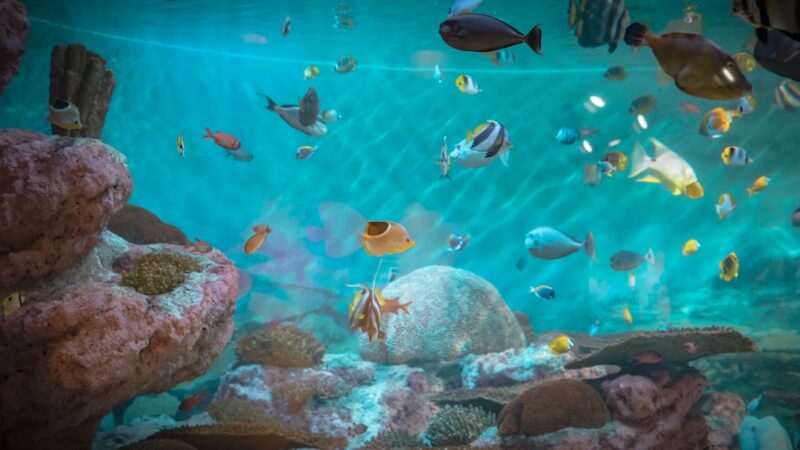
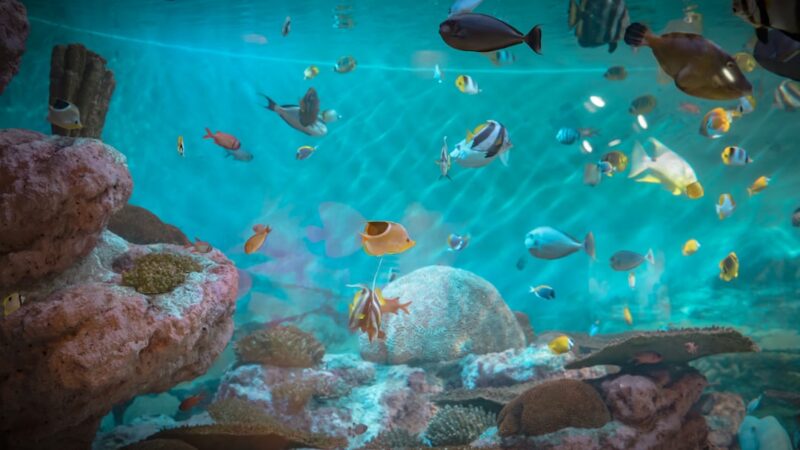
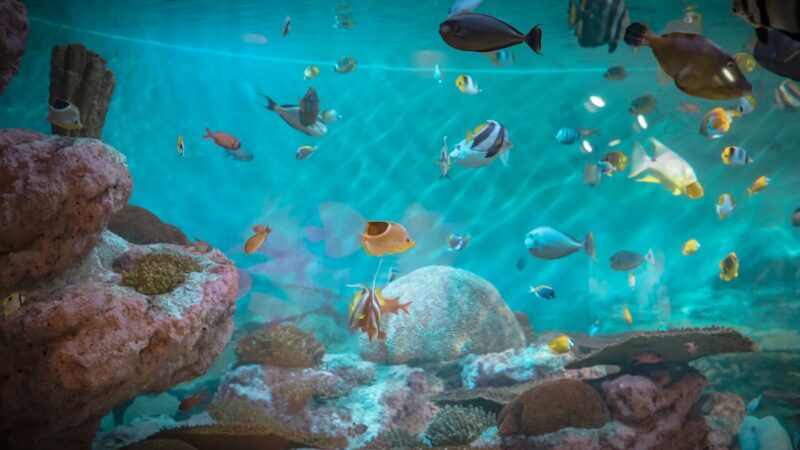
Research consistently shows that watching aquarium fish lowers blood pressure, reduces anxiety and stimulates conversation among elderly residents — benefits that few other common room features deliver so effortlessly. An aquarium retirement village guide helps facility managers plan an installation that maximises these wellbeing outcomes while remaining practical to maintain. Gensou Aquascaping at 5 Everton Park, Singapore, has designed displays for community spaces where residents range from fully independent to those living with early-stage dementia. The right aquarium becomes a shared focal point that brings people together daily.
Therapeutic Benefits for Elderly Residents
A 2019 study published in Environment and Behavior found that elderly participants who watched aquarium fish for 10 minutes showed a 7% reduction in heart rate and measurably lower self-reported anxiety. For residents with dementia, aquariums provide a calming sensory anchor that reduces agitation and sundowning behaviour. Meal consumption has been shown to increase when dining areas include fish tanks, as the visual stimulation encourages residents to sit longer and eat more. These are not vague wellness claims — they are documented, repeatable outcomes.
Tank Size and Placement
Common rooms in Singapore’s retirement villages typically measure 40-80 square metres. A 300-500 litre tank mounted at seated eye level (tank bottom at 60 cm from the floor) ensures wheelchair-bound residents can watch comfortably. Place the tank centrally along a wall visible from the main seating area, not tucked in a corner where only nearby chairs benefit. Ensure the cabinet is secured to the wall with heavy-duty brackets — mobility aids and wheelchairs occasionally bump furniture, and a toppled aquarium is a catastrophic safety hazard.
Fish Selection for Visibility and Engagement
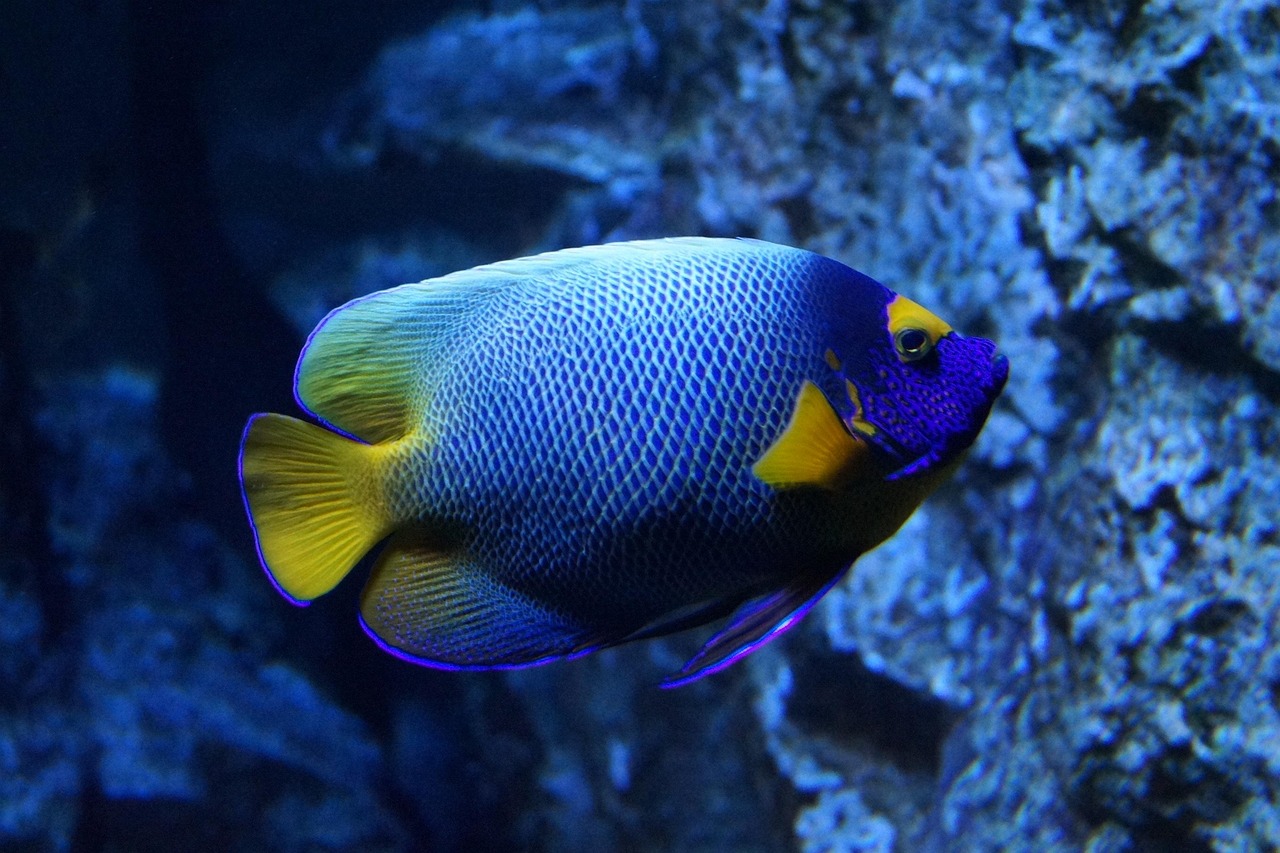
Large, brightly coloured, slow-moving fish are essential. Elderly eyes struggle with small, fast species. Fancy goldfish — orandas, ranchus and pearlscales — are ideal: they grow to 12-15 cm, display vivid orange, red and white colours, and move at a pace that aging eyes can track easily. Their distinctive body shapes prompt conversation and naming, which facility staff report as a genuine social catalyst. Alternatively, large angelfish or a group of 20-30 platies in mixed colours provide constant gentle movement. Avoid small tetras or any species under 3 cm — they simply disappear for residents with reduced visual acuity.
Safety Considerations
Residents must not be able to access the water. Use a fully sealed lid with no gaps wide enough for fingers. Conceal all electrical connections in locked cable trunking — exposed cords are a trip hazard and an electrical risk in a space frequented by people with unsteady mobility. Position the power point behind the cabinet where it is inaccessible without moving the stand. If the tank has a sump, the cabinet doors should have childproof latches. These precautions mirror standard institutional safety requirements and are straightforward to implement during installation.
Low-Maintenance Design
Retirement village staff are carers, not aquarists. Design for absolute minimum daily intervention. An automatic feeder dispenses food twice daily. A canister filter rated for double the tank volume extends service intervals. Hardy, low-light plants like Java fern and Anubias require no CO2 injection or fertiliser dosing. Avoid substrates that need vacuuming — bare-bottom with scattered river stones looks clean and allows waste to collect at the filter intake. A professional maintenance visit once a week for water changes, glass cleaning and health checks keeps the tank in showcase condition.
Engaging Residents With the Aquarium
The aquarium’s value multiplies when residents feel involved. Let them name the fish — a simple naming ceremony creates ownership and emotional connection. Print a laminated fish identification chart with photos, names and brief facts, mounted beside the tank. Some facilities in Singapore involve residents in supervised feeding sessions, which provides routine, purpose and a daily conversation topic. Activity coordinators can incorporate the aquarium into reminiscence therapy, asking residents about childhood experiences with fish, ponds or the sea.
Budgeting for Institutional Settings
A complete installation — tank, cabinet, filtration, lighting, hardscape, plants, fish and professional setup — runs $3,000-6,000 for a 300-500 litre system. Weekly professional maintenance costs $200-400 per month in Singapore. These figures are modest relative to other common room amenities like garden landscaping or entertainment systems, and the therapeutic return is arguably higher. Some facilities fund the aquarium through resident activity budgets or community donations. Whichever funding route you choose, the investment in resident wellbeing and communal engagement repays itself visibly within weeks of installation.
Related Reading