Best Fish for a Tall Aquarium: Vertical Space Species
A tall aquarium is one of the most dramatic pieces of furniture you can place in a Singapore home — but filling that vertical space well requires thought. Most common community fish are horizontal mid-water swimmers that largely ignore the extra depth. Choosing the best fish for a tall aquarium means selecting species that actively use height, occupy multiple zones, or simply look spectacular against a taller water column. At Gensou Aquascaping, 5 Everton Park, we often configure tank designs for exactly this vertical challenge.
What Counts as a Tall Aquarium?
A standard aquarium has a roughly 1:1.5 to 1:2 width-to-height ratio. Tall tanks — sometimes called “high” or “portrait” tanks — typically sit at 50 cm or more in height with a comparatively narrow footprint. Popular formats in Singapore include 45×45×60 cm and 30×30×60 cm cubes from brands like ADA and Ultum Nature Systems. The limited footprint suits HDB living rooms, while the height creates impressive visual depth for aquascaping.
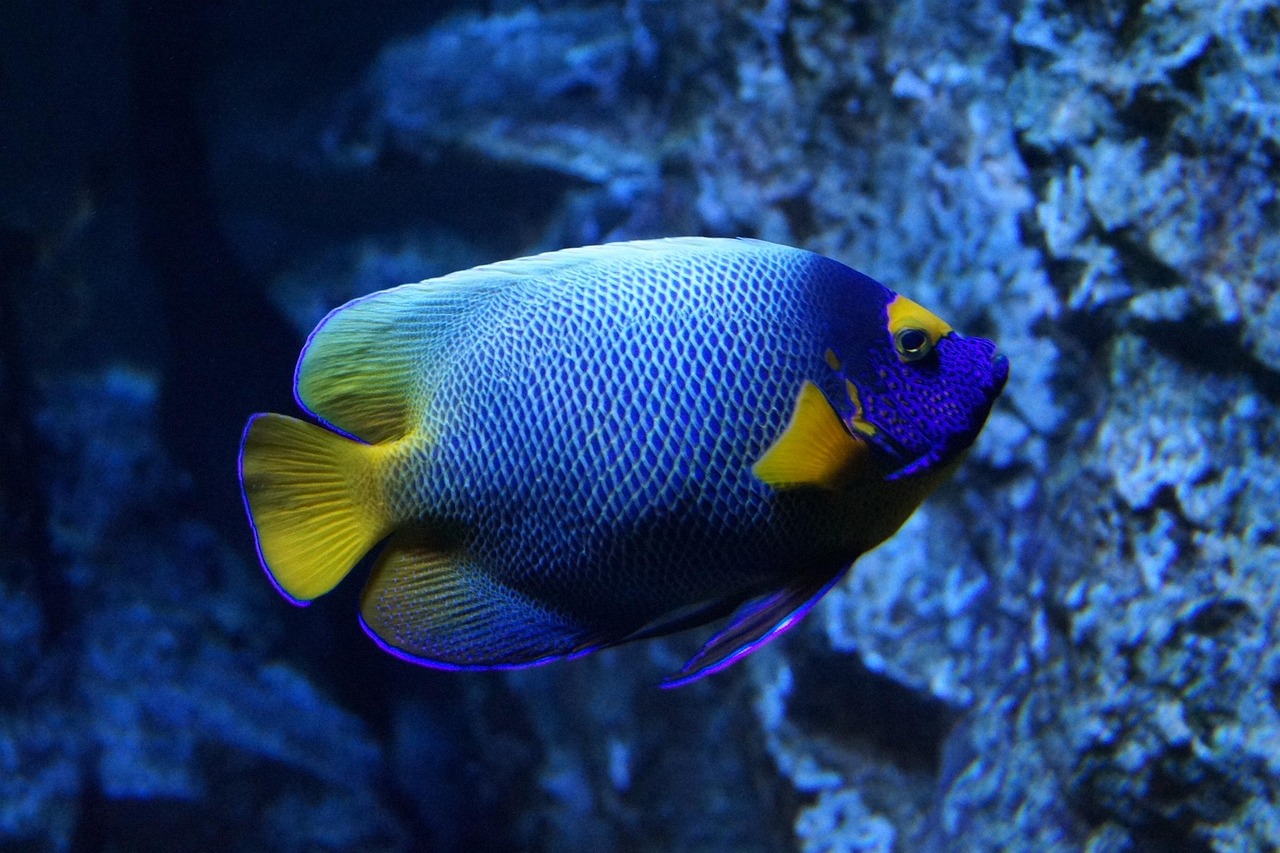
Angelfish
Pterophyllum scalare are the archetypal tall-tank fish. Their deep, disc-shaped bodies and elongated dorsal and ventral fins are literally designed for vertical space. A single pair in a 60 cm tall tank creates an immediately striking focal point. Keep water between 26–30°C — Singapore’s room temperature usually handles the upper end without a heater. A minimum 120-litre volume prevents territorial stress between adults. Avoid tankmates small enough to fit in their mouth, including neon tetras under 3 cm.
Discus
The most iconic tall-tank species, Symphysodon discus command attention in any vertical display. They require warmer water than most community fish — 28–32°C — which aligns well with Singapore’s ambient conditions. Water must be very soft and slightly acidic; a reverse osmosis system with remineralisation to 1–4 dGH suits them well. Discus are not beginners’ fish. They are sensitive to nitrate and require large, frequent water changes. The payoff — a school of five or six circling a tall planted tank — is unmatched.
Gouramis and Labyrinth Fish
Pearl gouramis (Trichopodus leerii) and moonlight gouramis (Trichopodus microlepis) patrol all levels of a tall tank gracefully. Their labyrinth organ means they can surface-breathe, making them practical in a tank where dissolved oxygen may stratify. Giant gouramis (Osphronemus goramy) are technically suitable but grow to 45 cm and require very large volumes — not practical for most home setups. Stick with the 12–15 cm species for tanks under 200 litres.
Hatchetfish
For the upper zone, marbled hatchetfish (Carnegiella strigata) and silver hatchetfish (Gasteropelecus sternicla) are specialists of the surface. Their flat, keel-like bodies are adapted for life just below the water line, and they rarely venture below the top third of a tank. A school of eight to twelve hatchetfish in a tall aquarium adds kinetic surface interest that complements mid-water and bottom-dwelling species. Keep a tight-fitting lid — they are confident jumpers.
Rope Fish and Rope-Like Species
Erpetoichthys calabaricus, the rope fish, moves in slow vertical spirals that look extraordinary in a tall tank. They are peaceful predators that will eat small fish and shrimp but coexist well with medium community species. Bottom-to-surface vertical movement is natural behaviour for them. Water temperature of 24–28°C suits them, and they tolerate a wide pH range of 6.5–7.5 — well within what Singapore’s tap water delivers after conditioning.
Species to Avoid in Tall Tanks
Bottom-only species — Corydoras, loaches, plecos — waste the vertical dimension entirely and may struggle with the reduced footprint. Fast horizontal schoolers like danios feel confined in narrow, tall volumes and may show stress behaviour. Territorial cichlids that defend horizontal territory (such as Geophagus species) are poorly suited unless the tank is very wide at the base.
Aquascaping for Vertical Impact
Match your fish choices with plants that reinforce the vertical theme. Tall Vallisneria spiralis, Crinum calamistratum, or hanging mosses create natural depth zones that encourage fish to occupy different levels. Tall hardscape — stacked stone columns or a single upright branch — provides structure without crowding the mid-column. The best fish for a tall aquarium choice always works in tandem with the scape: let the layout guide which species will look most natural in the space.
Related Reading