How to Build an Aquarium Moss Wall: Step-by-Step
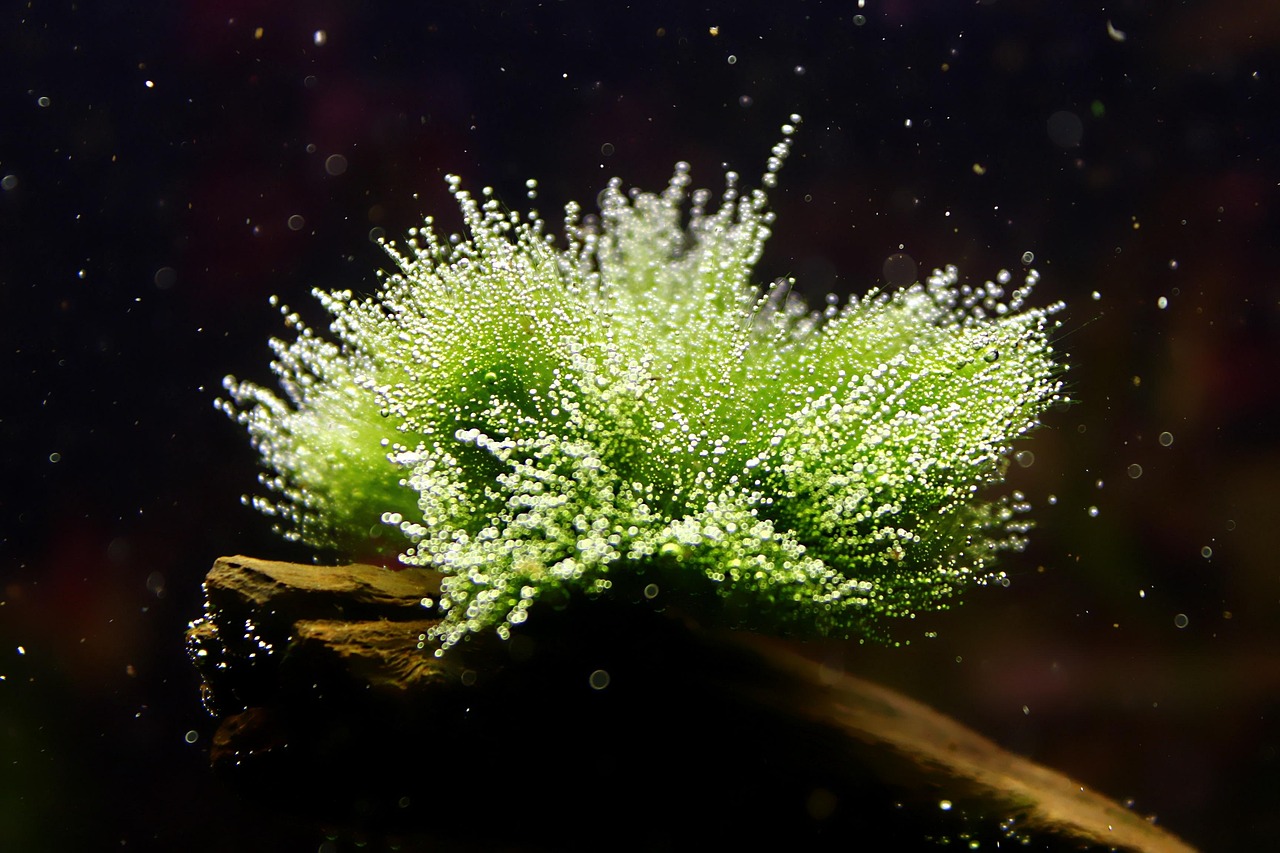
Table of Contents
- Why Build a Moss Wall?
- Materials You Will Need
- Choosing the Right Moss
- Step-by-Step Construction
- Attachment Methods: Fishing Line vs Cotton Thread
- Mounting the Moss Wall to Your Tank
- Growth Timeline
- Trimming and Shaping
- Preventing Debris Buildup Behind the Wall
- Lighting and Flow Considerations
- Frequently Asked Questions
Why Build a Moss Wall?
A moss wall transforms the back panel of your aquarium from a plain glass surface into a living, green backdrop. When fully grown in, a well-maintained moss wall creates a stunning forest-like atmosphere that enhances any aquascape — from simple community tanks to competition-level Nature Aquarium layouts.
Beyond aesthetics, moss walls provide practical benefits. The dense mat of moss harbours beneficial bacteria, absorbs excess nutrients (helping to reduce algae), provides shelter for shrimp and fry, and creates a natural biofilm grazing surface for fish and invertebrates. In Singapore’s planted tank community, moss walls are a popular and rewarding project for hobbyists of all experience levels.
Materials You Will Need
A moss wall requires only a few inexpensive materials:
- Mesh panel: Stainless steel mesh (food-grade 304 or 316 stainless steel) or plastic canvas (craft mesh) cut to the size of your back glass. Stainless steel is more durable and rigid; plastic canvas is cheaper and easier to cut. Do not use aluminium or galvanised mesh — these leach harmful metals into the water.
- Moss: A generous portion of your chosen moss species (see below). You need enough to cover the mesh in a thin, even layer.
- Fishing line or cotton thread: For binding the moss to the mesh. Monofilament fishing line (2-4lb test) is permanent and invisible once the moss grows in. Cotton thread biodegrades after four to six weeks, by which time the moss should have attached naturally.
- Suction cups: To mount the finished moss wall to the back glass. Use aquarium-grade suction cups with clips or hooks. Four to six suction cups are usually sufficient for a standard 60cm moss wall.
- Scissors: Sharp aquascaping scissors for trimming moss to an even thickness.
Choosing the Right Moss
The moss species you choose determines the final appearance and maintenance requirements of your wall:
Java Moss (Taxiphyllum barbieri)
Java moss is the most popular choice for moss walls and with good reason. It is hardy, fast-growing, tolerates a wide range of conditions (including Singapore’s warm water temperatures of 28-32 degrees Celsius) and attaches readily to mesh. The growth pattern is somewhat messy and wild, creating a natural, forest-floor look. Java moss is inexpensive and widely available at every aquarium shop in Singapore.
Christmas Moss (Vesicularia montagnei)
Christmas moss grows in a distinctive triangular, frond-like pattern that resembles tiny Christmas tree branches. It creates a more structured and elegant appearance than Java moss. Growth is slightly slower, and it prefers slightly cooler water (24-28 degrees Celsius), which can be challenging in non-air-conditioned Singapore tanks. An air-conditioned room or a fan-cooled tank helps Christmas moss thrive.
Riccardia (Coral Moss)
Riccardia chamedryfolia produces an extremely fine, compact texture with tiny rounded fronds. It creates the most refined and detailed moss wall but is the slowest growing and most demanding of the three. It requires moderate to high light, good CO2 supplementation and clean water. Riccardia is best suited to experienced hobbyists with high-tech planted tanks.
Flame Moss (Taxiphyllum sp. “Flame”)
Flame moss grows upward in a distinctive flame-like pattern rather than creeping horizontally. On a moss wall, this creates an unusual, textured appearance. Growth rate is moderate, and it adapts well to Singapore’s water temperatures. It is a good choice for hobbyists who want a more unique look.
Step-by-Step Construction
- Measure and cut the mesh: Measure the back glass of your aquarium and cut two identical pieces of mesh to size, leaving a 1-2cm margin around the edges for attaching suction cups. If using stainless steel mesh, use tin snips and file any sharp edges. If using plastic canvas, a sturdy pair of scissors works fine.
- Prepare the moss: Rinse your moss thoroughly in a bowl of dechlorinated water to remove any debris, snails or unwanted hitchhikers. Gently squeeze out excess water. If the moss comes in large clumps, separate it into a thin, even layer.
- Spread moss on one mesh panel: Lay one mesh panel flat and distribute the moss evenly across its entire surface. Aim for a thin, uniform layer — about 5-10mm thick. Too much moss in thick clumps will cause the inner layers to die from lack of light.
- Sandwich with second mesh panel: Place the second mesh panel on top of the moss layer, creating a sandwich: mesh, moss, mesh. Align the edges of both panels.
- Bind the panels together: Using fishing line or cotton thread, stitch or wrap around the edges and across the surface in a grid pattern (every 3-5cm) to hold the two mesh panels firmly together with the moss trapped between them. The binding should be tight enough to prevent moss from falling out but loose enough to allow growth through the mesh openings.
- Attach suction cups: Secure suction cups to the back of the moss wall panel using cable ties or clips. Position them at the corners and midpoints for even support.
- Trim excess: Use scissors to trim any moss strands poking out unevenly from the edges. A tidy starting point results in a neater finished product.
Attachment Methods: Fishing Line vs Cotton Thread
Both methods work, and each has advantages:
| Method | Pros | Cons |
|---|---|---|
| Fishing line (monofilament) | Permanent, invisible once moss grows, strong | Does not biodegrade, slightly harder to work with |
| Cotton thread | Easy to tie, biodegrades naturally in 4-6 weeks | May decompose before moss fully attaches, can look untidy initially |
For moss walls, fishing line is generally the better choice because the binding needs to remain intact for the life of the wall. The mesh sandwich traps the moss mechanically, but the binding prevents the panels from separating. If cotton thread dissolves before the moss has grown through and anchored itself, the panels may separate and the wall may fall apart.
Mounting the Moss Wall to Your Tank
Press the suction cups firmly against the back glass, ensuring each one grips securely. Before mounting, clean the back glass thoroughly — algae or biofilm on the glass weakens suction cup adhesion.
Leave a gap of approximately 1-2cm between the moss wall and the back glass. This small gap allows water to circulate behind the wall, bringing nutrients to the moss and preventing stagnant zones. If the moss wall sits flush against the glass with no gap, the back side receives no light or flow and may develop dead spots or algae.
For very large moss walls (90cm or wider), consider using additional support. A thin plastic or stainless steel rail along the bottom edge, resting on the substrate, prevents the wall from sagging under its own weight as the moss grows heavier with water absorption.
Growth Timeline
Patience is essential when establishing a moss wall. Here is what to expect in Singapore conditions:
- Week 1-2: No visible growth. The moss is adjusting to its new environment. Some browning of damaged strands is normal.
- Week 2-4: New growth tips become visible, particularly around the edges of the mesh openings. The moss begins to grip the mesh and extend through the holes.
- Week 4-6: Growth accelerates. Green tips extend beyond the mesh surface, and the wall begins to look lush rather than sparse. Java moss grows fastest; Riccardia will still appear minimal at this stage.
- Week 6-8: The wall fills in substantially. Individual mesh holes are largely hidden by moss growth. The first trim may be needed for fast-growing species like Java moss.
- Week 8-12: The moss wall is fully established. Regular trimming becomes part of your maintenance routine.
In Singapore’s warm water (28-32 degrees Celsius), Java moss grows faster than in cooler climates, so expect the upper end of these timelines to apply. Good lighting and CO2 injection further accelerate growth.
Trimming and Shaping
Once established, a moss wall requires regular trimming to maintain its appearance and health:
- Frequency: Every two to four weeks for Java moss; every four to six weeks for slower species like Christmas moss or Riccardia.
- Method: Use sharp aquascaping scissors to cut the moss to an even depth of approximately 1-2cm from the mesh surface. Trim in small sections, removing the clippings with a net as you go.
- Remove clippings: Floating moss fragments will settle on other plants and hardscape, potentially rooting where you do not want them. Use a fine-mesh net to collect all trimmings during and after cutting.
- Avoid cutting too short: Cutting too close to the mesh exposes the grid and creates bare patches that take weeks to regrow. Leave at least 5-10mm of growth beyond the mesh surface.
Preventing Debris Buildup Behind the Wall
One of the main challenges with moss walls is debris accumulation between the wall and the back glass. Fish waste, detritus and uneaten food can collect in this gap, degrading water quality and promoting algae growth behind the wall.
Strategies to minimise this issue:
- Maintain flow: Ensure your filter outlet or a small powerhead directs some flow across the back glass to prevent stagnation behind the wall.
- Periodic removal: Every two to three months, remove the moss wall from the tank and siphon any debris that has accumulated behind it. Rinse the back glass before remounting.
- Shrimp: Neocaridina shrimp (cherry shrimp) actively forage on and behind the moss wall, consuming detritus and biofilm. A colony of shrimp significantly reduces debris accumulation.
- Snails: Nerite snails graze on the back glass and help keep it clean behind the moss wall.
Lighting and Flow Considerations
Moss is generally a low to moderate light plant, but a moss wall needs sufficient light to grow evenly across its entire surface:
- Light intensity: Moderate light (40-60 PAR at the wall surface) is ideal for most moss species. Too much light promotes algae growth on the moss; too little causes sparse, leggy growth.
- Even coverage: Ensure your light covers the full width and height of the moss wall. If the corners or lower sections receive significantly less light, moss growth will be uneven.
- Flow: Gentle flow across the surface of the moss wall delivers nutrients and CO2 while removing waste. Avoid directing strong, concentrated flow at the wall, which can tear moss away from the mesh. A spray bar positioned above or beside the wall provides ideal gentle, distributed flow.
For detailed guidance on moss species and care, see our Java moss guide. If you would like to see a moss wall in person before building one, visit Gensou at 5 Everton Park — our team has over 20 years of experience creating natural aquascapes and can advise you on materials and techniques. You may also find our planted tank substrate guide useful when planning a complete planted setup to complement your moss wall.
Frequently Asked Questions
Can I build a moss wall in a tank without CO2 injection?
Yes. Java moss and Christmas moss grow well without CO2 injection, though growth will be slower. In a low-tech tank, expect the wall to take eight to twelve weeks to fill in rather than four to eight. Riccardia does benefit significantly from CO2 and is not recommended for low-tech setups. Adequate lighting is more important than CO2 for moss wall success.
Will a moss wall reduce light reaching the rest of my tank?
A moss wall covers the back glass, not the top of the tank, so it does not directly block light from your overhead fixture. However, the dark green background may reduce reflected light within the tank slightly. In practice, this is rarely a problem and often improves the aesthetic by creating a natural-looking backdrop that makes fish colours pop and foreground plants stand out.
How do I deal with algae growing on my moss wall?
Algae on a moss wall is often caused by excessive light, poor flow or nutrient imbalances. Reduce your photoperiod to seven to eight hours if algae appears. Ensure gentle flow reaches the wall surface. Amano shrimp and Otocinclus are effective algae grazers that can help keep the moss clean. For persistent algae, a very brief spot treatment with diluted hydrogen peroxide (applied with a syringe during a water change) can help, but use sparingly to avoid damaging the moss.
Can I use a moss wall in a shrimp breeding tank?
Absolutely — moss walls are ideal for shrimp tanks. The dense moss provides shelter for baby shrimp, harbours biofilm and microorganisms that shrimplets feed on, and increases the surface area for grazing. Many dedicated shrimp breeders in Singapore use moss walls specifically for these benefits. Java moss is the best choice for shrimp tanks due to its density and hardiness.
Related Reading