
Common Aquarium Myths Debunked: Goldfish Bowls, Blue Light and More
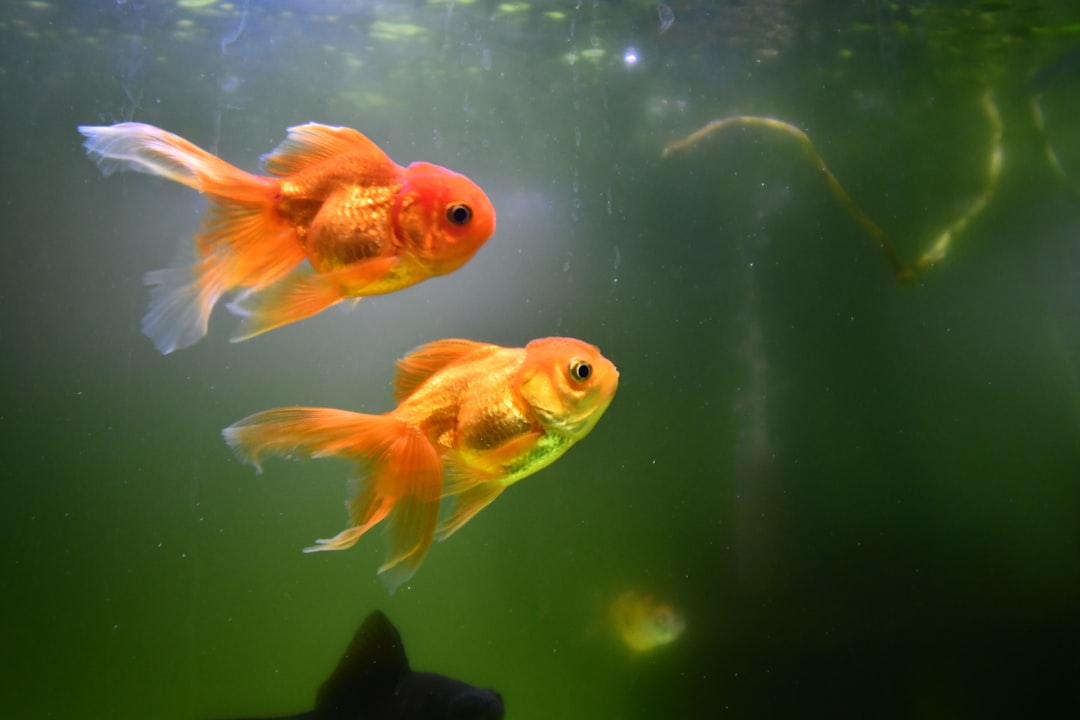
The aquarium hobby carries a surprising amount of misinformation passed down through pet shops, online forums, and well-meaning relatives. This common aquarium myths debunked guide tackles the most persistent falsehoods head-on so you can make decisions based on science rather than hearsay. At Gensou Aquascaping in Singapore, we have spent over 20 years correcting these misconceptions for our clients — here are the ones we encounter most often.
Goldfish Can Live in Bowls
This is perhaps the most harmful myth in the hobby. A common goldfish (Carassius auratus) can grow to 25–30 cm and live for 15 years or more. In a bowl, the fish is subjected to rapid ammonia accumulation, zero filtration, low oxygen, and stunted growth that shortens its lifespan to months. A single fancy goldfish needs a minimum of 75 litres with proper filtration. If space is limited, choose nano-appropriate species instead — your conscience and the fish will both benefit.
Blue Light Causes Algae
Many hobbyists blame blue-spectrum lighting for algae outbreaks, but the reality is more nuanced. Algae exploit any light spectrum when nutrients are imbalanced. Research shows that algae growth correlates more strongly with excess phosphates and poor CO2 availability than with light colour. Blue light actually penetrates water more efficiently, benefiting deep-rooted plants. The real fix for algae is balancing light intensity, CO2, and nutrients — not avoiding a specific colour temperature.
Bigger Tanks Are Harder to Maintain
Counterintuitively, larger volumes are more stable and forgiving. A 100-litre tank dilutes waste far more effectively than a 20-litre nano, giving you wider margins for error. Temperature swings are slower, pH shifts are gentler, and ammonia spikes from a missed feeding are barely noticeable. In Singapore, where ambient temperatures fluctuate between air-conditioned nights and warm afternoons, the thermal mass of a larger tank keeps conditions steadier for livestock. Nano tanks are charming but demand more precise attention.
You Must Wait Two Weeks Before Adding Fish
The “two-week rule” is a rough guideline, not a biological guarantee. Cycling depends on bacterial colonisation, which can take anywhere from one to six weeks depending on conditions. The only reliable indicator is testing: zero ammonia, zero nitrite, and detectable nitrate means the cycle is complete. Adding fish purely because a calendar says it has been 14 days, without verifying water parameters, leads to unnecessary losses.
Aquarium Salt Cures Everything
Aquarium salt has legitimate uses — treating mild external infections, reducing nitrite toxicity during cycling, and supporting certain brackish species. However, it is not a universal cure. Salt stresses freshwater plants, harms scaleless fish like loaches and catfish, and does nothing against internal parasites. For most freshwater planted tanks in Singapore, salt should be a targeted treatment, not a routine additive.
Fish Grow to the Size of Their Tank
This myth confuses external stunting with healthy adaptation. Fish in cramped tanks may appear to stop growing externally, but their internal organs continue developing, leading to organ compression, spinal deformities, and shortened lifespans. A common pleco (Pterygoplichthys species) sold at 5 cm in a local shop will reach 30–40 cm regardless of tank size — it simply suffers silently in a small one. Always research adult size before purchasing.
Tap Water Is Dangerous for Fish
Singapore’s PUB tap water is among the cleanest municipal supplies in the world. It is soft (GH 2–4), slightly acidic to neutral, and perfectly suitable for most tropical fish after dechlorination. The key concern is chloramine, which a standard water conditioner neutralises instantly. You do not need RO water, spring water, or expensive mineral supplements for the vast majority of commonly kept species. Save the RO system for specialist situations like Caridina shrimp breeding.
Clearing Up Confusion Leads to Better Fishkeeping
Myths persist because they offer simple answers to complex questions. Real fishkeeping is about understanding your specific tank’s biology, measuring what matters, and adjusting based on evidence. Every myth debunked is a fish that lives longer and a hobbyist who grows more confident. Question what you read, test your water, and trust data over tradition.
Related Reading



