
Aquarium Oxygen Saturation Explained Glossary Guide: 8 mg/L Ceiling
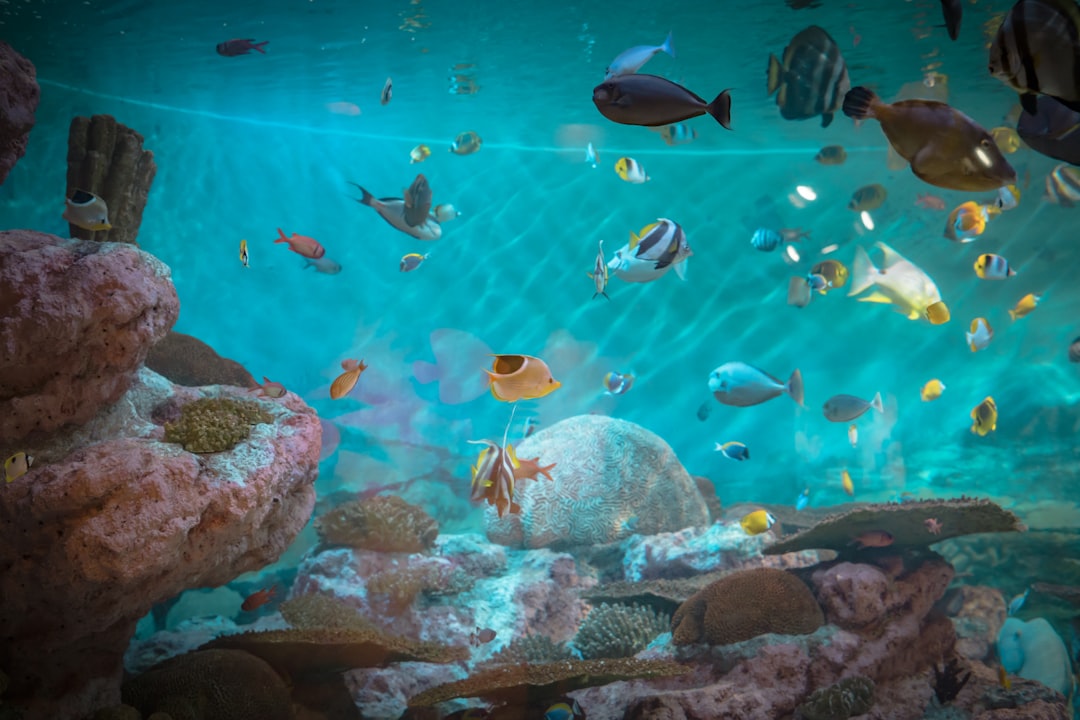
Aquarium oxygen saturation describes the maximum dissolved oxygen (DO) the water can hold at a given temperature and pressure, beyond which any extra simply gases out. The ceiling is around 8.3 mg/L at 25°C and drops to 7.5 mg/L at 30°C — a hard physical limit no air pump can break. Singapore’s warm tap water sits near the lower end of that scale year-round, which is why oxygen problems are more common here than in cooler climates. Gensou Aquascaping at 5 Everton Park covers the chemistry, the surface-agitation rule, and the symptoms of a tank running on the edge.
What Oxygen Saturation Means
Oxygen saturation is the equilibrium concentration of dissolved O2 in water, governed by Henry’s Law: gas solubility falls as temperature rises and pressure drops. Pure freshwater at sea level holds 14.6 mg/L at 0°C, 9.1 mg/L at 20°C, 8.3 mg/L at 25°C, 7.6 mg/L at 30°C, and just 7.0 mg/L at 35°C. Saltwater holds 20-25 per cent less at the same temperature because dissolved salt reduces solubility.
How It Works in an Aquarium
Oxygen enters water at the surface, where the air-water interface allows gas molecules to diffuse in. Subsurface bubbles do not aerate water meaningfully; they simply rise and burst at the surface, creating ripples that drive surface gas exchange. The “bubbles oxygenate” myth dies hard. Real aeration comes from surface ripples, plant photosynthesis, and water movement that constantly replaces the surface boundary layer.
Typical Values and Ranges
Healthy planted tank during photoperiod: 7-9 mg/L (occasionally super-saturated to 10+ mg/L). Healthy reef tank: 6-7 mg/L (saltwater limit). Heavy bioload freshwater overnight: drops to 4-5 mg/L. Critical threshold for most fish: 4 mg/L; below that, gasping at the surface and gill flaring follow. Lethal: below 2 mg/L sustained. Shrimp need 5+ mg/L; sensitive species like discus need 6+ mg/L.
How to Measure
Salifert Oxygen Profi (SGD 30-38) gives a colorimetric reading good to 0.5 mg/L. JBL Oxygen test (SGD 16) covers basics. Digital probes like Apera DO700 (SGD 350-450) and Milwaukee MW600 (SGD 200-280) offer continuous monitoring — essential for reef tanks and high-bioload setups. Test before lights on and again at peak photosynthesis to capture the daily oxygen swing.
Common Imbalance Symptoms
Surface gasping at dawn is the textbook low-O2 sign — oxygen is lowest after a night of respiration without photosynthesis. Fish hovering near filter outflows, increased gill ventilation, lethargy and reduced feeding all point to chronic hypoxia. Sudden whole-tank gasping often follows a heat wave, power outage, dense plant trim that disturbed dissolved gases, or a CO2 overshoot in injected systems.
How to Adjust
Increase surface agitation — angle filter outflows toward the surface or add a powerhead. Run an air stone overnight when lights are off, especially in heavily planted tanks. Skim surface biofilm regularly; it physically blocks gas exchange. For chronic warm-tank issues, a chiller from Hailea or Resun (SGD 280-450) drops temperature and raises saturation simultaneously. Overstocked tanks need genuine destocking — no amount of aeration overcomes biological demand exceeding physical limits. Browse aquarium filtration for surface skimmers and powerheads, and aquarium tanks sized to your stocking plan.
Singapore-Specific Note
Tropical 28-30°C ambient pushes saturation ceilings to 7.6-8.0 mg/L — already 10-15 per cent below temperate references. HDB nano tanks of 30-60 L with multiple fancy bettas, full-flow surface skimmer and shut-off lights overnight commonly drop to 4-5 mg/L by dawn. Plan stocking on local oxygen ceilings, not UK or US guidelines. Reef tanks here struggle most; protein skimmers help by mass-transferring oxygen during the air-injection phase.
Connected Concepts
Oxygen saturation links to temperature (Q10 rule), ammonia toxicity (low O2 stress amplifies ammonia damage), nitrification (bacteria need 4+ mg/L to function), redox/ORP and eutrophication. Read those entries to see how oxygen sits at the centre of aquatic chemistry. Plants both produce O2 (photosynthesis) and consume it (respiration); a heavily planted tank without lights overnight is a respiration-only system.
Common Misconceptions
“Bubblers add oxygen” — only via surface disturbance, not directly. “Bigger air pump means more oxygen” — only if the pump increases surface ripples; otherwise wasted electricity. “CO2 injection pushes oxygen out” — false; CO2 and O2 saturate independently in water.
Related Reading



