
Hydra Removal in Aquariums: Traps, Treatment and Prevention
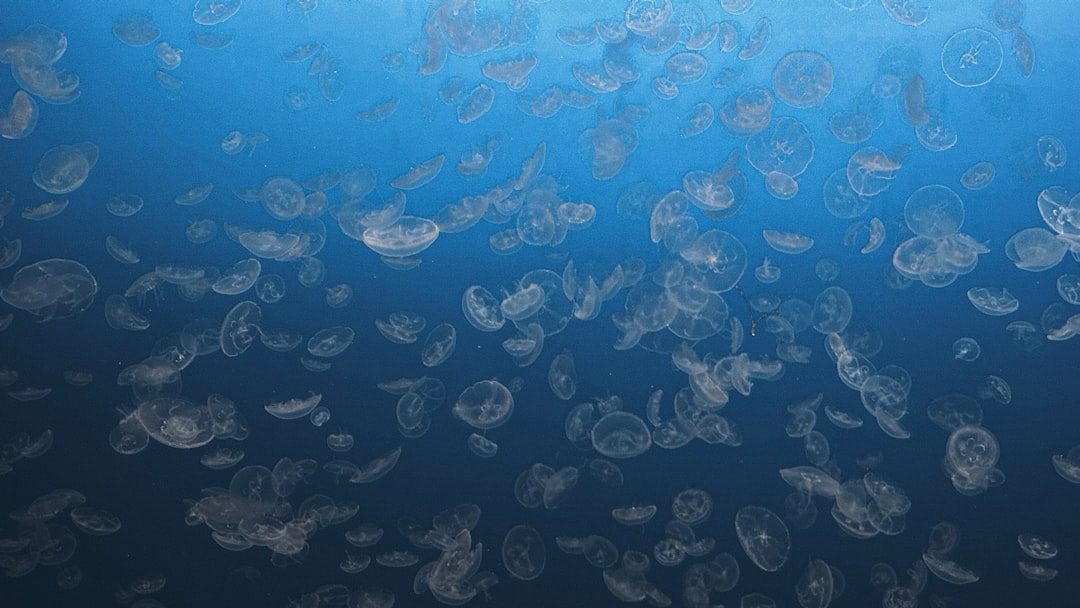
Few aquarium pests provoke as much alarm as hydra. These tiny freshwater polyps, barely 5-10 mm tall, pack stinging cells capable of killing shrimplets and small fry. If you have spotted translucent tentacled stalks waving from your glass or hardscape, this hydra removal aquarium trap guide from Gensou Aquascaping at 5 Everton Park, Singapore, will help you eliminate them safely. Acting fast matters — a single hydra can reproduce by budding every two days under warm tropical conditions.
Identifying Hydra in Your Tank
Hydra are cnidarians, relatives of jellyfish and corals. In freshwater tanks they appear as slender stalks crowned with 4-8 tentacles, usually white, green or brown depending on whether they host symbiotic algae. Green hydra (Hydra viridissima) are the most common variety in planted setups. You will often spot them near light sources, attached to glass, sponge filters or slow-growing leaves like Anubias.
They differ from harmless detritus worms or planaria in one key way: hydra are sessile and wave their tentacles to catch prey. Touch one gently with a toothpick and it will contract into a tiny ball. That contraction reflex confirms you are dealing with hydra, not a strand of algae or fungus.
Why Hydra Are Dangerous
Adult fish are not at risk — hydra nematocysts cannot penetrate their scales. The real danger is to Neocaridina and Caridina shrimplets under 5 mm, newly hatched fry and even adult dwarf shrimp in heavy infestations. In Singapore’s thriving shrimp-keeping community, a hydra outbreak in a Taiwan Bee tank can wipe out an entire generation of juveniles overnight. Hydra also indicate overfeeding, since they thrive on micro-organisms sustained by excess dissolved organics.
Manual Removal and Trapping
For light infestations, manual removal works surprisingly well. Use a turkey baster to suck hydra off surfaces, or press a cotton bud soaked in hydrogen peroxide directly onto each polyp. Dispose of the water outside the tank. Some hobbyists build simple traps using a small glass jar with a piece of raw prawn inside. Hydra migrate toward the food overnight and can be lifted out each morning. Repeat daily for a week and numbers drop sharply.
Scraping hydra off glass with a razor blade is quick but incomplete — fragments can regenerate into new polyps, so always siphon debris immediately after scraping.
Chemical Treatment Options
When traps are not enough, chemical treatment is the next step. Fenbendazole (sold as canine dewormer, available on Shopee for around $8-12) is the gold standard. Dose at 0.1 g per 40 litres, dissolve in warm water first, and add to the tank. Hydra die within 24-48 hours. Fenbendazole is safe for fish and most shrimp at this dosage, though snails — especially Nerite and Malaysian trumpet snails — may be affected. Remove snails before dosing if possible.
An alternative is no-planaria powder (betel nut extract), dosed at 1 scoop per 50 litres. It kills hydra effectively but is lethal to all snails. Whichever chemical you choose, run activated carbon in your filter 48 hours after treatment to remove residues.
Biological Controls
Certain fish eat hydra readily. Three-spot gouramis (Trichopogon trichopterus) and honey gouramis (Trichogaster chuna) are the most reliable predators. Even a single honey gourami in a 40-litre tank can clear a moderate infestation within a week. Pond snails (Physa species) also graze on hydra, though they bring their own population concerns. Biological control suits community tanks where chemical dosing feels risky.
Prevention Strategies
Hydra enter tanks via new plants, live food cultures, and contaminated water from other aquariums. Quarantining new plants in a bucket with a mild potassium permanganate dip (light pink solution for 10 minutes) kills hydra on contact. Reduce feeding to what fish consume within two minutes — excess food fuels the micro-fauna that hydra feed on. In Singapore’s warm climate, tanks at 28-30 °C accelerate hydra reproduction, so vigilance matters year-round.
Keeping dissolved organics low through regular 20-30% weekly water changes and adequate filtration removes the food web that sustains hydra colonies. A clean tank is your strongest long-term defence.
Recovery After Treatment
Once hydra are gone, monitor your tank daily for two weeks. Surviving fragments or dormant buds can re-establish a colony. Test water parameters after chemical treatment — ammonia and nitrite may spike briefly as dead hydra decompose. A partial water change of 25% on day three post-treatment keeps things stable. With consistent hygiene and mindful feeding, most hobbyists never see hydra return after a thorough eradication cycle.
Related Reading



