
How to Aquascape a Betta Sorority Tank
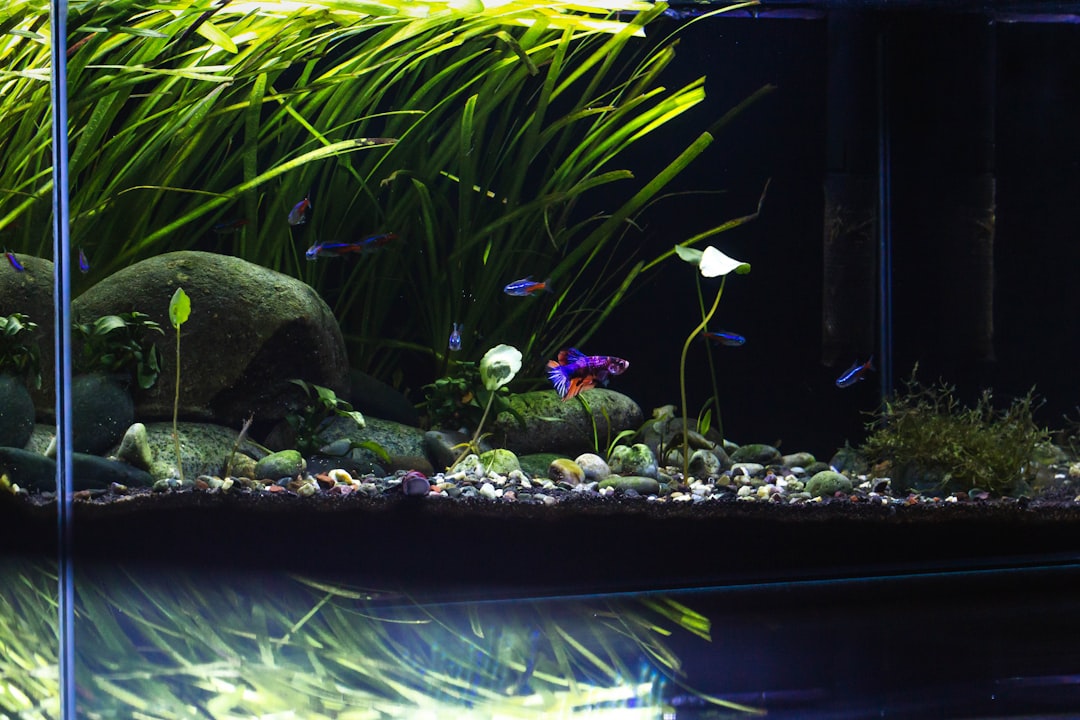
Keeping multiple female bettas together is one of the more challenging community setups in the hobby, and the aquascape you build plays a direct role in whether the group thrives or falls apart. A well-planned aquascape betta sorority tank uses dense planting, carefully placed hardscape and deliberate territory breaks to manage aggression. At Gensou Aquascaping, 5 Everton Park, Singapore, we have designed dozens of betta sorority layouts — here is what actually works.
Tank Size and Shape
Start with a minimum of 75 litres, ideally 100 litres or more. Larger floor space matters more than height because bettas patrol horizontal territory. A standard 60 × 30 × 36 cm tank (roughly 65 litres) is on the tight side for a sorority of five; a 90 × 30 × 36 cm tank at around 95 litres gives meaningfully more room for sight breaks and escape routes. Avoid tall, narrow tanks — bettas are surface breathers and vertical space does not help diffuse aggression.
The Role of Sight Breaks
Sight breaks are physical barriers that prevent one fish from maintaining constant visual contact with another. In a sorority, this is critical. If a dominant female can see every corner of the tank at all times, she will chase subordinates relentlessly. Tall driftwood, stone formations that reach mid-height, and dense plant clusters all serve as sight breaks. The goal is to create at least three to four distinct zones where a betta can retreat out of view. Think of the layout as a series of rooms rather than an open-plan studio.
Hardscape Layout
Dragon stone and spider wood are excellent choices for betta sorority tanks. Dragon stone has a rough, porous texture that supports biofilm growth (a natural food source for bettas) and creates overhangs and caves when stacked. Spider wood branches extend upward and outward, breaking sight lines across the tank’s length. Arrange hardscape to form two or three clusters rather than one central island — this divides the territory naturally. Leave swimming channels between clusters so fish can move freely without being cornered.
Plant Selection for Territory and Cover
Dense planting is non-negotiable. Tall stem plants like Hygrophila pinnatifida, Limnophila sessiliflora, and Rotala rotundifolia grow fast in Singapore’s warm water (28–32 °C) and form thick curtains within weeks. Midground plants such as Cryptocoryne wendtii and Cryptocoryne undulata tolerate low to moderate light and provide leaf cover near the substrate where submissive bettas often hide. Floating plants — Salvinia minima, Ceratopteris thalictroides (water sprite), or Amazon frogbit — dim the light, reduce stress, and give surface-dwelling bettas overhead security. An aquascape betta sorority tank without floating plants is missing one of its most effective calming tools.
Mosses and Epiphytes
Attach Java moss, Christmas moss or flame moss to driftwood and stone to soften the hardscape and add hiding spots in every layer of the tank. Bucephalandra and Anubias ‘Petite’ glued to wood provide broad leaves that bettas enjoy resting on. These epiphytes are low-maintenance, tolerate the lower light levels created by floating plants, and do not need nutrient-rich substrate — a practical advantage if you prefer sand or gravel over aquasoil in a fish-focused tank.
Substrate and Water Parameters
Fine gravel or sand works well for sorority tanks since the focus is fish health rather than demanding carpet plants. Singapore’s PUB tap water, with its soft GH of 2–4 and neutral to slightly acidic pH after conditioning, suits bettas well. Treat tap water with a chloramine-neutralising conditioner before every water change. Maintain the temperature at 26–30 °C; in most Singaporean homes, ambient room temperature keeps the water within this range without a heater, though air-conditioned rooms may need one.
Stocking the Sorority
Introduce five to seven females simultaneously to prevent an established hierarchy from targeting newcomers. Odd numbers tend to distribute aggression more evenly than even numbers. Source females from the same batch or similar age group if possible — size mismatches lead to bullying. Avoid plakat or wild-type females that show higher aggression than domesticated veiltail or halfmoon females. Always have a backup plan: a spare 15-litre tank for isolating any female that becomes excessively dominant or is being injured.
Compatible Tankmates
Dither fish help disperse aggression. Harlequin rasboras (Trigonostigma heteromorpha), ember tetras, and kuhli loaches are peaceful, widely available in Singapore, and tolerate the same warm, soft water. A group of eight to ten rasboras occupying the middle water column draws attention away from betta-to-betta confrontations. Avoid fin-nipping species like tiger barbs and skip bottom-dwellers with bright colours that might trigger territorial responses.
Maintenance and Observation
Perform 25–30% weekly water changes. Siphon detritus from behind hardscape clusters where waste accumulates in broken sight-line layouts. Feed small portions twice daily — overfeeding fouls water quickly and increases aggression around food. Most importantly, observe daily for the first two weeks. Torn fins, colour fading, and clamped posture are signs of chronic stress. If one female is the clear aggressor, remove her for 48 hours and rearrange the hardscape before reintroducing — the disrupted territory often resets the hierarchy.
Designing an aquascape betta sorority tank requires more planning than most community setups, but the result — a lush, dynamic tank full of personality — is worth the effort. Drop by Gensou Aquascaping for hardscape and plant packages tailored to sorority builds.
Related Reading



