
How to Aquascape a Nano Paludarium: Land and Water in 20 Litres
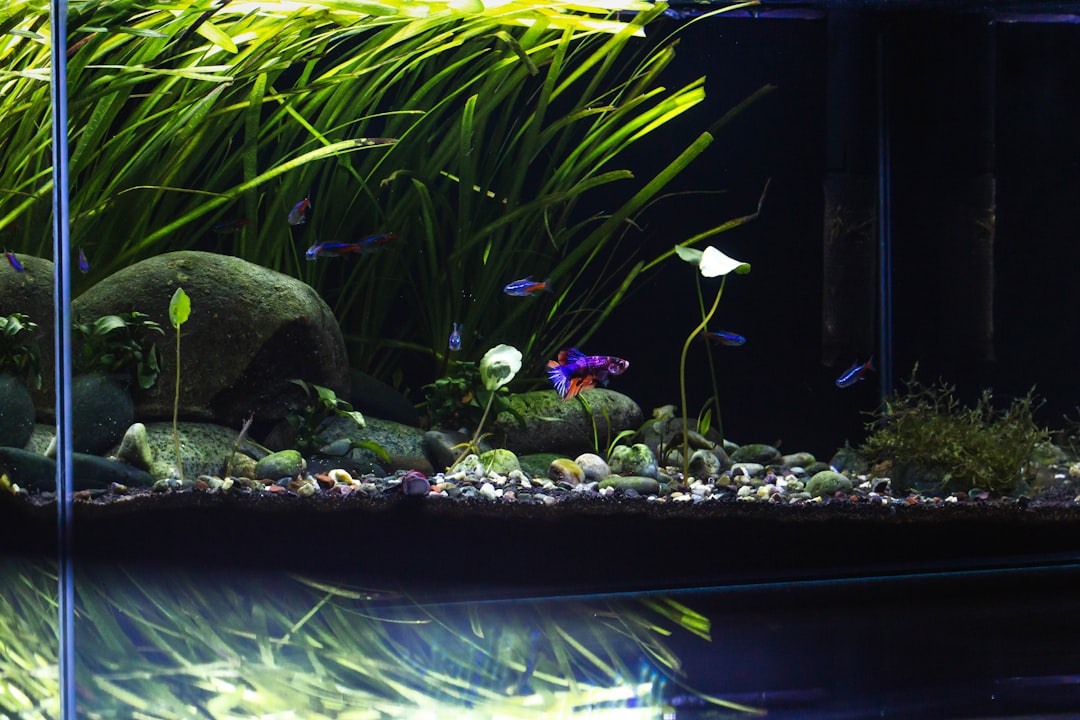
A paludarium merges terrestrial and aquatic worlds in a single enclosure, and scaling that concept down to 20 litres makes it accessible to anyone with a desktop and an outlet. The aquascape for a nano paludarium demands careful planning because every centimetre of space must serve double duty. This guide from Gensou Aquascaping at 5 Everton Park, Singapore, shows you how to build a stunning land-and-water scene in a compact footprint that thrives in our tropical climate.
Choosing the Right Enclosure
Standard aquariums work, but purpose-built paludarium tanks with a lowered front panel make maintenance and viewing far easier. A 25 x 25 x 30 cm cube holds roughly 18-20 litres of total volume and provides enough vertical space for both an emersed land section and a meaningful water area below. Rimless glass tanks from brands like ADA, Chihiros, and local alternatives on Shopee typically cost $30-60 in this size range. The open top is essential for airflow to the terrestrial plants and for accessing the interior without removing a lid.
Building the Land Section
The land area sits above the waterline, supported by hardscape and inert materials. Lava rock is the ideal building material: lightweight, porous, and naturally irregular. Stack pieces to create a raised platform occupying roughly 30-40 % of the tank footprint. Fill gaps with aquarium-safe filter foam to prevent substrate from washing into the water. Top the platform with a thin layer of sphagnum moss covered by a mix of aquasoil and tropical terrarium soil. This layered approach holds moisture without becoming waterlogged.
Emersed Plant Selection
Singapore’s high ambient humidity of 70-90 % is a tremendous advantage for paludarium land sections. Tropical mosses, ferns, and creeping plants thrive without supplemental misting in most homes. Fittonia (nerve plant) provides vibrant pink or white veined foliage and stays compact. Small ferns like Nephrolepis ‘Mini’ add vertical texture. Selaginella species carpet the land surface beautifully. For a natural look, allow terrestrial moss to colonise exposed rock faces over time. Avoid fast-growing tropicals that quickly outgrow the enclosure and demand constant trimming.
Underwater Plants and Layout
The submerged area in a nano paludarium is shallow, often just 10-15 cm deep. Choose low-growing aquatic plants that suit this limited water column. Anubias ‘Petite Nana’ attached to submerged rock faces thrives in the low light that the overhanging land section creates. Bucephalandra species add colour variety in the same conditions. A small patch of Eleocharis parvula on the substrate creates the impression of a miniature meadow along the water’s edge. Avoid tall stem plants that reach the surface and blur the land-water boundary.
Water Management
With only 8-12 litres of actual water volume, parameters shift quickly. A small internal filter or a nano canister filter maintains gentle circulation and biological filtration. Top off evaporation daily, as the open top and emersed section lose moisture steadily, especially in air-conditioned rooms. Use treated tap water for top-offs and perform 20-30 % water changes weekly. Singapore’s PUB water is soft and slightly acidic, which suits most paludarium livestock without adjustment. Monitor temperature casually: the small volume warms quickly, but ambient 28-30 °C is fine for tropical species.
Livestock That Fits
Nano paludariums support only the smallest aquatic creatures. A colony of 10-15 Neocaridina davidi shrimp adds colour and motion to the water section without significant bioload. A single Boraras brigittae trio or a few Boraras maculatus fit comfortably in the limited water volume. Snails like Clithon nerite species graze algae from submerged surfaces and never reproduce in fresh water. Resist the temptation to add larger fish: a betta or gourami in 10 litres of actual swimming space is cramped and stressful for the animal.
Lighting for Both Worlds
The emersed and submerged sections have different lighting needs. A compact LED fixture positioned above the land area provides the 6500-7000K spectrum that terrestrial plants prefer while allowing enough light to reach the aquatic zone below. If the underwater area looks too dim, a small clip-on LED aimed at the water surface supplements without heating the enclosure. Run lights for 8-10 hours daily. The terrestrial plants benefit from a slightly longer photoperiod than fully aquatic setups, and the risk of aquatic algae in a shaded, low-light water section is minimal.
Your First Nano Paludarium
Start simple. One rock platform, three or four emersed plants, two aquatic species, and a small shrimp colony create a complete ecosystem in 20 litres. Let the land section grow in over 4-6 weeks before judging the final result, as terrestrial mosses and creeping plants need time to establish. A well-built nano paludarium aquascape evolves beautifully over months, with emersed growth softening hard edges and aquatic plants filling the submerged zone naturally. Gensou Aquascaping stocks the plants, hardscape, and nano equipment you need to bring your paludarium vision to life in Singapore.
Related Reading
- How to Aquascape for Celestial Pearl Danios: Galaxy Rasbora Nano
- How to Aquascape for Clown Killifish: Surface Nano Design
- How to Aquascape a Crab Paludarium: Land, Water and Climbing
- How to Aquascape for Exclamation Point Rasboras: Dense Nano Jungle
- How to Aquascape for Forktail Rainbowfish: Pseudomugil Nano Display



