How to Aquascape a Catfish-Only Tank: Caves, Wood and Sand
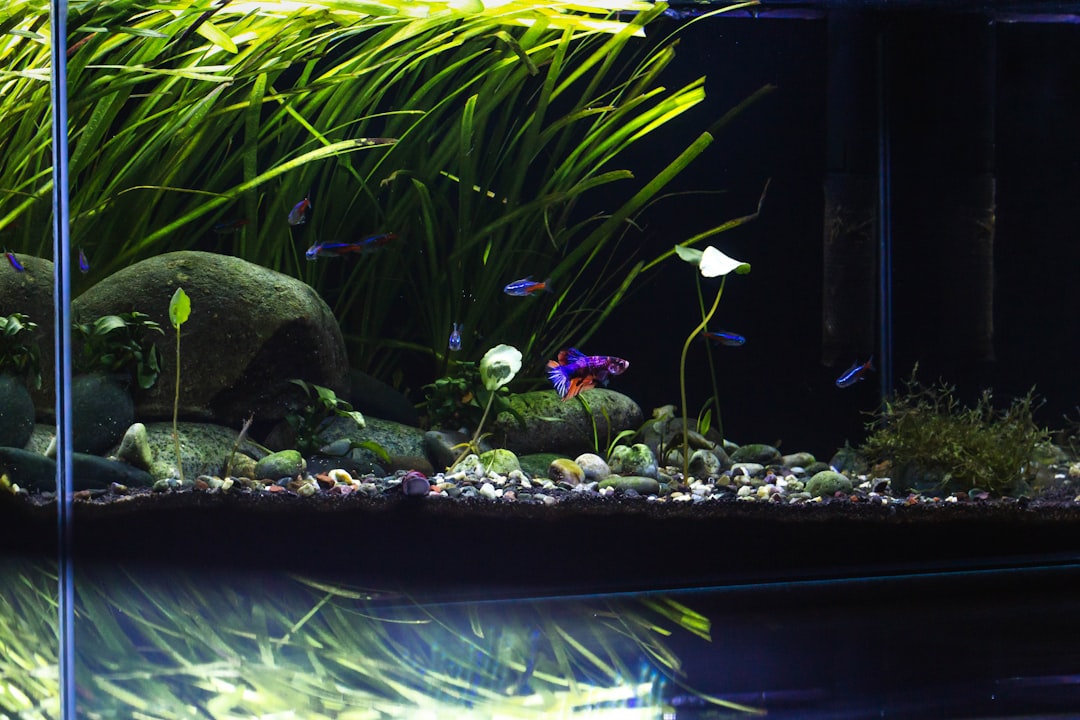
Catfish are the underappreciated heroes of the aquarium hobby — endlessly fascinating in behaviour, hugely diverse in form, and rewarding to keep when their environment is designed correctly. An aquascape for a catfish-only tank prioritises caves, hiding spots, soft substrate and shaded areas over the bright, open layouts typical of planted or community setups. This guide from Gensou Aquascaping in Singapore walks you through building a habitat that lets catfish thrive and display natural behaviours you will never see in a standard community tank.
Why a Dedicated Catfish Tank
Most catfish are nocturnal or crepuscular, spending daylight hours hidden and becoming active at dusk. In mixed community tanks, they often remain perpetually shy, never venturing out because brighter, faster species dominate the open water. A catfish-only setup removes that pressure. With appropriate tankmates of similar temperament, catfish grow bolder, display territorial and breeding behaviours, and actually use the entire tank rather than just skulking behind the filter.
Substrate Selection
Fine sand is non-negotiable for most catfish. Corydoras and Brochis species sift sand through their barbels while foraging — coarse gravel damages these delicate sensory organs over time. Play sand or pool filter sand ($8-12 for 25 kg at hardware stores in Singapore) works perfectly. Rinse it thoroughly before adding to the tank. For pleco species that prefer rocky environments, you can mix sand with a scattering of smooth pebbles for textural variation, but ensure the dominant substrate remains soft enough for bottom-dwellers to rest on comfortably.
Cave and Hiding Spot Design
Caves are the centrepiece of catfish aquascaping. Bristlenose and clown plecos adopt caves as territories and breeding sites — without them, these species will not spawn. Stack flat rocks (slate, shale or flagstone) to create overhangs and enclosed chambers. Ceramic pleco caves ($3-8 at local fish shops) come in various diameters tailored to specific species. Coconut shell halves provide budget hides for smaller catfish. Provide at least one cave per catfish, plus one or two extras to reduce territorial disputes.
Vary cave sizes to match your species. A 5 cm diameter cave suits a bristlenose; a 10-12 cm opening is needed for a royal pleco. Place caves in shaded areas of the tank, facing away from the light source for maximum security.
Driftwood as Habitat
Many pleco species — particularly Panaque, Panaqolus and some Hypostomus — rasp wood as part of their diet, consuming the cellulose and associated biofilm. Large pieces of Malaysian driftwood, mopani or bogwood are essential for these species, not merely decorative. Position driftwood to create additional hiding zones underneath and between branches. Allow biofilm and algae to develop naturally on wood surfaces; scrubbing them clean removes a primary food source for your catfish.
Planting Around Catfish
Catfish tanks can absolutely include plants, but species selection matters. Robust plants that attach to hardscape — java fern, Anubias, Bolbitis — are ideal because they cannot be uprooted by large catfish shuffling substrate. Avoid delicate stem plants; a 20 cm pleco blundering through Rotala stems at midnight will flatten your careful planting. Attach Anubias barteri to rocks near the front for a low-maintenance green element that tolerates low light and catfish clumsiness equally well.
Lighting for a Catfish Setup
Dim lighting suits catfish best. Keep intensity at 15-25 lumens per litre — enough to see your fish and grow low-light plants, but not so bright that nocturnal species hide all day. A timer running lights for 6-8 hours daily is sufficient. Floating plants like Salvinia or Amazon frogbit further reduce light penetration and create the shaded canopy catfish prefer. Many hobbyists add a dim moonlight LED strip that runs during evening hours, allowing them to observe catfish during their active period without disturbing them.
Stocking Ideas for Singapore Hobbyists
A 120-litre catfish-only tank could house a group of 6-8 Corydoras sterbai on the sand, a pair of bristlenose plecos in separate caves, and 3-4 Otocinclus for glass cleaning — a lively, interactive community. For larger tanks (200+ litres), consider a royal pleco (Panaque nigrolineatus), a group of striped Raphael catfish (Platydoras armatulus) and a school of larger Corydoras like C. aeneus. Avoid mixing aggressive species like redtail catfish with peaceful bottom-dwellers. Singapore shops stock an excellent variety of catfish species — explore beyond the common bristlenose.
Maintenance Priorities
Catfish are messy eaters that produce substantial waste, especially larger plecos. Run filtration rated for at least 8-10 times the tank volume per hour. Perform 25-30% water changes weekly, siphoning detritus from sand surfaces and behind caves where waste accumulates. Feed a varied diet: sinking wafers, blanched vegetables (courgette, cucumber, sweet potato), frozen bloodworm and occasional live foods. Drop food in after lights-out to ensure catfish actually receive it rather than losing it to faster daytime species — though in a catfish-only setup, this is less of a concern.
Related Reading