How to Aquascape a Tropical Vivarium: Frogs, Geckos and Water
A tropical vivarium blurs the line between aquarium and terrarium, combining a water feature with lush land sections inhabited by dart frogs, crested geckos or other small herps. Getting the aquatic portion right is where aquascaping skills become essential. This aquascape tropical vivarium guide from Gensou Aquascaping at 5 Everton Park, Singapore shows you how to design a water section that looks natural, functions safely for amphibians, and integrates seamlessly with the terrestrial half.
Understanding the Paludarium Concept
A vivarium with a water section is technically a paludarium. The water area can range from a shallow pool occupying 20 percent of the floor space to a substantial aquatic zone filling half the enclosure. Dart frogs need shallow water no deeper than 5-8 cm with easy exit points. Geckos rarely enter water but benefit from the humidity it generates. Your design should reflect the intended inhabitants; research their needs before committing to a layout. The aquatic zone is a functional element first and a decorative one second.
Enclosure Selection
Exo Terra and Zoo Med front-opening terrariums are popular choices because they allow access without disturbing the canopy. Sizes from 45 x 45 x 60 cm upward work for small species. For a more aquarium-heavy build, a standard rimless tank with a custom mesh lid provides better water volume and viewing clarity. In Singapore’s climate, ventilation is critical; fully sealed enclosures overheat in un-air-conditioned rooms where ambient temperatures reach 30-32 degrees C. A screen top or ventilation strip prevents dangerous heat buildup.
Building the Land-Water Divide
The barrier between land and water can be constructed from expanded foam carved and coated with silicone and coco fibre, or from stacked stone and wood forming a natural bank. Expanded foam is lightweight and allows creative shaping but requires careful waterproofing. Stone and wood are heavier but look authentic from day one. Ensure the transition offers a gentle slope so frogs or any small creatures that enter the water can climb out easily. A sheer vertical wall at the waterline is a drowning risk for terrestrial animals.
Aquascaping the Water Section
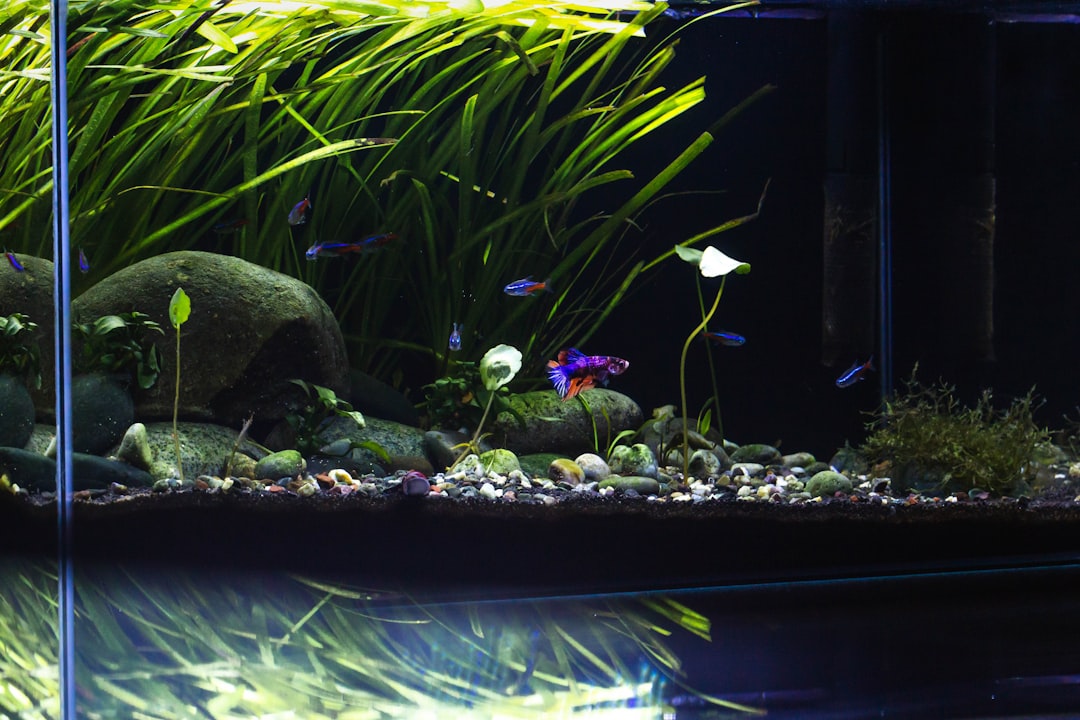
Keep the aquatic zone simple. A thin layer of fine gravel or sand (2-3 cm) over a false bottom made from egg crate or LECA balls provides drainage and prevents stagnation. Small pieces of driftwood extending from the land area into the water create natural bridges and perching spots. Attach java moss, Anubias nana petite, or Bucephalandra to submerged wood and stone. These low-light plants survive under the vivarium’s canopy, where most illumination is directed at the terrestrial plants above. Avoid tall aquatic stems that would block the view or crowd the shallow pool.
Water Circulation and Filtration
A small submersible pump rated at 200-400 litres per hour can drive a waterfall feature that aerates the pool and creates the humidity tropical herps need. Route the pump output through a piece of tubing hidden behind the background, emerging as a trickle over a rock face. For filtration, a compact internal sponge filter or a small canister hidden in the cabinet works. The water volume in a vivarium is usually small (5-20 litres), so filtration does not need to be heavy, but it must prevent stagnation. Standing water in a warm vivarium breeds bacteria and mosquitoes rapidly.
Terrestrial Plants That Complement the Aquascape
The land section is where tropical plant diversity explodes. Bromeliads, pothos, ferns (Asplenium nidus, Nephrolepis), fittonias, and miniature orchids all thrive in vivarium humidity. Position moisture-loving species near the water’s edge and more drought-tolerant plants higher up. Trailing plants like pothos can drape over the bank and dip roots into the water, softening the land-water boundary beautifully. Emersed aquatic plants like Anubias growing half in and half out of the water also help blur the transition.
Lighting for Both Worlds
Terrestrial vivarium plants need moderate to bright light (3000-5000 lux at canopy level) on a 10-12 hour cycle. Aquatic plants in the shaded pool cope with whatever trickles through. A full-spectrum LED bar mounted at the top of the enclosure serves both zones. Avoid placing the vivarium in direct sunlight, which overheats the enclosure in Singapore’s tropical climate. If your build includes UV-requiring species like diurnal geckos, add a small UV-B lamp positioned over the basking area, keeping it well clear of the water zone.
Maintenance and Long-Term Care
Top off the water section weekly to replace evaporation losses; in a humid vivarium this can amount to a litre or more per week. Perform partial water changes fortnightly, siphoning debris from the pool floor. Test pH and ammonia if you keep aquatic fauna like small shrimp or snails alongside the herps. Trim terrestrial plants regularly to prevent them from overwhelming the aquatic view. Gensou Aquascaping has built several paludarium installations for homes and offices in Singapore, and the combination of flowing water, green canopy and colourful amphibians creates a display that captivates everyone who sees it.
Related Reading