
Pseudotropheus Elongatus Care Guide: Slender Mbuna Varieties
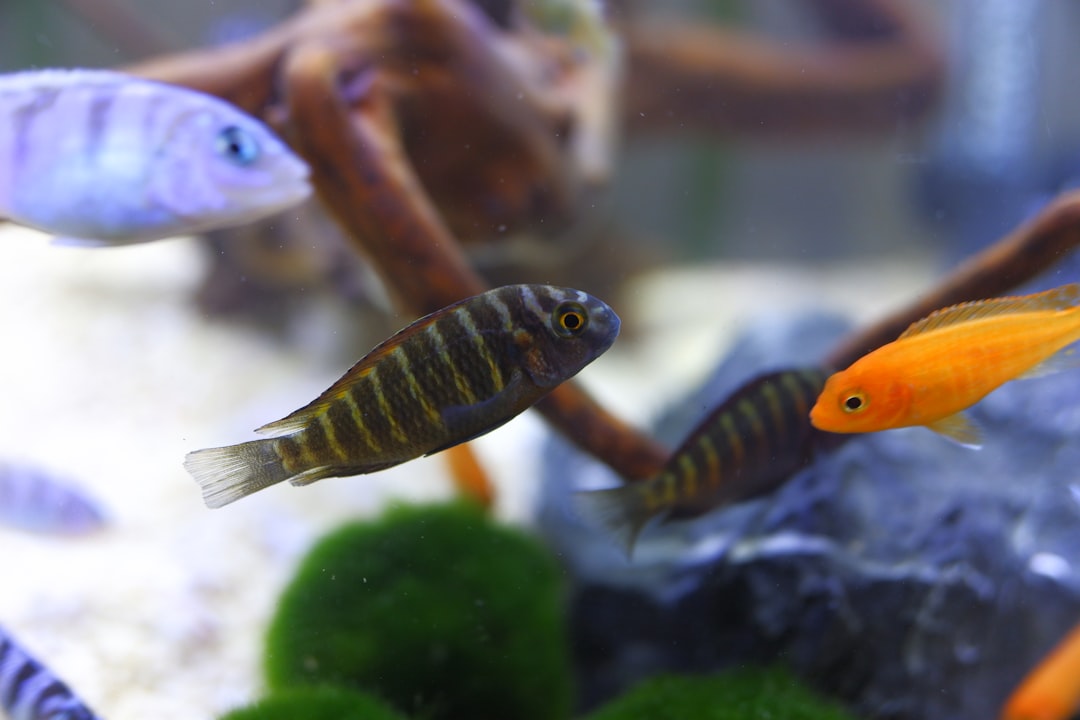
Few mbuna cichlids combine striking bar patterns with such a streamlined torpedo shape quite like Pseudotropheus elongatus. This pseudotropheus elongatus care guide from Gensou Aquascaping at 5 Everton Park, Singapore, walks you through everything needed to keep these slender Lake Malawi natives thriving in a tropical home aquarium. With their bold temperament and vivid blue-black banding, elongatus varieties have earned a loyal following among African cichlid keepers across Southeast Asia.
Species Overview and Varieties
Pseudotropheus elongatus is a collective label applied to several closely related mbuna from rocky habitats along the Malawian shoreline. Popular variants in the hobby include P. elongatus “Chewere,” “Mpanga,” and “Usisya,” each differing slightly in bar intensity and base colouration. Males typically reach 10-12 cm, while females stay slightly smaller at around 8-10 cm. Their laterally compressed, elongated body distinguishes them from chunkier mbuna like Metriaclima species.
Tank Size and Aquascape
A minimum 250-litre aquarium suits a single-species group, though 350 litres or more is preferable when mixing with other mbuna. Rock piles are essential — stack smooth, rounded rocks to create caves, overhangs, and line-of-sight breaks. Each female and subordinate male needs a bolt hole to escape the dominant male’s aggression. In Singapore’s HDB flats, place tanks of this size against load-bearing walls and confirm your floor can handle roughly 400 kg of total weight once filled.
Water Parameters
Lake Malawi cichlids prefer hard, alkaline water — aim for a pH of 7.6-8.4 and a GH of 10-18. Singapore’s PUB tap water is naturally soft at GH 2-4, so you will need crushed coral or aragonite substrate to buffer hardness upward. A bag of coral chips in the filter works well too. Temperature should sit between 24-27°C; our ambient room temperatures of 28-32°C may push the upper limit, so a small fan or clip-on cooler can help during hotter months.
Aggression and Stocking Strategy
Elongatus mbuna rank among the more aggressive species in the group. Keep one male to three or four females to spread territorial pressure. Overstocking slightly — a technique well known to African cichlid hobbyists — can reduce individual aggression by preventing any single fish from establishing total dominance. Compatible tankmates include Labidochromis caeruleus, Cynotilapia zebroides, and other robust mbuna of similar size. Avoid housing them with peaceful haplochromines or Peacock cichlids.
Diet and Feeding
In the wild, elongatus graze on aufwuchs — the biofilm of algae, microorganisms, and tiny invertebrates coating rocky surfaces. Offer a high-quality spirulina-based pellet or flake as the staple diet. Supplement with blanched vegetables like zucchini or spinach once or twice a week. Avoid protein-heavy foods such as bloodworms, which can cause bloat — a common and often fatal digestive issue in herbivorous mbuna. Feed small portions two to three times daily rather than one large meal.
Breeding in the Home Aquarium
Like all mbuna, P. elongatus are maternal mouthbrooders. The male displays intensely near his territory to attract a ripe female, who then picks up the fertilised eggs and incubates them in her buccal cavity for roughly 21-28 days. Broods typically number 15-30 fry. You can strip the holding female at around day 18 if you want maximum survival, placing the fry into a separate 30-litre grow-out tank with gentle sponge filtration.
Health and Common Issues
Malawi bloat is the primary concern. Symptoms include swelling, loss of appetite, and stringy white faeces. Maintaining a vegetable-heavy diet and keeping nitrate below 20 ppm are the strongest preventatives. Ich can also appear after temperature swings — use a heater set to 26°C to stabilise conditions if your room temperature fluctuates at night. Quarantine every new addition for at least two weeks before introducing it to an established colony.
Where to Source in Singapore
Specialist African cichlid stock rotates through shops along Serangoon North Avenue 1 and occasionally at C328 Clementi. Expect to pay $8-$15 per juvenile depending on the colour variant. Carousell sellers sometimes offer homebred elongatus at lower prices — just confirm the variant before purchasing. A well-maintained pseudotropheus elongatus colony can be a centrepiece display for years, rewarding patient keepers with vibrant colour and fascinating social dynamics.
Related Reading



