Nano Cube Aquascape Design Guide: Maximising a 25 cm Cube
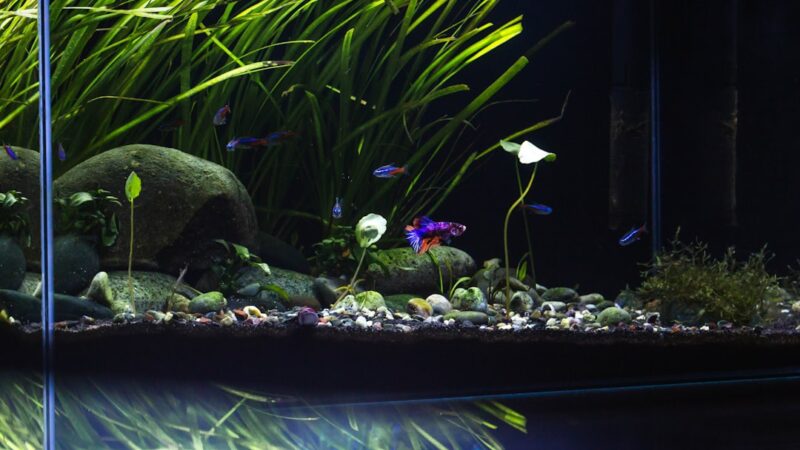
This nano cube aquascape design guide will help you transform a tiny 25 cm cube into a captivating underwater landscape that punches far above its size. At Gensou Aquascaping, located at 5 Everton Park in Singapore, we believe nano cubes are the perfect format for experimenting with design principles before scaling up to larger tanks.
Why the 25 cm Cube Is Ideal for Beginners
A 25 cm cube holds approximately 15 litres of water, which is enough to sustain a small planted ecosystem without demanding excessive space or budget. The cube format provides equal proportions on all sides, making composition easier than working with elongated rectangles. Equipment is minimal: a small hang-on filter or sponge filter, a clip-on LED light, and possibly a nano heater if the room is air-conditioned below 24 degrees Celsius.
In Singapore, quality 25 cm cube tanks from brands like ADA, DOOA, and UP Aqua are available at local shops for SGD 25 to SGD 80 depending on glass quality. Budget alternatives from Shopee start at around SGD 15.
Choosing a Layout Style
The three classic aquascaping layouts, concave, convex, and triangular, all work in a nano cube, but simplicity is paramount. In such a small space, clutter kills the design. A single focal stone with one or two accent pieces is far more effective than cramming in five or six rocks. The triangular layout, where height builds from one corner to the opposite side, is particularly forgiving in a cube format because it naturally creates open swimming space.
Another effective approach is the island layout, where a single mound of hardscape and plants sits in the centre surrounded by open substrate. This draws the eye inward and gives the illusion of a much larger space.
Hardscape Selection and Placement
Choose one type of stone and one type of wood to maintain visual coherence. For a 25 cm cube, a main stone no taller than 12 to 15 cm and one or two supporting stones are sufficient. Dragon stone, seiryu stone, and lava rock are all available at Singapore aquarium shops for SGD 3 to SGD 10 per piece at nano sizes.
Place the main stone slightly off-centre, following the rule of thirds. Angle it so the most textured face points toward the viewer. Bury the base of each stone at least 1 to 2 cm into the substrate to create a natural, grounded appearance. If using wood, choose a small piece that complements rather than competes with the stone.
Substrate Strategy
In a nano cube, substrate depth has a significant visual impact. Slope the substrate from roughly 2 cm at the front to 5 or 6 cm at the back. This slope enhances the sense of depth and provides adequate root space for background plants. Use a nutrient-rich aqua soil like ADA Amazonia for planted setups, or fine sand if you prefer a minimalist iwagumi look.
A one-litre bag of aqua soil, costing SGD 8 to SGD 15, is typically sufficient for a 25 cm cube. Consider adding a thin layer of power sand or pumice beneath the soil at the rear to improve drainage and reduce compaction over time.
Plant Selection for Nano Cubes
Scale is everything in a nano tank. Plants with large leaves such as Echinodorus or broad-leaf Anubias will overwhelm the space. Instead, choose species with small leaves and compact growth habits. Hemianthus callitrichoides, Glossostigma elatinoides, and Monte Carlo are excellent foreground carpeting plants. Micranthemum and Rotala species in their miniature forms work well for the midground.
For the background, Rotala rotundifolia or Ludwigia super red provide colour and height without becoming unmanageable. Attach Bucephalandra or Anubias nana petite to stones for accent detail. In total, three to five species is the sweet spot for a 25 cm cube. More than that and the layout begins to look chaotic.
Equipment Essentials
A small hang-on-back filter or a nano sponge filter provides adequate filtration for a 25 cm cube. Avoid oversized filters that create too much current for the small water volume. For lighting, a clip-on LED unit rated between 10 and 20 watts is sufficient. Popular options in Singapore include the Twinstar S series and the Chihiros C2, ranging from SGD 30 to SGD 70.
If you plan to grow a carpet, CO2 injection makes a noticeable difference. A disposable CO2 cartridge system or a small DIY citric acid setup costs SGD 20 to SGD 50 and fits discreetly behind a nano cube. Dose fertiliser sparingly; a single pump of all-in-one liquid fertiliser every other day is usually enough for this volume.
Maintenance Tips for Nano Cubes
Small water volumes are less stable than large ones, so consistent maintenance is essential. Perform a 30 to 50 per cent water change twice a week during the first month to prevent ammonia and algae issues. Once the tank is established, weekly changes of 30 per cent will suffice. Use a small siphon or turkey baster to remove debris from around the hardscape without disturbing the layout.
Trim plants frequently. In a nano cube, a week of unchecked growth can obscure the entire design. Regular trimming also encourages denser, more compact growth at the base, which improves the overall aesthetic.
Inspiration and Next Steps
A well-executed 25 cm nano cube can rival much larger aquascapes in visual impact. Study competition entries in the nano category of contests like IAPLC and the AGA Aquascaping Contest for inspiration. Photograph your tank regularly from the same angle to track its evolution and identify areas for improvement. When you are ready to take your nano cube skills further, visit Gensou Aquascaping at 5 Everton Park in Singapore for personalised design consultations and premium nano-scale materials.
Related Reading
- How to Aquascape for Celestial Pearl Danios: Galaxy Rasbora Nano
- How to Aquascape for Clown Killifish: Surface Nano Design
- How to Aquascape for Exclamation Point Rasboras: Dense Nano Jungle
- How to Aquascape for Forktail Rainbowfish: Pseudomugil Nano Display
- How to Aquascape for Licorice Gouramis: Ultra Soft Blackwater Nano