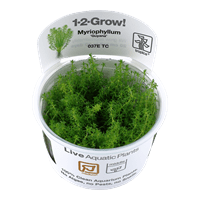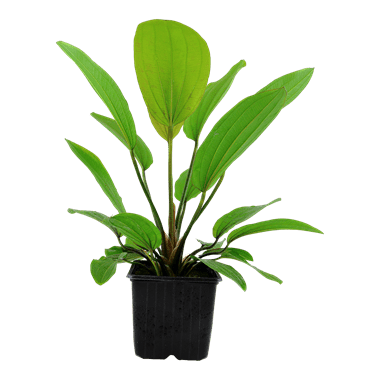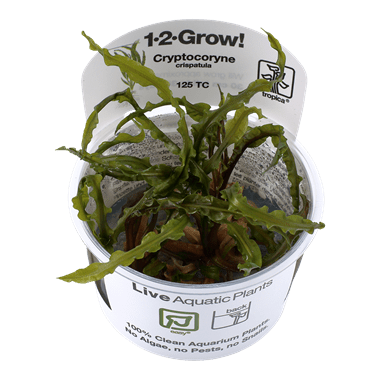
Cryptocoryne Crispatula TROPICA 1-2-GROW!
You save
Description
Cryptocoryne Crispatula
Aquarium plant from tissue culture in closed cup.
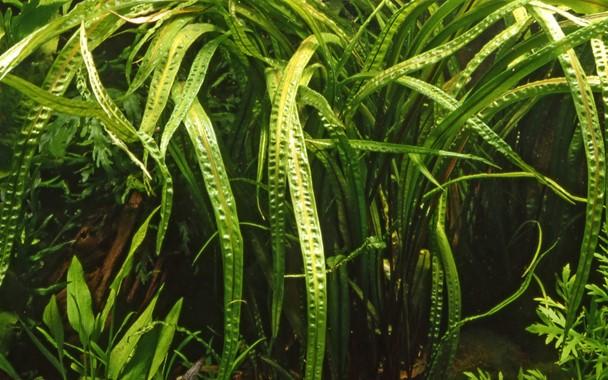
Cryptocoryne crispatula var. balansae is from the limestone mountains of Southern Thailand, where the water can be very hard. It is not very demanding, but appreciates a nutritious substrate and good light.
Like many other Cryptocorynes it needs to acclimatize before growth starts in earnest.
Leaves becomes 20-60 cm long and the single roset plant becomes 15-20 cm wide. Place it in the rear part of the tank, from where the leaves may float beautifully on the water surface. The leaves are either entirely green or maroon.
Plant Info
| Type: Rosulate | Origin: Asia, Growth rate: Medium, Height: 20 – 30+ |
|---|---|
| Light demand: | CO2 : |
Cryptocoryne Crispatula (Tropica 1-2-Grow!) in Singapore
This tissue-culture cup of Cryptocoryne crispatula var. balansae gives you clean, pest-free plantlets ready for a long-leaved background statement. The narrow, crinkled blades stretch tall and sway in flow, making it a striking choice for the rear of a taller tank or a dramatic single-species corner. We rate it as undemanding for a sword-like background plant, asking mainly for a rich substrate and steady light to reach its full length.
Originating from hard limestone waters in southern Thailand, it copes well across a wide range, including our local conditions once the tap water is treated. Our warm 27-29C tanks suit it with no chiller required. Plant the separated portions a little apart so they have room to fill in, and be patient through the usual Cryptocoryne settling period before the leaves really lengthen and the group knits together into a lush curtain.
Explore more rear-of-tank choices in our background-plants-live-plants category. Read our Cryptocoryne crispatula care guide and our tissue-culture melt fix guide to ease the transition from cup to substrate.