
Asian Stone Catfish Hara Jerdoni Care Guide: Indian Tiny Catfish
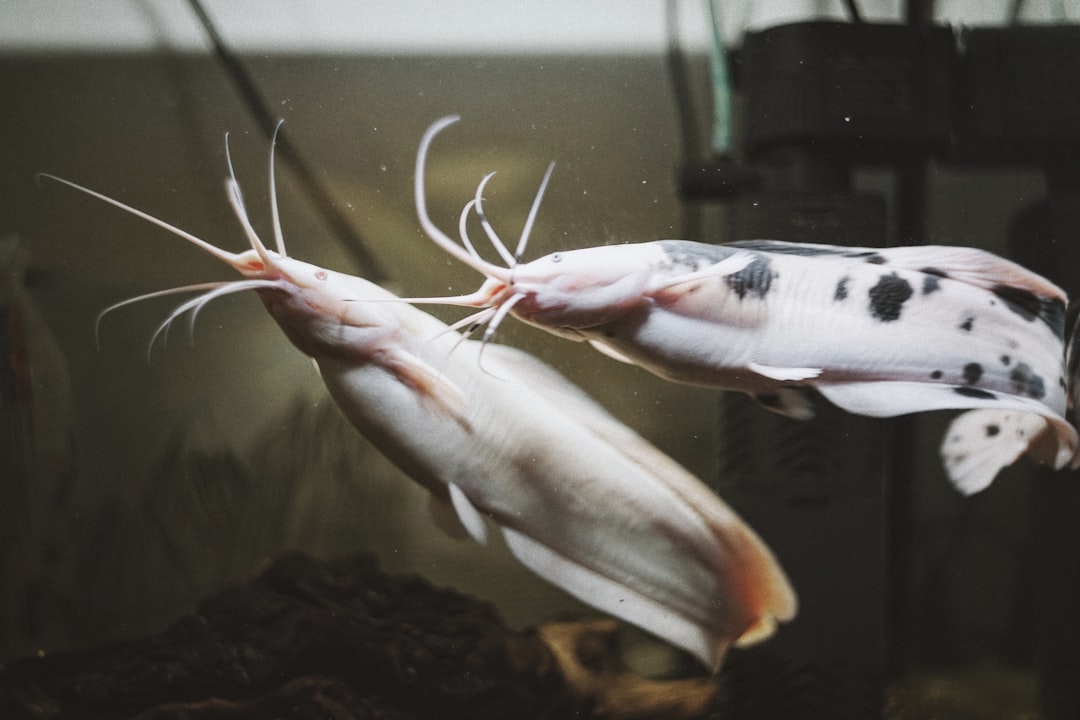
The Asian stone catfish is the smallest catfish you are likely to find in Singapore aquarium shops, and arguably the most charming for nano keepers willing to slow down and observe. Asian stone catfish hara jerdoni reaches just 2-3 cm at adult size, with a flattened body, oversized pectoral fins, and remarkable stillness that lets it blend into rock and leaf litter. The asian stone catfish hara jerdoni is a peaceful nano resident from northeastern Indian and Bangladeshi streams, preferring cooler water and gentle current. This guide from Gensou Aquascaping at 5 Everton Park covers the husbandry essentials.
Origin and Wild Habitat
The species inhabits cool, clear, slow-flowing streams in northeastern India, Bangladesh and parts of Nepal, including tributaries of the Brahmaputra and Ganges drainages. Habitat is fine sand and leaf litter substrate with overhanging vegetation cover, water pH 6.5-7.5, GH 4-10, and 22-26°C. The species is nocturnal and rests motionless during daylight.
Tank Size
A group of four to six settles into 30-45 litres. Larger groups of 8-10 in 60 litres show best social behaviour. Footprint matters more than depth. Stone catfish are nano-suitable for proper planted shrimp tanks and small aquascapes.
Aquascape
Build a fine sand substrate with leaf litter coverage, several small stones creating crevices, driftwood, and shade-tolerant plants — Java moss, Anubias, crypt species. Heavy plant coverage and dim lighting suit nocturnal habits. ANS Catappa Leaves Small from the botanical range serve as both biofilm substrate and resting cover.
Water Parameters
Target pH 6.5-7.5, GH 4-8, KH 2-6, temperature 22-26°C. The cool preference is the species’ main husbandry challenge in Singapore — a clip-on cooling fan typically suffices. Stone catfish tolerate brief temperature spikes to 28°C but chronic warm water shortens lifespan significantly. Singapore PUB tap parameters work directly once temperature is managed.
Filtration and Flow
Gentle flow only. Air-driven sponge or small HOB filter with low flow rate suits a stone catfish tank. Strong current displaces the fish from preferred resting spots and stresses them constantly. The QANVEE Bio Sponge Filter in the smallest size handles a nano stone catfish tank cleanly.
Feeding
Carnivorous with very small mouth. Frozen daphnia, frozen cyclops, microworm, baby brine, very small live blackworm and crushed micro-pellet form the staple. Feed in the evening when nocturnal habits bring the fish out to forage. The small fish food range includes appropriate micro-pellet options for tiny mouths.
Behaviour
Diurnally inactive, nocturnally active. Stone catfish spend daylight motionless on leaves, stones or substrate, often grouped together. Evening activity includes slow foraging across the substrate and gentle interaction within the group. Single specimens become more reclusive; groups of four or more display the most natural behaviour.
Tank Mates
Highly compatible with peaceful nano fish. Pair with chilli rasboras, ember tetras, dwarf shrimp (Neocaridina, Caridina), small Otocinclus, and other peaceful sub-3 cm species. Avoid anything that occupies the same bottom zone aggressively or that might predate on the small slow-moving catfish — even larger Corydoras can outcompete them at feeding.
Breeding
Captive breeding is rare and poorly documented. Most stock in trade is wild caught from northeastern India and Bangladesh. Some keepers report occasional spawning in mature heavily-planted tanks but reliable protocols do not exist for the species.
Singapore Sourcing
Wild Hara jerdoni arrives through Iwarna periodically at SGD 6-12 per fish, often in mixed Hara genus shipments. Inspect carefully against published photos — Hara hara, Hara horai and Erethistes species look similar and are sometimes mixed in shipments. Buy a group of four to six minimum. House them in a 30-45 cm cube from the aquarium tank range.
Why Stone Catfish Suit Nano Aquascaping
Three factors make Hara jerdoni a strong choice for serious nano keepers: genuine micro size at 2-3 cm fits scapes too small for any other catfish, peaceful temperament works with shrimp and rasbora communities, and the camouflage colouration and slow movement add a contemplative element to display tanks. They are also less commonly seen than Otocinclus or pygmy Corydoras, giving the tank visual distinctiveness. The cool requirement and nocturnal habits limit broader appeal but reward patient observation in dedicated setups.
Related Reading



