
Asian Stone Catfish Care Guide: Masters of Camouflage
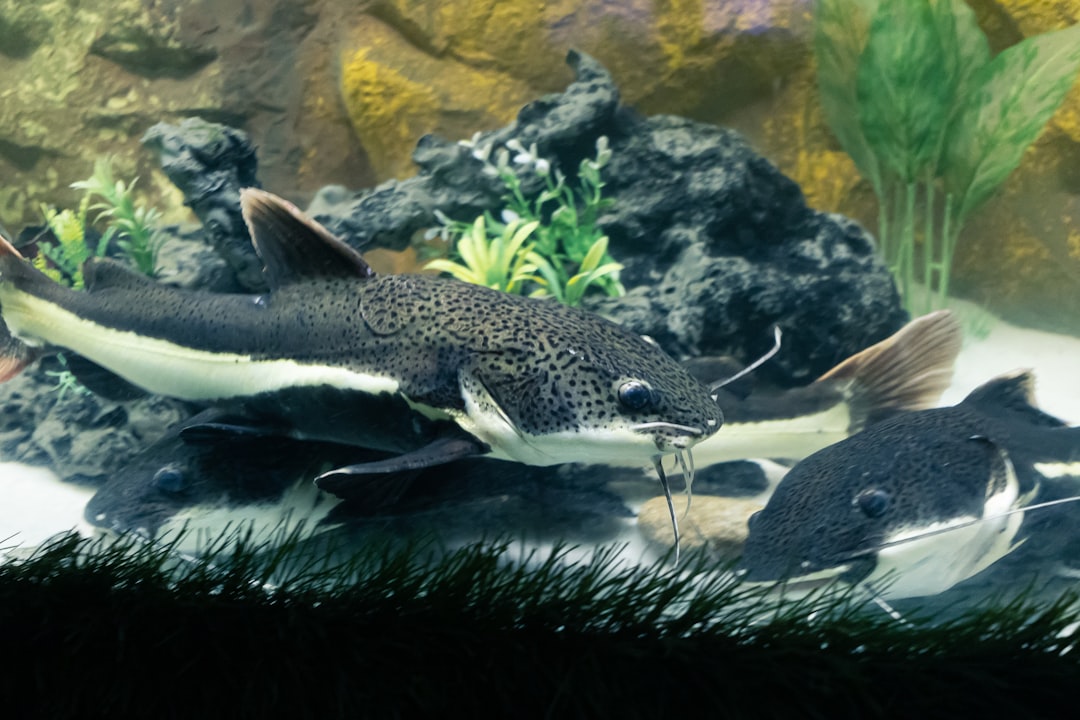
The Asian stone catfish (Hara jerdoni) is one of the smallest and most unusual catfish in the freshwater hobby. At just 2–3 cm, this tiny oddball looks exactly like a dead leaf or small pebble resting on the substrate — camouflage so perfect that many keepers lose track of their fish entirely. This Asian stone catfish care guide from Gensou Aquascaping at 5 Everton Park covers this fascinating miniature.
Asian Stone Catfish Overview
Asian stone catfish belong to the family Erethistidae and are found in slow-moving streams and rivers in India and Bangladesh. They reach just 2–3.5 cm and live for three to five years. Their body is flat, rough-textured and mottled brown — almost indistinguishable from a small stone or piece of bark. They have broad pectoral fins that spread flat against the substrate and small barbels. Several similar species are sold under the same common name, including Hara jerdoni and Hara hara.
Tank Requirements
A group of four to six Asian stone catfish can live in a 20-litre nano tank, though 30–40 litres provides better conditions. They prefer slow-moving, well-oxygenated water at slightly cooler temperatures — 18 °C to 24 °C is ideal. In Singapore, an air-conditioned room is beneficial. Target pH 5.5–7.5 and GH 3–10 dGH. A gentle sponge filter provides the low-flow filtration they prefer. Strong currents exhaust these tiny, sedentary fish.
The Camouflage Challenge
These catfish are so perfectly camouflaged that finding them in the tank is genuinely difficult. They sit motionless on the substrate, on driftwood or among leaf litter for hours at a time, barely moving except to occasionally shift position. Some keepers go days without seeing them and assume they have died, only to find them during a water change hiding in plain sight. Using a contrasting substrate colour (light sand with dark fish, or vice versa) helps with visibility, though it reduces the camouflage effect that makes them so fascinating.
Diet and Feeding
Asian stone catfish are nocturnal micro-predators that feed on tiny invertebrates, worms and insect larvae. In captivity, offer frozen bloodworm (chopped small), frozen daphnia, cyclops, live baby brine shrimp and micro worms. They rarely accept dry food. Feed after lights out, placing food directly near their resting spots — they will not travel far to find food. Their sedentary nature and tiny size mean they need very little food, but it must be the right type and delivered to the right place.
Tank Mates
Only very small, peaceful species should share their space. Suitable companions include small rasboras, ember tetras, pygmy Corydoras, small shrimp and snails. Avoid any fish large enough to eat them (anything over 6 cm) or boisterous species that disturb their peaceful bottom-dwelling lifestyle. They are completely non-aggressive and will not compete for food with active feeders.
Aquascaping
Provide a substrate of fine sand or smooth gravel with plenty of leaf litter, small pebbles and driftwood. Catappa leaves and oak leaves create a natural carpet where the catfish blend in and feel secure. Dense low-growing plants and mosses add cover. The tank should be dimly lit — bright light stresses them and discourages activity. A heavily decorated nano tank replicating a forest stream floor is the ideal habitat.
Common Health Issues
Starvation is the primary risk — their refusal to eat dry food and sedentary nature means missed feedings have a bigger impact than with active fish. Ensure food reaches them directly. They are sensitive to poor water quality and medication — avoid copper and harsh chemicals. Handle with extreme care during tank maintenance — their camouflage means you can accidentally crush them against the glass or substrate without realising they are there.
Related Reading



