
Best Breeding Mops for Killifish and Egg Scatterers
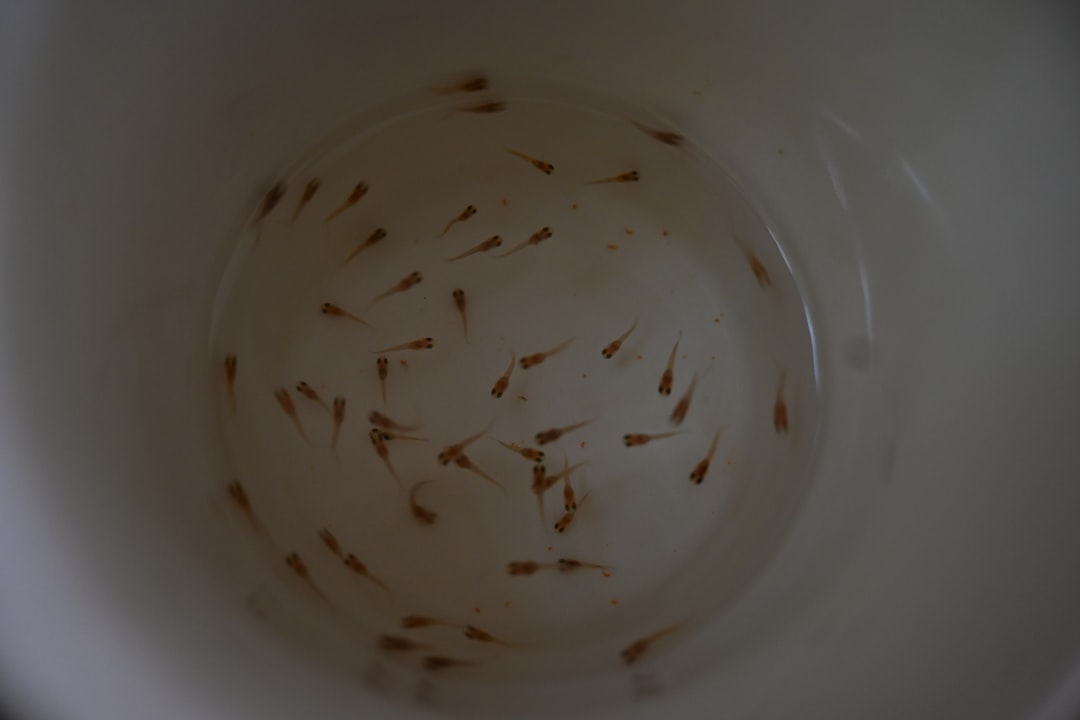
A breeding mop is one of the simplest and most effective tools in a fish keeper’s spawning kit — yet the difference between a mediocre mop and a well-designed one can be measured in eggs collected. Killifish, in particular, are famously particular about their spawning substrate: the strands need the right density, length, and texture for the fish to feel confident depositing eggs. This guide from Gensou Aquascaping at 5 Everton Park, Singapore covers the best breeding mops for killifish spawning and other egg-scattering species, from DIY options to commercial picks.
Why Breeding Mops Work
Floating mops mimic clumps of fine-leafed surface plants — the natural spawning site of most killifish, including annual species like Nothobranchius and surface spawners like Epiplatys. Submerged mops simulate the dense grass beds used by mid-water egg scatterers like danios, barbs, and Corydoras. Eggs lodge between the strands, protected from adult fish that would otherwise eat them. A good mop lets you pull the whole thing out of the tank, pick eggs directly from the strands under a magnifier, and place them in a rearing container — a clean, reproducible process that vastly outperforms natural plantings for controlled breeding.
Yarn Material: Acrylic vs Wool vs Nylon
Acrylic yarn is the gold standard for DIY breeding mops. It is inert, does not rot, tolerates repeated boiling for sterilisation, and comes in dark colours — dark green or black mops trigger spawning behaviour more reliably than bright colours. Avoid natural fibres: wool degrades quickly in water and can introduce fungal issues. Nylon rope mops are sold commercially and are durable, but some brands are too coarse for small species like Pseudepiplatys annulatus (clown killifish), whose eggs are tiny enough to fall through wide-spaced strands.
When buying yarn locally in Singapore, a 100 g ball of dark green 4-ply acrylic from a craft shop in Peninsula Shopping Centre or Spotlight will make dozens of mops at a fraction of the cost of commercial options.
DIY Breeding Mops: Construction
Cut 30–40 strands of acrylic yarn to approximately 15–20 cm length. Bundle them together, fold in half, and tie tightly at the fold with a short piece of the same yarn. For a floating mop, attach a cork or styrofoam float to the tie point; for a submerged mop, use a small fishing weight or tie a glass marble into the bundle base. The finished mop should be dense enough that a finger pressed into the strands meets gentle resistance — too sparse and eggs fall out, too dense and fish avoid it.
Boil new mops for 10 minutes before first use to remove any sizing from the yarn and render them safe for sensitive species and shrimp tanks.
Commercial Mop Options Worth Buying
For keepers who prefer ready-made gear, a handful of commercial mops stand out. Darkened polyester mops sold by specialist killifish suppliers (available through Carousell sellers in Singapore or ordered from regional vendors in Malaysia) offer consistent strand density and come pre-attached to cork floats. These are particularly good for annual killifish breeders managing multiple species simultaneously — uniformity matters when you are comparing spawning rates across tanks.
Moss balls shaped into spawning receptacles are marketed for Corydoras but work poorly for killifish, as the dense spherical structure makes egg collection tedious. Stick to strand-based mops for any species where you plan to hand-pick eggs.
Floating vs Submerged: Which to Use
Floating mops suit all killifish that deposit eggs in surface vegetation — most Aphyosemion, Epiplatys, and Fundulopanchax species. Position the mop so it touches the water surface but does not pile up against the tank wall, which discourages fish from entering it. Submerged mops on the tank floor work for annual killifish that prefer to scatter eggs into the substrate (Nothobranchius will use both but prefer peat or substrate over mops), and they are the right choice for danios, white clouds, and most barbs.
Some breeders run both simultaneously in the same tank, which increases the chance of observing which surface the fish actually prefer — useful data when working with a species for the first time.
Egg Collection and Mop Hygiene
Check mops daily during active spawning. Killifish eggs are typically 1–2 mm in diameter, light amber to cream coloured, and slightly tacky when first laid. Gently part the strands over a shallow white dish under a bright lamp — fertile eggs are firm and clear to slightly opaque; infertile or fungused eggs cloud quickly and turn white. Remove fungused eggs immediately to protect neighbouring healthy ones.
Rinse mops in dechlorinated water (not tap water, which contains chloramine in Singapore’s PUB supply) between uses, and re-boil them monthly if used continuously. A mop that smells musty has developed a biofilm and should be retired.
Storage and Peat Incubation
After collecting eggs from annual killifish mops, store them in slightly moist peat moss in a sealed container at 24–26°C for the species-appropriate diapause period — anywhere from 6 weeks for fast-cycling species to 6 months for longer annual species. Label containers with species, collection date, and expected water date. This simple system, combined with quality mops, forms the backbone of a productive annual killifish breeding programme.
Related Reading



