Best Water Polishing Pads for Crystal Clear Aquariums

Fine particulate matter — shed biofilm, suspended mulm, plant debris — is the invisible enemy of crystal-clear water. A quality mechanical polish stage at the end of your filter media stack will trap particles as small as 5 microns, turning a hazy tank into something that looks like liquid glass. This guide from Gensou Aquascaping at 5 Everton Park, Singapore covers the best water polishing pads for aquariums, what to look for when buying, and how to use them without choking your filter flow.
What a Polishing Pad Actually Does
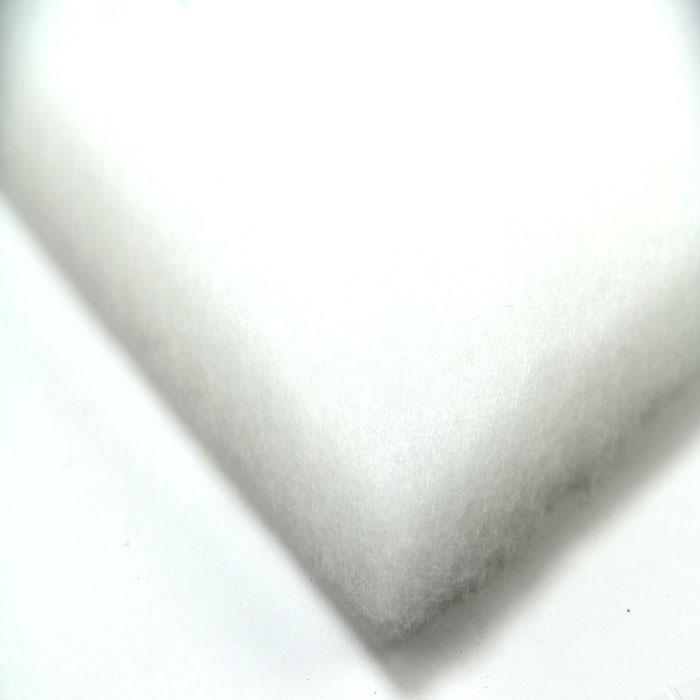
Polishing pads are fine-grade mechanical filter media — typically polyester floss or spun fibres pressed into a sheet or roll. They sit downstream of coarse and medium sponges, catching whatever slips through. Unlike ceramic rings or bio-media, they provide no biological filtration; their only job is physical straining. Most white polishing floss marketed for aquariums traps particles in the 5–20 micron range, which covers fine dust, micro-algae, and suspended organic matter.
They are not permanent media. A polishing pad loads up within days to weeks depending on your bioload, and a clogged pad reduces flow rate significantly. Plan to rinse or replace yours every one to four weeks.
Key Specs to Compare
When evaluating any polishing pad, four factors matter most. Micron rating — lower is finer; 5–10 micron pads polish aggressively but clog faster than 20 micron options. Thickness — thicker pads (25–30 mm) hold more particulate before they need replacement. Material — polyester floss is almost universal, but some premium options use layered fibres of different densities so coarser outer layers pre-filter before the fine core takes over. Finally, cut-ability — you will almost always need to trim a pad to fit your sump tray, canister basket, or hang-on filter chamber.
Filter Floss Rolls vs Pre-Cut Pads
Rolls are the budget-friendly workhorse. A 30 cm × 5 m roll of quality polyester filter floss costs around $8–$15 on Shopee and will last months even with weekly swaps. You cut to size, use it once or twice, then discard or rinse. Pre-cut pads — sold in packs designed to fit specific filters like the Oase BioMaster or Eheim Classic — cost more per piece but save time. For sump users with tray-style mechanical stages, rolls almost always win on economy.
Japanese filter mat (often marketed under brands like Matsuda or similar grey/white dense mat) sits between these two categories. It is reusable, rinses without falling apart, and retains its structure over months. It is not as fine as polyester floss, but for a high-flow sump stage it offers a sensible balance of flow rate and clarity.
Recommended Options Available in Singapore
For canister filters, a 5-micron polyester floss sheet trimmed to basket size consistently produces the clearest water and is available in bulk rolls from most Serangoon North fish shops or online via Lazada. For sump users, Japanese grey filter mat in 4 cm thickness makes an excellent coarse-to-medium pre-polish layer before a final floss sheet. If you want a ready-made upgrade, look for the Seachem FilStar Polish Pad or equivalent branded pads — they are rated to around 10 microns and fit several common filter models without trimming.
Regardless of brand, the best water polishing pad for your aquarium is one you will actually replace regularly. An inexpensive roll you swap weekly beats a premium pad you leave in for three months.
Placement Matters More Than Brand
A polishing pad placed before bio-media will clog quickly and starve beneficial bacteria of flow. Always position it as the final mechanical stage — after coarse sponges, after any chemical media like carbon or Purigen, and immediately before water returns to the tank. In a sump, this means the last tray or sock before the return pump chamber. In a canister, it goes on top of the media stack closest to the outlet.
Polishing Pads and Shrimp Tanks
Singapore shrimp keepers running Caridina or Neocaridina tanks benefit especially from polishing filtration. Shrimplets, moults, and uneaten food powder cloud the water quickly in small tanks. A fine floss layer in a small internal filter or a hang-on box filter dramatically reduces this haze. Just ensure the intake is shrimp-safe — pair your polishing stage with a sponge pre-filter over the intake so juveniles are not drawn into the filter at all.
When Polish Alone Is Not Enough
If water stays hazy even with a clean polishing pad in place, the problem is likely not mechanical at all. Bacterial bloom (white/grey haze) points to an unstable nitrogen cycle; green water means free-floating algae and requires UV sterilisation rather than mechanical filtration. A polishing pad will clog almost instantly when confronted with a green water outbreak and will not solve the underlying light or nutrient imbalance. Diagnose before spending money on media.
Maintaining Flow Rate
Check your return flow or filter output weekly when breaking in a new polishing layer. A drop of more than 30% signals the pad is loaded and needs to be rinsed or replaced. Running a clogged pad stresses your pump motor and, in a canister, can reduce oxygen delivery to biological media. At Gensou Aquascaping, we recommend keeping a spare roll of floss cut to size so maintenance takes under two minutes — no excuse to leave a blocked pad in place.
Related Reading