Best Fish for Kids in Singapore: Easy, Fun and Colourful
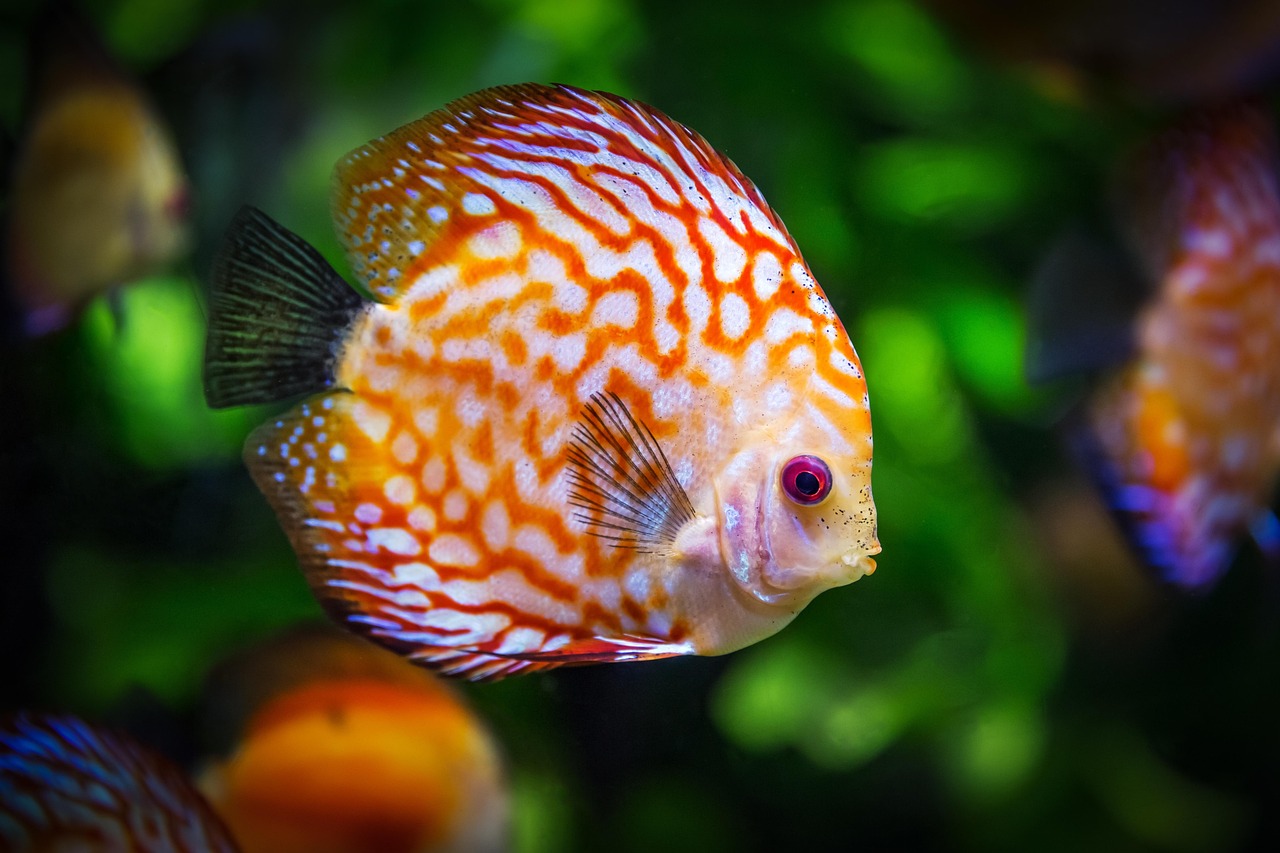
Table of Contents
- Why Fish Make Great Pets for Kids
- 8 Best Fish and Aquatic Pets for Kids
- Age-Appropriate Care Tasks
- Budget Kid-Friendly Setup
- Common Mistakes Parents Make
- Frequently Asked Questions
Why Fish Make Great Pets for Kids
In Singapore’s HDB flats and condos, space for pets is often limited. Fish offer a wonderful solution — they are quiet, do not require walks, do not trigger allergies, and can fit comfortably on a desk or shelf. More importantly, caring for an aquarium teaches children responsibility, patience, and an appreciation for living ecosystems.
The key is choosing the right species. The best fish for children are hardy enough to tolerate beginner mistakes, visually engaging to hold a child’s attention, and easy enough for a young person to help care for with parental guidance. Here are our top picks, refined through over 20 years of helping Singapore families set up their first aquariums at Gensou.
8 Best Fish and Aquatic Pets for Kids
1. Guppies
Guppies are arguably the perfect first fish for children. They are colourful, active, and — perhaps most excitingly for kids — they breed readily. Watching a female guppy give birth to live fry is genuinely thrilling for young hobbyists and provides natural lessons about reproduction and life cycles.
- Why kids love them: Vibrant colours, constant activity, live babies
- Difficulty: Very easy
- Tank size: 30 litres minimum
- Temperature: 24–30 °C (perfect for Singapore without a heater)
- Tip: Start with all males if you do not want breeding, or a ratio of 1 male to 2–3 females if you do
2. Platies
Platies are another excellent livebearer for children. They come in a rainbow of colour varieties — red, orange, yellow, blue, sunset, tuxedo — and are incredibly hardy. They tolerate a wide range of water conditions, making them forgiving of the parameter fluctuations that sometimes occur in a beginner’s tank.
- Why kids love them: Wide colour range, chunky and cute, hardy
- Difficulty: Very easy
- Tank size: 40 litres minimum
- Temperature: 22–28 °C (comfortable in Singapore)
- Tip: Mix different colour varieties for a striking display
3. Bettas
Bettas have personality. Unlike schooling fish that move as a group, a betta is an individual — it recognises its keeper, responds to your presence, and can even be trained to follow your finger along the glass. This interactive quality makes bettas particularly appealing to children who want a “pet with personality” rather than generic fish.
- Why kids love them: Personality, interactive, stunning fins and colours
- Difficulty: Easy
- Tank size: 15 litres minimum (bigger is always better)
- Temperature: 26–30 °C (ideal for Singapore)
- Tip: One male per tank. Avoid tiny bowls — bettas deserve a proper filtered tank
4. Cherry Shrimp
Dwarf shrimp are endlessly fascinating for children (and adults). Cherry shrimp are constantly busy — grazing on biofilm, picking at surfaces, swimming through plants, and interacting with each other. Watching a berried female carrying eggs under her tail, and then seeing tiny baby shrimp appear, is captivating for young nature enthusiasts.
- Why kids love them: Unique appearance, fascinating behaviour, breed easily
- Difficulty: Easy (in a cycled tank)
- Tank size: 15 litres minimum
- Temperature: 22–28 °C (fine in Singapore, though they prefer the lower end)
- Tip: Add Java moss and hiding spots for baby shrimp survival
5. Mystery Snails
Mystery snails are surprisingly entertaining to watch. They glide across glass, munch on algae, extend their long siphon tube to the surface for air, and occasionally “parachute” by releasing from the glass and floating down. Their large size (compared to pest snails) makes them easy for kids to observe and name.
- Why kids love them: Visible, fun to watch, unique behaviour (floating, siphoning)
- Difficulty: Very easy
- Tank size: Can be added to any existing tank
- Temperature: 22–28 °C
- Tip: Available in gold, blue, ivory, and other colours at most Singapore fish shops
6. Zebra Danios
Zebra danios are small, zippy, and practically indestructible. They are one of the hardiest freshwater fish available, tolerating a remarkable range of water conditions and temperatures. Their constant, energetic swimming provides visual entertainment, and their horizontal stripes make them easy to identify.
- Why kids love them: Fast and active, bold striped pattern, very hardy
- Difficulty: Very easy
- Tank size: 40 litres minimum (they are active swimmers)
- Temperature: 18–28 °C (extremely adaptable)
- Tip: Keep in groups of at least 6 for best behaviour
7. White Cloud Mountain Minnows
White cloud minnows are peaceful, pretty, and one of the few common aquarium fish that actually prefer cooler water — which makes them surprisingly suitable for a Singapore setup without a heater or chiller, provided the tank is in an air-conditioned room or well-ventilated area. Their iridescent flanks flash beautifully under light.
- Why kids love them: Shimmering colour, peaceful, easy to keep
- Difficulty: Very easy
- Tank size: 30 litres minimum
- Temperature: 16–24 °C (may struggle in very hot, non-air-conditioned rooms)
- Tip: Best suited to air-conditioned rooms in Singapore or outdoor tubs on shaded balconies during cooler months
8. Medaka (Japanese Rice Fish)
Medaka have surged in popularity in Singapore, and for good reason. They are small, colourful (available in dozens of varieties), and can be kept outdoors in a balcony tub or container pond — which is an exciting and different type of fishkeeping for children. Watching medaka in a planted outdoor tub with floating plants is a wonderful nature experience.
- Why kids love them: Outdoor keeping possible, many colour varieties, breed easily
- Difficulty: Easy
- Tank size: 15 litres minimum (or an outdoor tub/container)
- Temperature: 15–30 °C (very adaptable to Singapore conditions)
- Tip: A planted outdoor tub is a fantastic school holiday project for kids
Age-Appropriate Care Tasks
Involving children in aquarium care teaches responsibility, but tasks should match their age and ability. Here is a practical guide.
| Age Group | Suitable Tasks | Parent’s Role |
|---|---|---|
| 3–5 years | Watching, naming fish, pointing out behaviours | Handle all care. Use the tank as a teaching tool. |
| 5–7 years | Feeding (pre-measured portions), counting fish, observing | Supervise feeding closely. Handle water changes and maintenance. |
| 7–10 years | Feeding independently, light cleaning (glass algae with a magnetic cleaner), helping with water changes | Supervise water changes. Handle chemical additions (dechlorinator). |
| 10–13 years | Full feeding routine, water changes with guidance, basic water testing, monitoring fish health | Oversee and teach. Let them take increasing ownership. |
| 13+ years | Full aquarium care independently | Advisory role. Encourage research and learning. |
The most important rule: pre-measure food portions for younger children. Overfeeding is the number one cause of water quality problems in kid-maintained tanks. A small pinch that fish consume within 2 minutes is all that is needed.
Budget Kid-Friendly Setup
A complete, attractive aquarium for a child does not need to be expensive. Here is a practical budget setup.
| Item | Estimated Cost |
|---|---|
| 30 cm glass tank | $20–$40 |
| Small LED clip-on light | $15–$30 |
| Sponge filter + small air pump | $10–$20 |
| Fine gravel or sand (1 bag) | $8–$15 |
| Small piece of driftwood | $10–$20 |
| Java fern + Java moss (2 portions) | $8–$16 |
| Water conditioner (Seachem Prime, small bottle) | $10–$15 |
| Fish food (small container) | $5–$10 |
| Fish (6 guppies or 1 betta) | $6–$15 |
| Total | $92–$181 |
This gives you a complete, properly filtered and lit tank with live plants and colourful fish for under $200. No heater needed in Singapore’s climate — one less expense and one less piece of equipment to manage.
For a more detailed breakdown of aquarium costs, see our full guide on setting up an aquarium for kids.
Common Mistakes Parents Make
- Buying a tiny bowl instead of a proper tank: Bowls are cruel (no filtration, poor oxygen exchange) and actually harder to maintain than a small filtered tank. A 15–30 litre tank with a sponge filter is cheaper and infinitely better for the fish.
- Adding fish before cycling the tank: New tanks need 2–4 weeks of cycling before fish are added. Use this waiting period to teach children about bacteria and the nitrogen cycle — it is a genuine science lesson.
- Letting children overfeed: Pre-measure portions. A child’s idea of “a little food” is usually far too much.
- Choosing flashy but delicate species: Neon tetras, discus, and marine fish look amazing but are poor choices for a child’s first tank. Start with the hardy species listed above.
- Giving up too quickly: If a fish dies (it happens, especially early on), use it as a learning opportunity rather than abandoning the hobby. Discuss what might have gone wrong and how to prevent it next time.
Frequently Asked Questions
What is the single best first fish for a child?
A male betta in a properly set up 15–20 litre tank is our top recommendation. Bettas are interactive (children can “bond” with them), visually stunning, easy to care for, and a single fish in a small tank keeps the maintenance manageable. For a child who prefers more activity, a small group of guppies in a 30 litre tank is equally excellent.
Can kids keep fish in their bedroom?
Yes, with a few considerations. The gentle hum of a filter or air pump is soothing (many children find it helps them sleep), but ensure the light is on a timer so it does not keep the child awake. Position the tank away from direct sunlight (near windows) to prevent algae and overheating. An aquarium in a child’s room encourages daily observation and care.
How do I explain fish death to a young child?
Be honest and age-appropriate. Fish have shorter lifespans than humans, and sometimes things go wrong despite our best efforts. Focus on what you can learn from the experience and how to care better going forward. Many children handle it better than parents expect, especially if they are involved in understanding why it happened.
Are goldfish a good choice for kids in Singapore?
Goldfish are popular but actually a poor choice for several reasons: they need much larger tanks than most people realise (minimum 80 litres for fancy goldfish), produce enormous amounts of waste, prefer cooler water (18–22 °C — difficult without a chiller in Singapore), and are prone to health issues in tropical temperatures. The species listed in this guide are far more suitable for Singapore conditions and small living spaces.
Start Your Child’s Aquarium Journey
A well-chosen first aquarium can spark a lifelong passion for nature and fishkeeping. At Gensou, we love helping families set up their first tanks — we have been doing it for over 20 years at our studio at 5 Everton Park. Whether you need a complete kid-friendly setup or advice on species selection, drop us a message and we will be happy to help.
Related Reading