
Koi Fish Care Guide for Singapore: Ponds, Feeding and Health
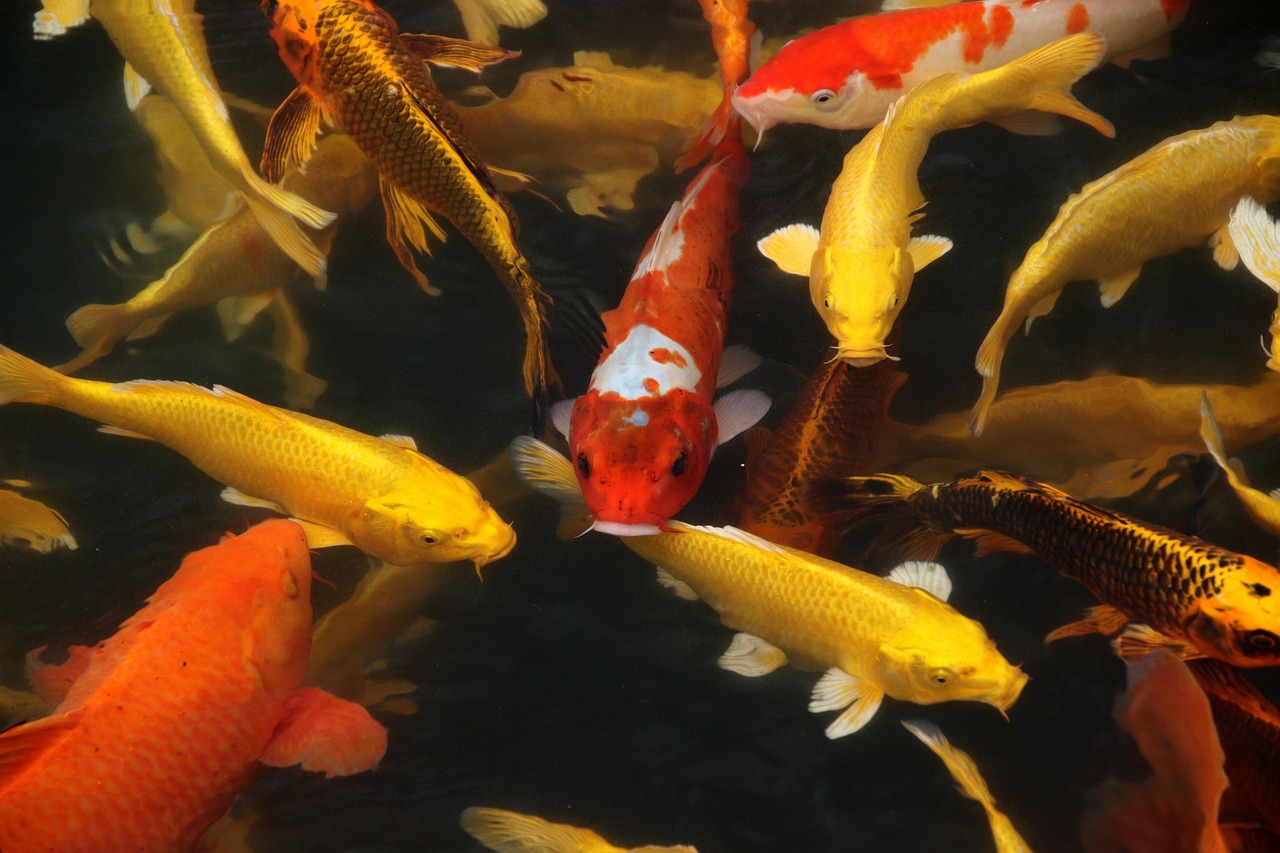
Koi keeping in Singapore presents a unique set of challenges and rewards. Our year-round tropical climate means koi metabolisms never slow down — unlike their counterparts in Japan or temperate countries where cold winters provide a natural rest period. This affects everything from filtration capacity to feeding schedules to disease management. With the right setup and knowledge, however, koi thrive beautifully in Singapore and can live for decades.
Popular Koi Varieties
Koi (Nishikigoi) have been selectively bred in Japan for centuries, producing dozens of recognised varieties. Here are the most popular and widely available in Singapore:
- Kohaku: White body with red (hi) patterns. The most classic and prized variety. A beautiful Kohaku is considered the pinnacle of koi keeping.
- Taisho Sanke (Sanke): White body with red and black markings. The black (sumi) adds depth to the pattern.
- Showa Sanshoku (Showa): Black body with red and white patterns. More dramatic and bold than Sanke.
- Ogon: Single metallic colour — gold (Yamabuki Ogon) or platinum. Stunning in outdoor ponds where they catch sunlight.
- Butterfly koi: Long, flowing fins. Not recognised in traditional Japanese shows but immensely popular among hobbyists for their elegance.
- Chagoi: Brown/olive colour. Perhaps the friendliest variety — Chagoi are often the first to eat from your hand and encourage other koi to approach.
- Asagi: Blue-grey net pattern on the back with red on the belly and fins. Elegant and understated.
Kohaku, Sanke, and Showa together form the “Big Three” (Gosanke) and are the most celebrated varieties. For beginners, a Chagoi is often recommended as a “starter koi” — its friendly personality helps settle the entire pond.
Pond Requirements for Singapore
Koi are large fish — adults typically reach 50-80 cm and some exceed 90 cm. They need substantial space to thrive.
Minimum Pond Size
- Absolute minimum: 3,000 litres (approximately 1.5m x 1m x 0.8m deep) for 3-5 small koi
- Recommended: 5,000-10,000 litres for a small collection
- Ideal: 15,000+ litres for serious koi keeping
Bigger is always better with koi ponds. Larger water volumes are more stable in terms of temperature, water chemistry, and dilution of waste.
Depth
A minimum depth of 1 metre is recommended in Singapore, with 1.2-1.5 metres being ideal. Deeper water stays cooler at the bottom during the heat of the day, giving koi a thermal refuge. In landed properties with garden ponds, consider a deep zone of at least 1.2 metres alongside shallower viewing areas.
Shade
Singapore’s intense tropical sun heats pond water rapidly and promotes algae growth. Provide shade over at least 50-70% of the pond surface using:
- Purpose-built shade structures or pergolas
- Floating plants (water hyacinth, water lettuce) — though koi may eat these
- Strategically positioned trees (avoid species that drop excessive leaves into the pond)
- Shade cloth or sails
Filtration in a Warm Climate
This is where tropical koi keeping diverges significantly from temperate climate advice. In Singapore’s constant warmth of 28-32°C, koi metabolisms run at full speed year-round. They eat more, produce more waste, and the warm water holds less dissolved oxygen. Your filtration system must be substantially more robust than what temperate guides suggest.
Multi-Stage Filtration
- Mechanical filtration: Settle chambers, brush filters, or vortex chambers to remove solid waste. This is the first stage and must be cleaned regularly — weekly in Singapore’s warm conditions.
- Biological filtration: Japanese filter matting, K1 moving bed media, or sintered glass media. This is where beneficial bacteria convert ammonia to nitrite to nitrate. Size your biological chamber for at least 10-15% of your total pond volume.
- Additional stages: UV clarifiers to control green water, activated carbon for water clarity, and aeration to boost dissolved oxygen.
Pump and Flow Rate
Turn over the entire pond volume at least once every 1-2 hours through the filtration system. For a 10,000-litre pond, you need a pump delivering at least 5,000-10,000 litres per hour. Energy-efficient pond pumps from brands like Oase, Laguna, and Jebao are widely available in Singapore.
Aeration
Supplement your filtration with dedicated aeration — air pumps and diffusers or venturi returns. Warm water holds less dissolved oxygen than cold water, and koi in tropical ponds are more susceptible to oxygen stress, particularly on hot afternoons and at night when plants consume oxygen rather than produce it.
Feeding Guide
In temperate climates, koi feeding follows a strict seasonal schedule. In Singapore, there is no winter, so the approach is different.
Daily Feeding
Feed 2-3 times daily, offering only what koi can consume within 5 minutes. Remove uneaten food promptly — it decomposes rapidly in warm water and degrades water quality.
Food Types
- Staple pellets: High-quality floating pellets from Hikari, JPD, Kenzen, or Saki-Hikari. Choose a pellet size appropriate for your koi — small for fish under 20 cm, medium for 20-40 cm, large for bigger koi.
- Colour-enhancing food: Contains spirulina, astaxanthin, or carotenoids to intensify red (hi) patterns. Feed as 20-30% of the diet. Overuse can cause white areas to yellow.
- Growth food: Higher protein formulation for young koi you want to grow quickly. Use judiciously — rapid growth in warm water already stresses filtration.
- Treats: Oranges, watermelon, prawns, and lettuce are enjoyed occasionally. Cut into bite-sized pieces.
Avoid Overfeeding in Heat
When pond temperatures exceed 32°C during heatwaves, reduce feeding by 30-50%. Koi metabolism increases with temperature, but their digestive efficiency decreases above 30°C. Overfeeding in extreme heat can cause bloating and water quality crashes.
Water Parameters
| Parameter | Target Range | Notes |
|---|---|---|
| Temperature | 24-30°C | SG ponds typically 28-32°C. Shade and depth help. |
| pH | 7.0-8.5 | SG tap water (pH 7-8) is suitable. Stability matters more than exact number. |
| Ammonia | 0 ppm | Any detectable ammonia indicates filtration issues. |
| Nitrite | 0 ppm | Toxic at any measurable level. |
| Nitrate | Below 40 ppm | Manage with water changes and plants. |
| Dissolved oxygen | Above 6 mg/L | Critical in warm water. Aerate aggressively. |
When performing water changes with Singapore tap water, always dechlorinate. PUB uses chloramine, which is more persistent than chlorine and not removed by simply ageing water overnight. Use a dechlorinator that specifically neutralises chloramine (Seachem Prime, API Tap Water Conditioner).
Common Diseases in Tropical Ponds
Warm water accelerates pathogen life cycles, making disease management more challenging in Singapore compared to temperate regions.
Ulcer Disease (Aeromonas/Pseudomonas)
Bacterial ulcers are the most common koi health issue in tropical ponds. Red, open sores appear on the body, often triggered by stress, poor water quality, or physical injury. Treat early with topical antiseptic (potassium permanganate or iodine) and improve water quality. Severe cases require antibiotic treatment under veterinary guidance.
Parasites
Warm water is paradise for parasites. Common culprits include:
- Ich (white spot): Life cycle is accelerated in warm water — completes in 3-4 days rather than weeks. Treat with salt or formalin.
- Costia (Ichthyobodo): Causes a grey, slimy film on the skin. Thrives in warm, polluted water.
- Anchor worm and fish lice: Visible parasites that attach to the body. Remove manually and treat the pond with appropriate medication.
- Flukes (Dactylogyrus, Gyrodactylus): Microscopic parasites on gills and skin. Flashing, rubbing, and heavy breathing are symptoms. Treat with praziquantel.
Koi Herpesvirus (KHV)
A devastating viral disease with no cure. Symptoms include gill necrosis, lethargy, and sunken eyes. Mortality rates exceed 80%. KHV is most active at 18-28°C. In Singapore’s warmer water, outbreaks are less common but can occur during cooler periods. Quarantine and purchasing from reputable sources are the only preventions.
Predator Protection
Singapore’s urban wildlife poses real threats to pond koi:
- Herons: Grey herons and other wading birds are present in Singapore and will visit garden ponds. Use netting, motion-activated sprinklers, or fishing line strung across the pond surface.
- Cats: Stray and feral cats are common throughout Singapore and will fish from shallow pond edges. Ensure pond edges are steep or protected.
- Monitor lizards: Malayan water monitors are widespread in Singapore, particularly near parks and water bodies. They are strong swimmers and can take koi. Heavy-duty pond netting and secure perimeters are necessary in affected areas.
- Otters: Smooth-coated otters have expanded throughout Singapore’s waterways and have been known to raid residential koi ponds. Physical barriers (mesh, fencing) are the only reliable deterrent.
Pond depth helps — a pond deeper than 1 metre gives koi space to retreat from wading predators. Overhanging ledges and pipe shelters also provide hiding spots.
Quarantine for New Koi
Never add new koi directly to your pond. Quarantine every new fish for a minimum of 2-4 weeks in a separate holding tank. During quarantine:
- Observe for signs of disease — parasites, ulcers, abnormal behaviour
- Perform a prophylactic salt treatment (0.3-0.5% salinity) to address external parasites
- Consider a praziquantel treatment for flukes
- Ensure the new koi is eating well before introduction
A quarantine tank does not need to be elaborate — a 200-500 litre container with a sponge filter, air pump, and shade cover is sufficient. This simple precaution has saved countless established ponds from devastating disease introductions.
Costs of Keeping Koi in Singapore
| Item | Estimated Cost (SGD) |
|---|---|
| Pond construction (5,000-10,000L) | $5,000 – $25,000 |
| Filtration system | $1,000 – $5,000 |
| Pumps and aeration | $300 – $1,500 |
| Koi (per fish, depending on quality) | $20 – $5,000+ |
| Monthly food | $30 – $100 |
| Monthly electricity (pumps, filter) | $30 – $80 |
| Water treatment and testing supplies | $20 – $50/month |
Koi themselves range from $20 for small, locally bred specimens to thousands of dollars for imported Japanese koi from renowned breeders. Start with affordable, healthy fish and upgrade as you gain experience with your pond system.
Frequently Asked Questions
Can I keep koi in an aquarium instead of a pond?
Technically yes, but it is not recommended long term. Koi grow large and produce substantial waste. Even a 500-litre aquarium is cramped for adult koi. They are outdoor pond fish by nature. If you want koi-like fish for an indoor tank, consider goldfish varieties (ranchu, oranda) which are more suitable for aquarium life.
How many koi can I keep in my pond?
A common guideline is 1,000 litres per adult koi, though this depends heavily on filtration capacity. In Singapore’s warm water, where filtration demands are higher, be conservative. A 5,000-litre pond with robust filtration can comfortably support 4-5 adult koi.
Do koi need a shade structure in Singapore?
Yes. Direct tropical sun heats the water, promotes algae blooms, and can cause sunburn on light-coloured koi. Shade 50-70% of the pond surface. This also helps maintain deeper, cooler water temperatures. Gensou’s pond design service incorporates shade planning as a standard feature.
How often should I change the water in my koi pond?
Perform 10-20% water changes weekly. In Singapore, where koi metabolisms run constantly and waste production is high, regular water changes are essential even with excellent filtration. Always dechlorinate replacement water.
Planning a koi pond for your home in Singapore? Gensou has over 20 years of experience designing and building koi ponds suited to Singapore’s tropical climate. From compact courtyard ponds in landed homes to larger garden installations, we handle pond design and pondscaping from concept to completion. Contact us to discuss your koi pond project.
Related Reading



