
Comet Goldfish Care Guide: Fast and Hardy for Outdoor Ponds
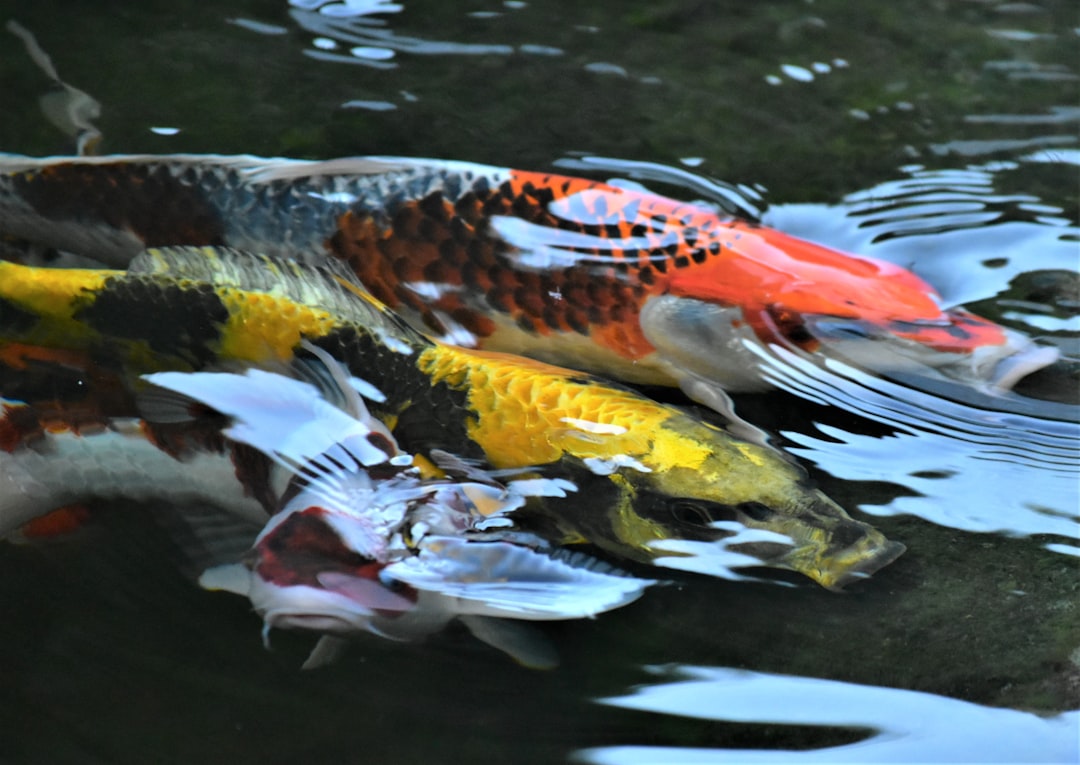
The comet goldfish is the workhorse of the pond world—fast, resilient and spectacularly easy to keep. This comet goldfish pond care guide from Gensou Aquascaping Singapore helps you set up and maintain a thriving outdoor habitat for these energetic fish. With over 20 years of hands-on experience, we consider comets one of the best starter pond fish for Singapore’s tropical conditions.
About Comet Goldfish
Developed in the United States during the 1880s, the comet goldfish (Carassius auratus) is distinguished by its deeply forked, elongated tail fin and streamlined body. Comets come in red, orange, yellow, white and sarasa (red-and-white) colour forms. They grow to 25–35 cm in a well-maintained pond and can live 15 years or more. Their speed and agility make them far more engaging to watch than the slower fancy varieties.
Pond Requirements
Comets are active swimmers that appreciate length over depth. A pond of 500–1,000 litres comfortably houses four to six fish, while larger groups need 1,500 litres or more. Depth of 60–90 cm is adequate in Singapore, where freezing is never a concern. Above-ground tubs on HDB ground-floor patios, half-barrel planters and in-ground lined ponds in landed estates all work. Ensure some shade to keep water below 31 °C during the hottest months.
Water Conditions
Singapore’s PUB tap water is soft (GH 2–4) and treated with chloramine, so always dechloraminate before adding it to the pond. Buffer pH to 7.0–7.4 using crushed coral in the filter. Comets tolerate a wide temperature range, but in our consistently warm climate (27–31 °C), their metabolism runs high, producing more waste. Robust filtration and 10–15 % weekly water changes keep ammonia and nitrite at zero.
Filtration for Goldfish Ponds
Even a modest goldfish pond needs proper filtration. A combination of mechanical pre-filter (sponge or brush), biological media (ceramic rings or matting) and optional UV clarifier handles most setups under 2,000 litres. Budget around $150–$400 depending on pond size. Clean mechanical media monthly and never rinse biological media in chlorinated tap water.
Feeding
Comets are omnivores with hearty appetites. Feed a staple goldfish pellet two to three times a day, supplementing with blanched vegetables, duckweed or live foods like bloodworms and brine shrimp. In Singapore’s warm water, digestion is efficient, so feed only what the fish finish in two to three minutes per session. Overfeeding is the most common cause of water quality problems in small ponds.
Breeding Comets Outdoors
Comets breed readily in Singapore ponds once they reach about 10 cm. Males develop white breeding tubercles on the gill plates and chase females vigorously. Eggs are scattered across submerged plants, spawning mops or root systems and hatch in three to five days at 28 °C. If you want to raise fry, move the eggs to a separate container with gentle aeration—adult comets will eat their own eggs and hatchlings.
Health and Disease Prevention
Comet goldfish are among the hardiest pond fish available, but they are not immune to disease. White spot (Ichthyophthirius), fin rot and anchor worm are the most common issues in tropical conditions. Quarantine new fish for two weeks, maintain excellent water quality, and avoid overcrowding. A salt bath at 3 g/L for 10–15 minutes treats mild external parasites safely.
Related Reading
Shubunkin Goldfish Care Guide: Calico Colour for Ponds
How to Build a Garden Pond in Singapore
Best Pond Plants for Singapore: Tropical Species That Thrive Outdoors



