Best Soft Corals for Beginners Ranked: Easiest to Hardest
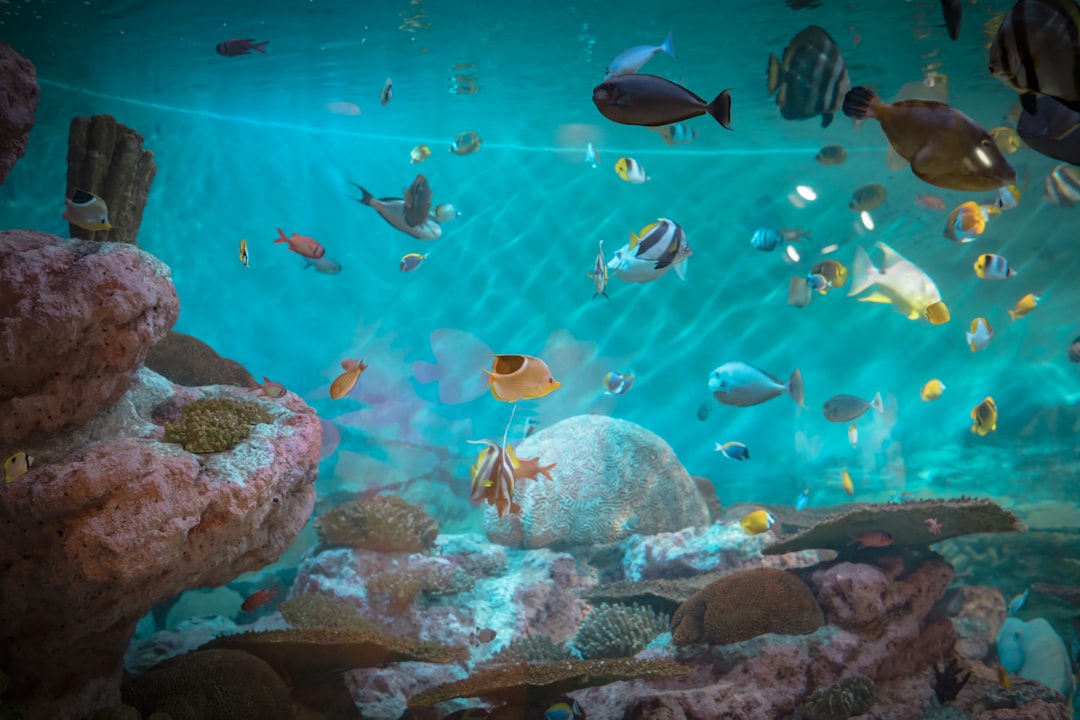
Soft corals are the logical first step for anyone entering the reef-keeping hobby. This best soft corals beginners ranked guide orders the most popular species from near-indestructible to moderately demanding so you know exactly where to start. Gensou Aquascaping Singapore has introduced hundreds of new reefers to their first corals, and soft corals consistently deliver the highest success rate for tanks that are still maturing. This guide sits inside our broader Saltwater Reef Tank Master Guide reference.
1. Green Star Polyps (GSP)
If you can keep a marine tank running, you can grow green star polyps. Pachyclavularia spreads across rock and glass with a vivid purple mat and bright green polyps that sway in the current. GSP tolerates wide swings in lighting and flow, making it nearly bulletproof. The only caution is placement — mount it on an isolated rock or the back glass to prevent it from overrunning your entire aquascape. Frags start at $8 to $15 SGD at most Singapore marine shops.
2. Pulsing Xenia
Xenia elongata rhythmically pulses its polyps, creating hypnotic movement that draws attention in any tank. It thrives under moderate light and moderate flow, grows aggressively, and requires minimal feeding. Like GSP, xenia can become invasive if left unchecked. Pruning every few weeks keeps it contained, and the harvested frags make excellent trades with fellow hobbyists on Carousell. Small colonies typically cost $10 to $20 SGD.
3. Mushroom Corals (Discosoma)
Discosoma mushrooms come in a dazzling array of colours — blue, red, green, spotted, and striped varieties are all readily available in Singapore. They prefer low to moderate light and gentle flow, making them ideal for shaded areas of your rockwork. Mushrooms reproduce by pedal laceration, slowly spreading across surfaces. They rarely bother neighbours and accept a wide range of water parameters. Basic colour morphs start around $5 SGD per polyp, while rare bounce and jawbreaker varieties can command $50 to $200 SGD.
4. Kenya Tree Coral
Capnella species, commonly called Kenya tree corals, grow as branching soft corals that shed fragments to propagate. A single colony can populate an entire section of your tank within months. Kenya trees tolerate moderate lighting and are not fussy about placement. They occasionally deflate for a day or two, which alarms new keepers, but this is normal shedding behaviour. Expect to pay $10 to $18 SGD for a small branch.
5. Toadstool Leather Coral
Sarcophyton leathers are impressive centrepiece corals that can grow to 30 cm or more in mature tanks. They periodically shed a waxy mucus coat to clear algae and debris — a process that may last several days during which the polyps retract completely. This is normal and not a sign of decline. Toadstools prefer moderate to high light and moderate flow. They release terpenes that can irritate nearby SPS corals, so give them space or run activated carbon. Frags are $15 to $30 SGD in Singapore.
6. Zoanthids and Palythoa
Zoanthids offer perhaps the widest colour palette of any coral group, with morph names like Fruit Loops, Utter Chaos, and Sunny D commanding collector-level prices. Standard zoanthid colonies cost $8 to $25 SGD, while designer morphs can exceed $100 SGD per polyp. They require moderate light and flow and are generally easy to keep, though they sit slightly higher on this ranking because they contain palytoxin — a potent toxin released if the tissue is damaged. Always handle zoanthids with gloves and never frag them near your face.
7. Clove Polyps and Anthelia
Clavularia clove polyps and Anthelia are attractive, feathery soft corals that fill gaps in rockwork beautifully. They grow readily under moderate light but can be sensitive to parameter swings, particularly alkalinity drops. They rank near the harder end of the soft coral spectrum not because they are difficult to keep but because they occasionally melt without obvious cause. Frags are affordable at $8 to $15 SGD.
General Care Tips for Soft Corals
Maintain salinity at 1.025, temperature between 25 and 26°C, and alkalinity around 8 to 9 dKH. Soft corals are more tolerant of elevated nitrates than SPS corals — levels up to 20 ppm are generally fine and can even promote growth. Target feeding is usually unnecessary, as most soft corals derive nutrition from photosynthesis and dissolved organics. Running activated carbon helps manage the chemical warfare that soft corals wage through terpene and toxin release, especially in smaller tanks common in Singapore HDB flats.
Related Reading
First Corals for Beginners Reef Tank
Zoanthid Coral Care Guide for Beginners
Mushroom Coral Discosoma Care Guide