
Betta Line Breeding Colour Project: Tracking Generations
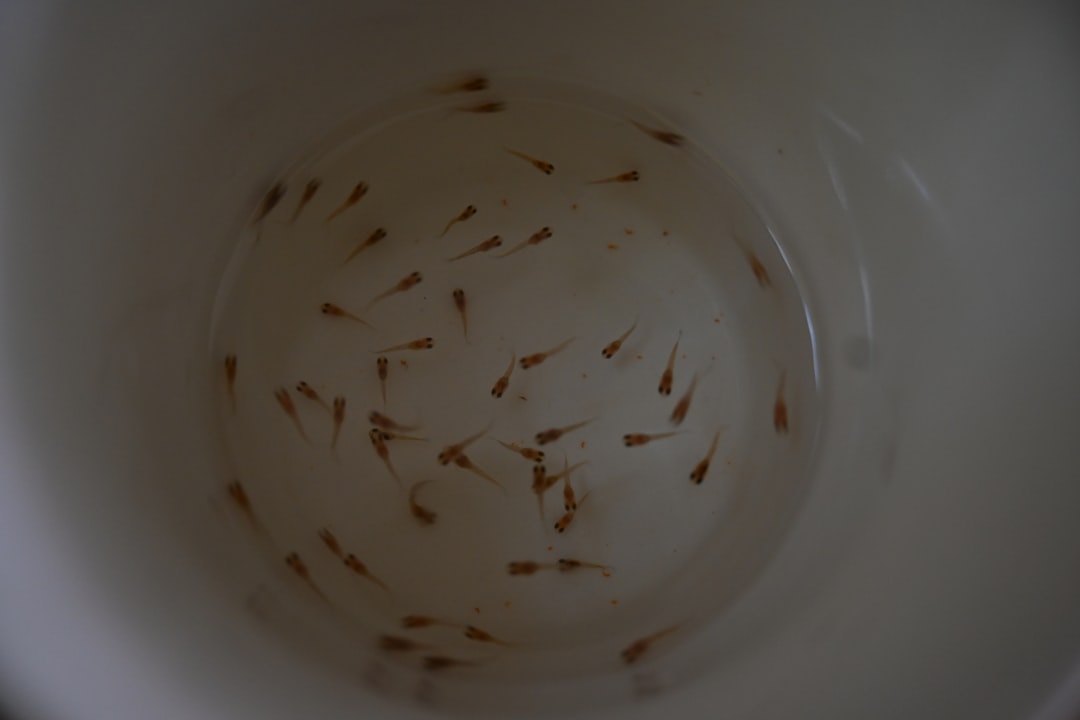
Fixing a colour strain in bettas is a five-year commitment most hobbyists underestimate on day one. A serious betta line breeding colour project requires pedigree records, separation space for hundreds of fry, and the willingness to cull — culling here meaning rehoming or separating off-type offspring, though some breeders do euthanise deformed fry. This honest guide from Gensou Aquascaping at 5 Everton Park walks through what the generations look like and what each requires of your time and space.
Quick Facts
- Fixing a new colour strain takes 5 to 8 generations, roughly 2 to 4 years
- Each spawn produces 100 to 400 fry requiring individual jars by month 3
- A colour project realistically needs 50+ individual containers or barracks
- Record every pairing: parents, date, fry count, phenotype percentages
- Inbreeding depression appears by F3-F4 without an outcross — plan one in
- Koi, galaxy, and nemo patterns are marbled genes — inherently unstable
- Show-grade fish from fixed lines sell for $30 to $200 each in Singapore
Choose the Trait Honestly
Some traits fix faster than others. Simple recessive colours like pastel or solid red take 3 to 4 generations if parents are homozygous from the start. Marble-based patterns — koi, galaxy, nemo, candy — never fully fix because the marble gene is a transposon that rearranges each generation. You can select for tendencies but individual offspring will continue to express unpredictably. Plakat body and shortfin traits fix in 2 to 3 generations because they are relatively simple genetic structures.
Decide whether you want a project that will produce consistent show fish (pick solid colours or fixed patterns) or a creative project where variation is the point (pick marbles and accept it).
Starting Pair Selection
Source from known lines where possible. A $30 fish of documented lineage beats a $8 pet shop fish with unknown parents. Ask breeders on Carousell or in the Singapore Betta Club group for P1 pairs — P1 meaning parental, the founders of your line. Ideally both fish show the target trait strongly and come from related breedings, which increases homozygosity. Pair photos from both sides of the family help predict offspring.
Document everything: fish origin, breeder, scale pattern, fin ratios, colour at different angles, and any behavioural notes. You will refer back to this for years.
F1 Spawn: The Baseline
The first spawn reveals the genetic cards your P1 pair holds. Out of 200 fry reaching 8 weeks, you might see 40 percent express the target colour strongly, 40 percent express moderately, and 20 percent not at all. Record those percentages — they predict which pairings in F2 will improve or regress. Raise at least 30 from the target-expressing group to reproductive age at 4 months.
Rearing all 200 is impractical. A 60-litre grow-out tank handles fry to 6 weeks; by 8 weeks males need separation to prevent fighting damage. Budget 50 to 100 individual 500 ml jars or a barracks system for the serious keepers.
F2 and the Power of Sibling Crosses
Breeding the best F1 pair — siblings — concentrates the desired genes. This is the core of line breeding. Expect 60 to 70 percent of F2 fry to express the trait if F1 was half expressing. Record again. The goal is for expression percentages to climb each generation until near 100 percent of fry look like the target.
Inbreeding depression — reduced fertility, smaller fry, immune weakness — starts to appear in F3 to F4. Health scores matter as much as colour scores. A beautiful strain with 50 percent fry mortality is not a sustainable project.
Planning the Outcross
Around F3 or F4, cross one of your best females with an unrelated male carrying similar traits. This injects genetic diversity back into the line without losing the target colour. Offspring of the outcross may look less refined than the inbred line but will have better vigour. Cross the best of the outcross F1 back to your main line to reintegrate.
This takes an extra 8 to 12 months but prevents the strain from collapsing by generation six. Most serious breeders plan an outcross into the project timeline from day one.
Space and Time Reality
A full line breeding project in a Singapore HDB flat requires a dedicated fish room or large balcony setup. Minimum viable space: 1 x 60-litre spawning tank, 1 x 60-litre grow-out, and 40 to 60 individual 500 ml containers, all kept at 26 to 28°C. Maintenance runs 4 to 6 hours weekly for water changes and feeding. Food costs scale quickly — baby brine shrimp hatchery eggs at $15 per tin last two to three spawns if you feed 200 fry daily for four weeks.
A realistic 5-generation timeline, including outcross: 30 to 42 months. Longer if you have pauses between spawns for space or sanity reasons.
Record-Keeping Systems
A simple spreadsheet per generation: pair ID, spawn date, egg count estimate, fry count at 2 weeks, fry count at 8 weeks, phenotype percentages at 12 weeks, best individual IDs. Photograph every breeder at standard lighting and angle. Assign each retained fish an ID tag — B24-F2-05 means bloodline 24, second generation, individual five.
Apps like BettaPedigree exist but a Google Sheet works just as well. The point is consistency, not sophistication.
When to Sell and When to Hold
Pet-quality fry from early generations sell locally at $5 to $15 each and help fund the project. Show-quality specimens from fixed F4+ pairs command $30 to $200 depending on trait rarity. Hold your best breeders for the next generation — never sell your best female, ever. Sell the second-best to raise funds. Trade breeding pairs with other serious breeders to broaden your options without starting new lines from scratch.
The Honest Summary
Line breeding bettas is demanding. Most hobbyists who start a colour project abandon it by F2 due to space, time, or fry losses. Those who persist produce fish that rival imported Thai lines within 3 to 4 years. Start small, record obsessively, and plan the outcross early. The satisfaction of seeing a trait fix across a generation is substantial, but so is the work.
Related Reading
Betta Breeding Complete Guide Step by Step
Betta Fish Colours and Patterns Guide
Angelfish Colour Genetics Breeding Guide
Aquarium Fish Colour Genetics Guide
Beginner Breeding Tank Setup Guide



