
Black Ghost Knifefish Care Guide: Apteronotus Albifrons
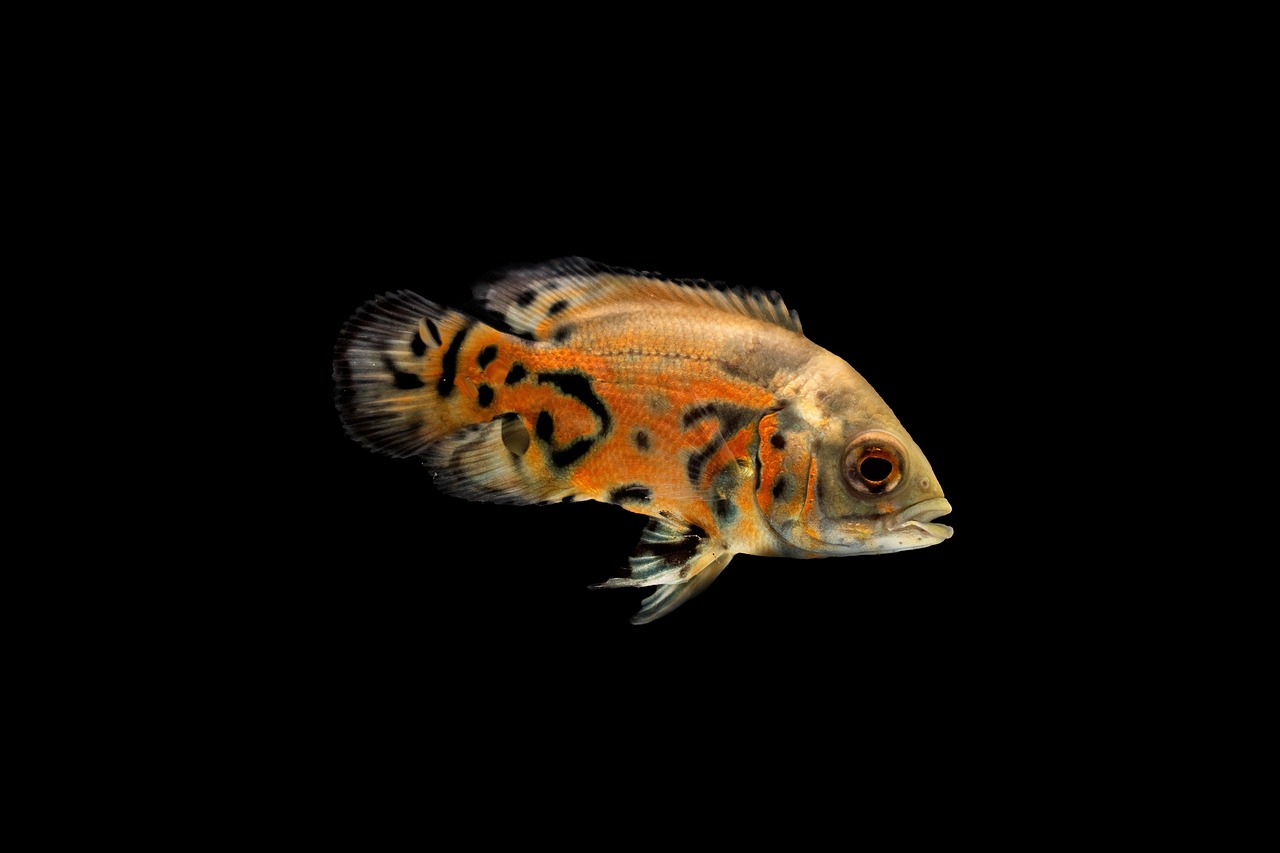
Few oddball fish match the hypnotic glide of a mature Apteronotus albifrons patrolling a dimly lit tank at dusk. This black ghost knifefish care guide from Gensou Aquascaping at 5 Everton Park draws on two decades of keeping South American predators in Singapore’s warm, soft tap water. Expect frank advice on tank size, diet and the electroreceptive quirks that make ghosts unlike any other fish you have owned. Done well, these animals settle into semi-tame giants that feed from your fingers. This guide sits inside our broader Tropical Fish Species Master Index reference.
Origins and Natural Behaviour
Ghost knives hail from blackwater tributaries of the Amazon and Orinoco, where tannin-stained flow and dense submerged root systems shape their entire biology. They are weakly electric, generating a constant low-voltage field from a modified tail organ to navigate and hunt in near-total darkness. Day-active hobbyists often misread their shy mid-tank hovering as poor health; it is simply a nocturnal fish tolerating your photoperiod.
Adult specimens reach 45-50 cm in captivity, occasionally more. Plan for the adult size from day one rather than rehoming a stressed 30 cm juvenile later.
Tank Size and Layout
A single ghost needs a 450-litre tank at absolute minimum, 600 litres preferred, with a footprint of at least 150 cm by 60 cm. Height matters less than swim length; these are horizontal patrollers. Provide multiple large-bore hides — 50 mm PVC elbows, hollow driftwood, a cave cluster — because juveniles that cannot find cover stress rapidly and refuse food.
Dim the lighting or layer floating plants to break surface glare. Our aquascape low light no co2 guide covers planting approaches that suit nocturnal species without forcing high-maintenance scapes.
Water Parameters
Target 25-28°C, pH 6.0-7.2, GH 2-8 and zero ammonia or nitrite. Singapore tap water sits around GH 2-4 and pH 7 once degassed, which is effectively ideal after dechlorination. Keep nitrate below 20 ppm; ghosts are scaleless and suffer chronic HITH-style lesions in nutrient-heavy tanks. Weekly 25-30% changes are non-negotiable at adult size.
Filtration and Flow
Oversize filtration by a factor of two. A Fluval FX6 or twin Eheim Classic 2217s on a 600-litre ghost tank is sensible, not excessive, because predator tanks run high bio-loads. Keep flow moderate — strong laminar current across the whole tank exhausts knifefish that prefer to glide. A spray bar aimed at the rear glass, with calm frontal zones behind driftwood, recreates the eddies of their native habitat.
Diet and Feeding
Ghosts are obligate carnivores that strongly prefer moving prey at first. Start juveniles on live blackworms, frozen bloodworms and chopped prawn, then transition to sinking carnivore pellets such as Hikari Massivore or NLS Thera+A once confident. Avoid goldfish and rosy reds — thiaminase-laden feeders shorten lifespan and transmit parasites. An adult eats once daily; skip one day per week to keep body condition trim.
Hand-feeding is achievable within six months. Drop a piece of prawn at the same spot each night and they learn to surface at your shadow.
Tank Mates
Choose medium, peaceful community fish that will not harass the ghost or become dinner. Silver dollars, Severums, medium Geophagus, larger peaceful catfish and clown loaches work. Avoid fin-nippers, aggressive cichlids, and anything smaller than 6 cm. Two ghosts in one tank rarely ends well unless the tank exceeds 1,000 litres and hides are plentiful — dominance fights in the electric field are invisible but real.
Health and Disease
Scaleless bodies mean ghost knives react badly to copper, formalin and many malachite green formulations. Dose ich and parasite treatments at half strength and raise temperature carefully to 30°C rather than medicating at full concentration. Our aquarium ich heat treatment only guide covers the low-risk approach most ghost keepers rely on.
Quarantine new tank mates for four weeks — parasites introduced to a ghost-keeping system cost far more to fix than the preventive tank.
Substrate and Decor
Fine sand is preferred. Gravel scrapes the ventral body line as ghosts slither sideways through hides. Avoid sharp seiryu edges in contact zones and favour rounded river stones, thick mopani wood and ceramic caves. Plants must be robust or attached — Anubias on wood, Java fern on slate, Bolbitis on driftwood branches. Delicate stem plants get flattened within a fortnight.
Electroreception Quirks
Ghosts detect each other’s electric pulses and will react to stray mains voltage from failing heaters or cracked pump insulation. If your ghost hovers erratically or refuses to leave a single corner for days, check every electrical component with a multimeter before assuming disease. A grounding probe costs around $15 SGD locally and is cheap insurance.
Longevity and Singapore Sourcing
Well-kept ghosts live 10-15 years. Local stock from Serangoon North Avenue 1 shops arrives at 10-15 cm for $40-80 SGD; larger F1 specimens from reputable breeders sit in the $150-300 SGD bracket. Pair with our aquarium fish quarantine protocol complete workflow before introduction so the ghost never meets wild-caught parasites in your display.
Related Reading
- Bichir Polypterus Care Guide
- Arowana Care Guide Singapore
- Aquascape for Freshwater Stingray Tank
- Aquarium Fish Quarantine Protocol Complete
- Aquarium Ich Heat Treatment Only Guide
If you keep a black ghost knifefish, avoid small shrimp as tank mates, but they still make a fascinating species on their own, as our ghost shrimp care guide explains.



